...
Sleep quality is important at Shape Up Fitness & Wellness Consulting

How your I-pad Messes with Your Weight Loss

A recent study surveyed the effects of i-pads on sleep. The last time I mentioned the problem of light pollution was in my blog about sleep not too long ago. The study I am mentioning today had participants read for 4 hours prior to going to bed. Half of the participants were using an i-pad, the other half were reading regular books.

The participants reading on the i-pad found that they were less sleepy than our book-readers in the evening and it took them about 60% longer to fall asleep (25 min versus 15 min).

In addition their body’s melatonin production was suppressed and their body reacted as if the day was actually 1 1/2 hours longer than it really was. This melatonin suppression is considered carcinogenic.

What happened in the morning?

In the morning the book-readers were more alert and active than the i-pad readers. They felt like they had rested more and were more alert during the day.

The Takeaway

Suppressed melatonin production is associated with higher risks of cancer. Back-lit tablets decrease sleep quality and hinder you from waking up more refreshed in the morning. This is also true with people who think they sleep well. Please bear in mind that phones, TVs, and computers are strong emitters of blue light as well, the culprit of the problem.

What you can do:

If you cannot stay away from using the computer in the evening or late at night, you might want to start using glasses that filter out the blue light spectrum (around 10$). They are certainly not fashionable but they make a difference and allow the production of melatonin to continue. If on the other hand you don’t want to look goofy, you either have to quit looking at the screen or dim the screen as much as possible while still being able to read, and, hope for the best. A third option is to install a program called f. lux. It adjusts your computer or phone screen automatically to the time of day and gives it a slight reddish hue.

What about my weight?

If we do not get enough sleep and/or our sleep quality is low our body has a tendency to hold on to our weight. Considering that most of us don’t get enough sleep to begin with, the quality of the sleep that we are getting is even more important.

It has been shown that devices like TVs, tablets, phones, backlit e-readers have a negative impact on our sleep. I understand that we seem to be unable to function without them. We catch our favorite show after a stressful day, or wind down reading articles, surfing the internet. That does not release us of our responsibility to take care of ourselves. Simply grabbing a paperback book, adjusting our computer lights, eliminating our light pollution in our bedrooms and using blue light filtering glasses can do a lot to improve our sleep patterns.

If you need more help with your training and fitness regimen,

please check out our specials at Shape Up Fitness & Wellness Consulting to get started.

Michael


Fitness Trackers and their efficiency at Shape Up Fitness & Wellness Consulting, leader in personal training in Charlotte

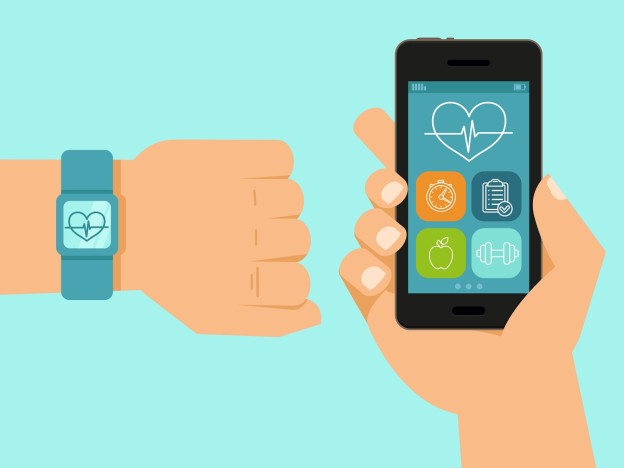
Do Fitness Apps/Gadgets Work for You?

  • Fitness Apps are often too simplistic by using calories in and out models
  • Fitness apps might lead to “permitting yourself to eat crappy”
  • “Have to” does not work in the long run
  • Accuracy of equipment is often shaky

Calories in versus Calories out

A lot of fitness applications, may they be regular apps, fitness bands, etc follow one fundamentally flawed principal: calories in versus calories out. Hormones & medications can have strong influences on weight gain or weight loss. Hormone levels, quality of foods, food combinations, all those things play a major role in how our body gains, maintains or loses weight. The old adage of simply reducing calories does not work for everyone.

Sir, permission to eat crappy, sir!

Fitness apps not only oversimplify weight loss but they often overestimate the energy being used to do a certain activity by neglecting to subtract the regular daily burn from your “exercise calories” . What does this mean? Well, apps often calculate your average burn and then “award you” additional calories for working out. What this does not take into account is that the average burn calculated included the time that you were exercising. Ergo, you would have to subtract this from the additional amount. You see where this is getting complicated. In addition calories from your food intake can vary by up to 25 depending on accuracy of measurement, food combinations, etc.

There is an additional psychological effect. Just the thought of exercising, training, etc, gives our brain the permission to eat more, reward ourselves for efforts, even if they have not been done yet.

You have to! (I think not!!!)

How do you feel when someone or something tells you that you have to do something? We often rebel unconsciously against any form of musts and quit after a certain amount of time. Slower changes over the course of time leading to wholesome, nutrient rich, and sustainable food intake are more effective in the long run.

Accurate? Not so much!

The accuracy of the equipment is often questionable like some reviews have shown. Enough said.

Conclusion

We use one fitness app in our studio. Myfitnesspal. But we use in a different way. We mostly disregard caloric intake. We focus instead on food quality, portions, etc. based on their goals and body type. The key is to keep things easy and doable. This will change the more sophisticated your goals become.

Clients who have more experience in nutrition and are looking to work on high end performance, really low body fat goals (below 10% BF) etc will have to structure their food intake a little bit more accurately and calories, grams of carbohydrates, proteins and fats will come into play. Still at this point calorie in vs calorie out does not represent everyone the same way. It needs to be customized, adjusted over time and constantly monitored.

Our clients are successful. You don’t have to become a food-nazi to be healthy, you don’t have to have a fitbit, etc.  but you need to follow the 80/20 rule. 80 % of the time you need to follow your plan. If you deviate off of it 20% of the time, then you will have good results and be healthy. You won’t be a fitness model which does not necessarily represent healthy lifestyle and eating habits either since it is on the other extreme of the spectrum.

To create permanent change you need to go from ‘have to’ to ‘want to’. This will not happen with an extreme competitor’s diet, calorie counting, etc. It will only work with guiding someone’s mindset to a healthy lifestyle that does not obsess over food and exercise.

Sometimes using less gadgets, less rules lead to more compliance because we don’t use apps and gadgets to give us permission to eat badly. Many people have (ab-)used fitness to purge after a bad meal. Whereas doing this once or twice is not a problem it can become a habit and lead to disordered eating.

Check out our 21-Day Fat Furnace to get help accomplish your goals!

Have an awesome day,

Michael


Nutrition that makes sense at Shape Up Fitness & Wellness Consulting

Long-term effects of a high carbohydrate diet on your health & performance

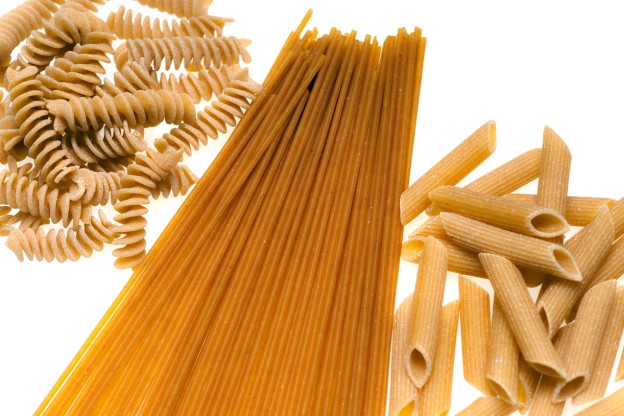
  • A High carb  diet (> 70% of intake) can lead to insulin resistance
  • A high carb diet can lead to additional fat gain
  • A high carb diet can increase performance in endurance athletes
  • A high carb diet will lead to increased water retention and could lead to loss of performance
  • Say goodbye to your teeth
  • You are more hungry
  • A high carb diet should be an intervention for performance reasons and not be maintained throughout the year.

Let’s take it apart:

High carb diets (> 70% carbohydrate intake)  followed for a prolonged period of time lead to higher body fat percentages and chronically elevated insulin levels. Choosing to follow such a diet should be restricted to very specific people with specific goals.

Insulin Resistance

Insulin is responsible for transporting blood glucose to muscle cells and fat cells. If we have chronically elevated glucose levels our muscle cells can become more insulin resistant. In return our body produces even more insulin which can lead to a burnout of the insulin producing cells in your pancreas. Congratulations, you just have become a diabetic.

Fat Gain

Our liver and muscle cells can only store a small amount of glycogen (transformed glucose molecules) compared to our capacity to store fat. When on a high carbohydrate diet our body will transform the extra glucose into fat which could lead to that unwanted spare tire around your waist.

Performance Increase or Decrease

It seems like I have two contradictory statements above. One claims that a performance increase is possible, while the other claims the opposite. Now, which is it? That totally depends on you and your sport. Endurance athletes utilizing a high carb diet do so because they want to maximize their glycogen stores for their sport. Having full glycogen stores enables them to perform at a higher level for a longer period of time. The problem is that one 1g of glycogen is stored with 2 g of water. Before you know it, you can have 1-3 lbs of additional water weight which could reduce your performance since you have to haul it around. You will have to find your personal optimum and see what works best for you.

 Hunger & Teeth Decay

Fat and protein stimulate a feeling of satiation better than a high carb diet. This has to do with how long food takes to digest, stomach filling, hormone stimulation by foods etc. Diets higher in fat and protein have a tendency to leave people more satisfied for a longer period of time.

In addition a diet high in carbohydrates almost always consists of highly processed sugary foods (yes, your larabar is part of that, at least when it comes to sugary). Your teeth are under constant assault and your dentist is happy to book his next vacation on your dime.

So what should you do?

If you are an endurance athlete who seeks out performance improvement and would like to avoid some of the negative impacts mentioned above, then you want to reduce the carbohydrate intake to 55% and increase the fat and protein intake. Make sure that the carbohydrates you take in are minimally processed. Then, 3-4 days ahead of your competition you can switch to a high carb diet with 70% carbohydrate intake. If your event is shorter than 90 min then don’t worry about carb loading. It won’t be necessary!

Let me know if you want us to help you with your fitness and training goals. Check out our specials at Charlotte Personal Trainer

Have a great day,

Michael


Shape Up Fitness & Wellness Consulting Nutrition advice

To eat or not to eat before cardiovascular training

Though cardiovascular training has been challenged as the optimum way to lose body fat, it is still a viable way of increasing your caloric output when done in moderation.

In the fitness industry it has been quite common to tell people to do some cardiovascular training before consuming any food. The reasoning behind it is that fat oxidation should be  utilized more when exercising in a fasted state.

A recent study tested this theory on healthy young women. Now, media and bloggers like me have a tendency to generalize those outcomes and I want to be really careful to avoid this:

The researchers found no difference in fat loss among both groups (fasted and unfasted) but showed that both groups lost body fat with a calorie restricted diet.

This is where the problems start to show up. Just left at this we could come to the conclusion that training while fasted has no benefit. But, the sample of women was pretty small and the study was only done over the course of four weeks. It is very well possible that there would have been differences at a later point in time. In addition the dietary habits were self-reported and inaccuracy and misreporting could have led to changes in the outcome.

There is simply not enough evidence to rule out that doing cardiovascular training while fasted might lead to more fat loss than exercising while fed.

Either way, working out while on a calorie restricted diet will lead to fat loss.

What about HIIT?

This particular study only addressed steady state cardiovascular training. High intensity interval training is a completely different animal. Even though EPOC (excessive post exercise oxygen consumption) seems to be lower with HIIT than originally expected, there might be hormonal changes and changes in appetite that lead to an increased fat loss. Again, more research is needed.

What to take home:

The quality of training is just as important as the time you eat. If you don’t stomach food well before working out, then you might be better off exercising while being fasted. If on the other hand you die half-way into your workout then it might be time to grab a carb+protein drink and kick some butt.

There is rarely a “fit one, fit all approach”. For most people it is a trial and error thing. Some general suggestions can be made, but even those need to be individually adapted. Just because it works for you, does not mean it works for your buddy.

Have a great day,

Michael

Resources:

Examine.com: Running on empty: can we chase the fat away? – Body composition changes associated with fasted versus non-fasted aerobic exercise

Strength Training at Shape Up Fitness & Wellness Consulting

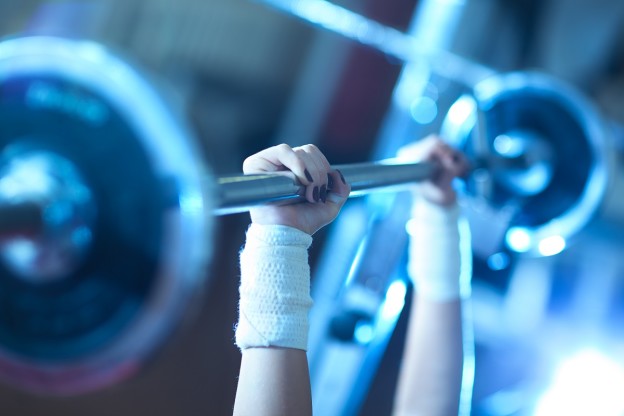
Strength Training At Home – What Equipment To Start With?

The Short Version

  • A TRX or Jungle Gym can get you a long way when getting started or travelling
  • Most equipment is being used as a coat hanger
  • Strength Equipment for different budgets. You don’t need a lot for some great workouts.

Getting Started in Fitness

For most people starting in fitness, purchasing dumbbells, bands, barbells, or expensive equipment is a bad choice. You can often see great equipment for little money on Craigslist because people purchase it without understanding it, or they figure out they don’t like working out at home after all, and the equipment ends up being used as coat hangers.

Buying Fitness Equipment on a Budget

If you are intend on purchasing something and you have not worked out in a long time I would start with the shoe-string budget. You invest relatively little and you can get a lot of bang for your buck. If it turns out that you don’t work out at home or traveling, you have not invested a lot of money.

Shoe String Budget ($30-$250)

  • TRX Suspension Trainer ($199) or Jungle Gym Suspension Trainer ($69-99): With the TRX being the leader in the business these two systems work very similarly. They offer the opportunity to work  your whole body via suspension. Both are easy to carry and offer attachments for doors and walls. They are light weight and can be easily taken along while traveling.
  • Resistance Tubing ($20-40) is another affordable way to get started working out. I am not a big fan, because most people will need different band strengths and you end up with a host of bands when traveling. In addition these bands or their handles can break relatively easily. We use them at our personal training studio but I would not recommend them as a primary tool for exercise.
  • Mini Bands ($2-4 a piece): These bands are great for lateral work, are cheap and you can use them for plenty exercises. I would definitely recommend getting them!
  • Foam Rollers ($10-15): These are great to work out some adhesions and reducing your massage therapists work a little. I would definitely recommend having one.
  • Medicine Balls are great, especially if you have a brick wall you can slam them against. Great for some power work. They will get pricy fast though and you might need several. Each ball costs between 20-120 dollars.

Low to moderate Budget ($250-1000)

  • Adjustable Dumbbells ($299-$1400). The pricing varies greatly and you need to see what works for you. I personally would not buy a set that goes up to less than 50 lbs and some people should have the ability to go up to 90 lbs. This will be definitely on the higher end spectrum of your budget ($1000).
  • Bench ($150-$300) If you get a set of dumbbells a bench is a great addition. You don’t have to spend 600 dollars to own a good bench. Just make sure it is not too high. A lower sitting bench is better for most people.

Moderate to High Budget ($500 +)

  • Barbell Set ($500+): Barbell sets vary greatly in price and quality,  and you can sometimes find great offers on Craigslist. You need to figure out what you are looking for. Do you really need bumper plates? You only do, if you do overhead lifts and drop your barbell. Make sure you have a bar of at least moderate quality. On the other hand most of us don’t need the ultra high end bar for hundreds and hundreds of dollars.
  • Power Rack ($700+) Good power racks cost money. You want them to be sturdy. Again you might be able to get something used. Cheaper racks are too light and might shift when you put the weight back. Also, you might want band attachments for superbands.
  • Half Racks ($500+). Half Racks take a little bit less space than full power racks but are usually not quite as stable.

There are so many more options and toys and I am sure I have missed one of your favorites. This list is far from being complete, but can offer you a nice start. Remember that the costs I mentioned are primarily for new equipment. You might be able to save some money with some savvy used purchases.

Have a fit and healthy day,

Michael

Seraphinite AcceleratorOptimized by Seraphinite Accelerator
Turns on site high speed to be attractive for people and search engines.