...
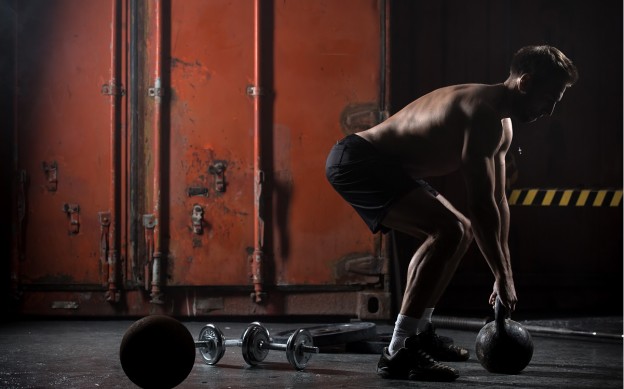
good athletic form during deadlifts at Shape Up Fitness & Wellness Consulting

Knee Pain from a Different Angle

Knee pain is a very general term and can have many causes. One cause would be trauma. For many of us engaged in physical activities and sports that may be the cause. For the majority of people knee issues seem to creep up especially in their late 30s, 40s and 50s. Often it is associated with someone becoming more active again and picking up a sport, or fitness training to improve their body composition. All of the sudden the knee starts hurting.

To understand better the complexity of the knee we need to understand more about its anatomy.

Knee Anatomy

The knee joint is one of the most complex joints in our body. It consists of

  1. The patellofemoral joint (knee cap to distal part of the femur)
  2. the tibial-femoral joint (the femur interacting with the tibia (shin bone))
  3. It has meniscii functioning as increasing the joint surface and working as shock absorbers. They are C-shaped.
  4. The ligaments attached to the femur, tibia, & fibula lending it stability and guiding movements.
    1. Patella Tendon attaching on the bottom of the patella and allowing the force of the anterior femoral muscles to lead to knee extension by being attached to the tibia
    2. The cruciate ligaments stabilizing the knee in a sagittal plane
    3. The collateral ligaments stabilizing the knee against folding open sideways (coronal plane)
  5. Bursae are little sacks filled with fluid to protect tendons going over bones, etc.)
  6. There is a multitude of muscles working on the knee: flexing, extending, rotation etc.

What does the hip and the foot have to do with my knee?
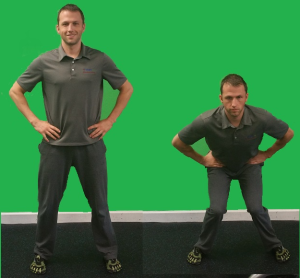
Shape Up Fitness & Wellness Consulting form training
Bad form jumping, like demonstrated can lead to injury

In addition of myriad muscles going over the knee, the hip and the muscles pulling on the hip or the foot position play a major role in your knees function. Inactive gluteal muscles can lead to changes on how the quadriceps pulls on the patella and its tendon. This can have a significant impact on patella positioning, cartilage damage, etc.

A similar situation happens when a foot is not properly supported by its arch and ankle. If your ankle collapses inwards you will have an increased risk of knee injuries due to “overuse” or rather “biomechanics”.

Basically in addition to being sensitive to traumatic injuries (i.e. in soccer, football, tennis etc) the knee is the slave to hip mechanics and foot mechanics.

How can I improve the situation if it is caused by weak hip stabilizers?

There are plenty of things you can do for the hip ranging from functional movements like deadlifts, single leg deadlifts, bridges, single leg bridges to small movements like side to side walk w/ mini-bands, bridge walks, hip hikes. 

Trap bar deadlifts are great because they work hamstrings, glutes, adductors, etc. The single leg version really helps with stabilization and is the functional progression.

I would definitely recommend you supplementing these exercises with movements like loaded bridges, clamshells, etc.

Bridges are absolutely fantastic to activate the glutes in a more isolated fashion than squats and deadlifts. With bridges make sure that the back stays straight. Don’t push the weight over the toes but rather keep the weight on the whole foot or slightly more oriented towards the heel. You have various options to set up the bridge. You can either lay down on the floor, the feet even with the floor, elevate the feet or elevate the back. Elevating the back or feet increases the range of motion and is definitely preferred. If you struggle to use a bench for your back, you can set it up on a 10” box a well. Again, I would recommend to progress to single leg bridges down the road. Make sure to use adequate padding for the bar. The bar should be sitting between pubic bone and ASIS (anterior superior iliac spine)

Clamshells on the other hand are a great isolation exercise that can support the work that you are doing with the compound movements. They are just one of many exercises that can be used for this purpose: quadruped donkey kicks, quadruped fire hydrants, cable kickbacks, back extensions, etc. can all be used to supplement the big movements. 

What You can do for your feet

Short foot exercises like the one in the video are a great tool to work on foot position and strengthening up intrinsic foot muscles. In addition to the isolated exercise make sure to integrate the short foot into squats, deadlifts, etc. 

Conclusion

Knee pain at least due to postural issues and weakness don’t have to be necessarily accepted as part of life. Working on fixing muscle activation & technique training can help clean up your form, improve joint positioning and potentially enable you to be a lifelong healthy athlete.

The sooner someone starts to address these issues the better. Depending on your age and activity level, exercises and foam rolling might not be all that is needed. You might need the synergistic efforts from massage therapists, chiropractors, trainers and your own diligence to get back “on your feet”.

Do not expect immediate and permanent results.You might have had the problems for years and progress might be really slow. If you can reduce pain and increase performance, I consider the effort well worth it.

What if it is not working

Exercises are great but training can only bring you so far. As mentioned above it might take a village to get you back on track. Massages, manual therapy, chiropractic, as well as physical therapists might be necessary to get you started.


References:

http://teachmeanatomy.info/lower-limb/joints/the-knee-joint/
http://www.physio-pedia.com/’Q’_Angle
Schuenke et al.  (2006). Atlas of Anatomy – General Anatomy and Musculoskeletal System. Thieme.


Healthy Nutrition at Shape Up Fitness & Wellness Consulting

How much protein is too much?

Current Protein Intake Recommendations

The general recommendation for a sedentary person is 0.8g of protein/kg body mass.

Athletes take anywhere from 1.2-2g protein/kg body weight. Endurance athletes rank anywhere between 1.25-1.75g/kg while powerlifters and bodybuilders take in about 1.75g-2.8g/kg body weight.

What does research say?

Recommendations for athletes vary from 1.28g/kg body weight to 2.8g/kg body weight (divide your weight  lbs by 2.204). A short study lasting only 7 days did not find any significant changes in urinary creatinine, albumine and urea. The “Nurse Study” a survey, supports those findings but indicates that this might not hold true in people with renal failure.

In healthy people a steady high protein diet does not seem to have negative effects on the liver but might have damaging properties with a high protein refeeding when the person fasted for longer than 48 hours.

Some people argue that amino acids are acids after all that the acidity might become a problem. Looking at the research though it seems that it is not potent enough to cause harm to most individuals. It only becomes a potential risk if the calcium intake was below 400 mg/1000kcal consumed and even then the relationship seems relatively weak.

Kidneys seem to work fine unless there is a problem with the sodium-bicarbonate buffering system which balances out the acid:base ratio.

What have rats to do with it?

Well, rats that were exposed to resistance training were able to decrease the impact of a dramatic protein intake increase.

Take Away

It is pretty simple. If you are healthy a steady high protein diet won’t have a negative impact on you. Should you have liver or kidney concerns it is strongly recommended to consult with your physician first before dramatically increasing your protein intake. A higher protein intake has shown to improve weight loss, performance, & recovery.

We recommend our weight loss clients to take in about 1g of protein/lbs of weight and have a lot of success in weight loss, lowering BP, etc.

Adjustments need to be individually made. One size does not fit all but the research clearly shows that a higher protein intake is connected to more positives than negatives as long as the person is healthy.

If you are interested in find out more about us, click below:

[maxbutton id=”2″]


References:

Examine Can Eating too much protein be bad for you?


Solid nutrition advice at Shape Up Fitness & Wellness Consulting

Supplementation – What do you really need?

This question arises quite frequently with our online or offline personal training clients. The concern is real and there are definitely sometimes advantages to supplementing. The problem is that the fitness & supplement industry has muddied the waters when it comes to what you really need.

What supplementation do you really need?

This brings me to the first question. What do you really need. Most of us listen to some fellow lifters, weight loss colleagues, etc. What works for them will work for you and me. Well, that can be dangerous, inefficient, or expensive and at its worst all three.

How to identify your need?

Urine & blood testing might be the best option to really identify what you need. The problem is the expense.

There are a couple of other options.

  1. Identify your goals: weight loss, recovery, performance, muscle gain, etc.
  2. Write down your basic diet for one week, don’t change anything
  3. Analyze the diet for the following factors
    1. Macro-Nutrient Intake: carbs, protein, fats.
    2. Vegetable intake
    3. Fruit intake
    4. Nutrition during exercise
  4. Sleep patterns

Goal based supplementation

  1. Weight Loss: weight loss supplementation is sketchy at best. Some of the supplements that work can have interactions with medications. You should consult your physician before randomly using supplements.
    1. 2 Cups of coffee per day spaced throughout the day then add
    2. 2x10mg of synephrine, get used to it, then add
    3. 2x 90 mg of salicin (white willow extract)
  2. Muscle Gain
    1. Carb+Protein drink during workout (30g of carbs+10-15g of protein)
    2. Creatine 5g/day, no loading phase necessary, basic creatine monohydrate the best
    3. Nitrate through 500g of your chosen veggie like beets
  3. Injury Recovery
    1. 1.5-2.0 g of protein / kg of weight; in g/lbs = a little bit under 1g/lb
    2. Supplementation of 3-9g of fish oil/day (too high of anti-inflammatory response can reduce healing)
    3. Avoid oral Vitamin E supplementation, since it may slow healing
    4. Vitamin A may be taken by up to 10,000 UI daily for week 1-2 of an acute injury but will build up toxicity.
    5. 1-2g of Vitamin C can help recovery from surgery, injury and ulcers
    6. Turmeric can be taken to up to 8g without contraindications. It has a poor oral bioavailability and should be taken with black pepper extract (piperine).

Nutrition based supplementation

We are talking about good basic nutrition. I know you have a busy life. That is why I had you write down your nutrition for 5 days. It will give us some ideas on where we can help with nutrition.

  1. If you are low in carbs, don’t worry about it, you usually do not need to supplement it  unless you are an endurance athlete and need a higher carb intake.
  2. If you are low in omega-3 fatty acid, because of your fat sources you can supplement 3-5g/day with some high quality fish oil
  3. If you are low in protein, we recommend supplementing with a high quality whey/vegetable protein. A minimum of 0.8g / kg if you are completely sedentary, up to 2g/kg as an athlete
  4. If you are low on veggies & fruit on some days you can supplement with a freeze-dried greens & fruit product on those days, as well as some fiber, if your diet is low fiber.
  5. If you have weight gain goals, or performance goals you want to make sure to eat during workouts longer than 60 min and or workouts in the early morning. A mix of carbs+protein comes in handy (mentioned above).

Sleep & Recovery

If you are not sleeping enough  (<7 hours). You should definitely see what the cause is:

  1. Do you allow enough sleep? allow 7.5 hours of sleep at least
  2. Do you have the television on, or watch movies or read on your tablet? It will interrupt your melatonin production. You can get a blue light filter app for your device or nerdy glasses 🙂
  3. Are you a worrier? Write down the things that go on in your mind and take a 10 min warm to hot foot bath. It helps you to relax
  4. If all of these fail to improve your sleep:
    1. 200 mg of magnesium citrate or malate can help as a base
    2. 600 mg of lemon balm and 80 mg of lavender oil can work for people who have intrusive thoughts or anxiety. Take it 30 min prior to your bed time
    3. If you have trouble falling asleep take the magnesium and 500 mcg of melatonin 30 min before going to bed.

Conclusion

Supplements should always be exactly that: they should supplement your nutrition and your lifestyle. They are not a replacement and should not be abused. Make a serious effort in order to get your ducks lined up in a  row.


Have an awesome day,

Michael

References:

Examine.com
Berardi, J. & Andrews, R. (2013). The Essentials of Sport and Exercise Nutrition. Precision Nutrition


Seraphinite AcceleratorOptimized by Seraphinite Accelerator
Turns on site high speed to be attractive for people and search engines.