How can I lose weight and tone up without bulking up?
This is a question I hear all the time. The good news is that women’s ability to build large amounts of muscle mass is limited by their hormones, so there’s no real risk of bulking up while losing weight and toning.
What is toning? Toning typically refers to increasing muscle definition while reducing body fat. It’s a combination of muscle growth and fat loss. As a woman, building significant muscle—especially in the upper body—takes considerable effort. So, there’s no real risk of looking bulky.
If someone appears bulky, it’s likely because their nutrition wasn’t handled properly, and excess body fat remains. Fortunately, this can be fixed by reducing calorie intake and maintaining a high-protein diet. As fat decreases, your toned physique will begin to show.
What are the best exercises to burn fat?
Unfortunately, there’s no conclusive evidence supporting localized fat reduction through specific exercises. While some studies have hinted at it, meta-analyses haven’t confirmed those findings.
Instead, focus on combining exercises with proper nutrition. You can’t out-train a poor diet. The best approach is to build lean muscle mass, which increases your metabolism. Additionally, stay active with general movement like walking, and incorporate cardiovascular activities that involve the whole body.
Should I do more cardio or weight training to lose weight?
This is a tough question, but here’s my take:
Cardio Pros
Increases calorie burn
Improves cardiovascular health
Boosts stamina
Weight Training Pros
Builds muscle, which increases metabolism
Helps maintain muscle mass during weight loss
Enhances strength and body composition
During weight loss, metabolism tends to slow down, so maintaining or building muscle mass through weight training is crucial. Cardiovascular activity is beneficial, but it doesn’t help preserve muscle mass. If you’re working out five days a week, I recommend three days of weight training and two days of cardio.
Does my menstrual cycle affect my workouts?
Yes, it does! If you’re not on birth control, your menstrual cycle can impact your workouts.
Early Follicular Phase During this phase, your endurance and strength may be slightly reduced, and you might not feel at your best. It’s perfectly okay to dial back during this time.
Mid-Luteal Phase When estrogen and progesterone levels are high, you may find prolonged exercise—especially in hot conditions—more challenging. This is important to note if you’re an endurance athlete. Strength isn’t as affected during this phase, but you might feel increased cardiovascular strain due to elevated body temperature.
General Recommendations While strength and VO2 max aren’t significantly impacted by menstrual phases, it’s a good idea to track your cycle and adjust your workouts based on how you feel. Every woman is different, so a one-size-fits-all approach doesn’t work. When working with my female clients, we take it day by day and adjust based on how they feel during warm-ups. Sometimes we need to pull back, but other times—especially when estrogen is high—they perform like powerhouses. Focus on what works for you.
If you’re on birth control, these fluctuations won’t apply, as hormone levels remain more stable throughout the month.
If you have more questions, feel free to reach out! What’s been your personal experience? If you’re not comfortable sharing publicly, you can always send me a direct message.
If you’re interested in more specific guidance, I offer personalized training programs to help you achieve your fitness goals. Let me know how I can assist you further!
As personal trainers specializing in injury prevention and longevity, we know how important it is to maintain optimal health for peak performance, especially as we age. Low testosterone is a common concern for many clients, and while it doesn’t always require action, understanding the implications and addressing the root causes can help your clients live longer, stronger, and healthier lives.
Who’s at Risk?
In younger men (20-44), low testosterone is often tied to obesity, diabetes, substance abuse, or congenital issues. It’s important to recognize that testosterone levels naturally decline over time. For men in their 30s, early declines are often linked to excess weight and unhealthy lifestyle habits, while for those over 40, age-related changes combined with lifestyle factors like inactivity, poor nutrition, and chronic disease play a significant role.
The Role of Lifestyle in Testosterone Management
As trainers, our first line of defense is lifestyle change. Before referring clients to a medical professional for potential hormone therapy, it’s crucial to address key areas that can naturally improve testosterone levels, leading to better recovery, performance, and longevity.
Sleep apnea, often linked to being overweight, can also suppress testosterone.
Weight Management:
Obesity has a profound negative effect on testosterone. Helping clients reach a healthy weight is one of the best ways to restore hormonal balance.
Nutrition:
Low-fat diets tend to decrease testosterone levels. Balance is key—don’t let clients cut fats too low.
Excessive protein intake (over 3.5g/kg body weight) may also lower testosterone, so fine-tuning their macros is essential.
Vitamin D deficiency is common and linked to lower testosterone, so supplementation could help.
Caloric restriction can increase testosterone in overweight men but have the opposite effect in men of normal weight. Tailor calorie deficits carefully.
Omega-3 fatty acids, found in fish and supplements, also seem to positively impact testosterone levels, making them a great addition to any nutrition plan.
Exercise and Testosterone: Finding the Right Balance
While we understand the importance of strength and endurance training for injury prevention and longevity, it’s essential to know how they impact testosterone and recovery in different populations.
Endurance Training:
For untrained men, endurance exercise can increase testosterone, improving energy and recovery. However, in seasoned athletes, chronic endurance training can sometimes suppress testosterone due to increased cortisol production.
Clients who combine endurance and resistance training will see a post-exercise testosterone spike, though long-term effects may be minimal.
Pro Tip: When programming, prioritize strength training before endurance work to avoid cortisol spikes that can counteract testosterone benefits.
Strength Training:
Resistance training has minimal impact on resting testosterone in older clients, but it remains vital for improving overall strength, muscle mass, and bone density, which are key to longevity.
Use higher intensity, compound movements to stimulate natural testosterone production and improve hormonal health in your clients.
Simplifying the Plan: A Roadmap for Trainers
Here’s how to help your clients manage their testosterone levels through lifestyle optimization:
Assess and Adjust Sleep Patterns: Ensure clients get 7-8 hours of quality sleep. For those with sleep apnea, weight loss is essential, and referrals to sleep specialists may be necessary.
Optimize Nutrition:
Work with clients to strike the right balance of fats and protein. Too little fat and too much protein can both negatively affect testosterone levels.
Ensure they’re getting enough Vitamin D and Omega-3s, and focus on calorie management to avoid extreme deficits, especially in clients of normal weight.
Design Balanced Training Programs:
Prioritize strength training for longevity and muscle preservation, but include enough endurance work to support cardiovascular health.
Adjust the order and intensity of exercises to minimize cortisol spikes and maximize testosterone production.
Track Progress: Encourage clients to monitor their progress over time, using baseline measurements (including body composition, strength, energy levels, etc.) and periodic assessments every 6-12 months. This will help gauge whether lifestyle adjustments are having the desired effect.
When to Consider Referrals for Medical Intervention
If, after a year of consistent sleep, nutrition, and exercise improvements, your client is still struggling with symptoms of low testosterone, it may be time to consult a hormone specialist. While Testosterone Replacement Therapy (TRT) can be effective, it’s important to recognize that once started, it often becomes a lifelong commitment. Encourage clients to weigh the pros and cons carefully and avoid rushing into this option without thorough lifestyle optimization first.
Personal Trainer Perspective: How I’ve Managed My Own Testosterone
I’m 47 now, and about 10 years ago I had my testosterone levels tested. My results showed average levels for my age group. At that time, I wasn’t sleeping enough (5-7 hours a night), my nutrition was okay but not optimal, and while I was training regularly, I wasn’t maximizing my potential.
By simply improving my sleep, most of my symptoms of low testosterone disappeared. Sure, I still struggle with getting enough sleep occasionally, but overall, I don’t experience any issues related to low testosterone. Could I optimize further for better training results? Absolutely. But for now, I’m satisfied with my progress.
This is an important lesson for our clients: Address the basics first. If they still experience symptoms after improving their lifestyle, then hormone therapy might be an option. But jumping into TRT without giving these changes a fair chance may lead to unnecessary lifelong treatments.
Your Client’s Journey to Longevity
As trainers, we’re in a unique position to guide clients toward better health, focusing not only on short-term performance but also long-term well-being. Optimizing sleep, nutrition, and exercise can go a long way in naturally managing testosterone levels, leading to better recovery, performance, and, most importantly, a longer, healthier life.
Remember, TRT may be a solution for some, but it should always be a last resort. Help your clients master the fundamentals before considering hormone therapy.
Coach Michael Shape Up Fitness & Wellness Consulting
Zhu, A., Andino, J., Daignault-Newton, S., Chopra, Z., Sarma, A., & Dupree, J. (2022). What Is a Normal Testosterone Level for Young Men? Rethinking the 300 ng/dL Cutoff for Testosterone Deficiency in Men 20-44 Years Old. The Journal of Urology, 208, 1295 – 1302. https://doi.org/10.1097/JU.0000000000002928.
Cohen, J., Nassau, D., Patel, P., & Ramasamy, R. (2020). Low Testosterone in Adolescents & Young Adults. Frontiers in Endocrinology, 10. https://doi.org/10.3389/fendo.2019.00916.
Livingston, M., Kalansooriya, A., Hartland, A., Ramachandran, S., & Heald, A. (2017). Serum testosterone levels in male hypogonadism: Why and when to check—A review. International Journal of Clinical Practice, 71. https://doi.org/10.1111/ijcp.12995.
Smith, I., Salazar, I., Roychoudhury, A., & St-Onge, M. (2019). Sleep restriction and testosterone concentrations in young healthy males: randomized controlled studies of acute and chronic short sleep.. Sleep health. https://doi.org/10.1016/j.sleh.2019.07.003.
Alvarenga, T., Fernandes, G., Bittencourt, L., Tufik, S., & Andersen, M. (2022). The effects of sleep deprivation and obstructive sleep apnea syndrome on male reproductive function: a multi‐arm randomised trial. Journal of Sleep Research, 32. https://doi.org/10.1111/jsr.13664.
Su, L., Meng, Y., Zhang, S., Cao, Y., Zhu, J., Qu, H., & Jiao, Y. (2021). Association between obstructive sleep apnea and male serum testosterone: A systematic review and meta‐analysis. Andrology, 10, 223 – 231. https://doi.org/10.1111/andr.13111.
Whittaker, J., & Wu, K. (2021). Low-fat diets and testosterone in men: Systematic review and meta-analysis of intervention studies. The Journal of Steroid Biochemistry and Molecular Biology, 210. https://doi.org/10.1016/j.jsbmb.2021.105878.
Moran, L., Brinkworth, G., Martin, S., Wycherley, T., Stuckey, B., Lutze, J., Clifton, P., Wittert, G., & Noakes, M. (2016). Long-Term Effects of a Randomised Controlled Trial Comparing High Protein or High Carbohydrate Weight Loss Diets on Testosterone, SHBG, Erectile and Urinary Function in Overweight and Obese Men. PLoS ONE, 11. https://doi.org/10.1371/journal.pone.0161297.
Pilz, S., Frisch, S., Koertke, H., Kuhn, J., Dreier, J., Obermayer-Pietsch, B., Wehr, E., & Zittermann, A. (2010). Effect of Vitamin D Supplementation on Testosterone Levels in Men. Hormone and Metabolic Research, 43, 223 – 225. https://doi.org/10.1055/s-0030-1269854.
Abbott, K., Burrows, T., Acharya, S., Thota, R., & Garg, M. (2020). Dietary supplementation with docosahexaenoic acid rich fish oil increases circulating levels of testosterone in overweight and obese men.. Prostaglandins, leukotrienes, and essential fatty acids, 163, 102204 . https://doi.org/10.1016/j.plefa.2020.102204.
Smith, S., Teo, S., Lopresti, A., Heritage, B., & Fairchild, T. (2021). Examining the effects of calorie restriction on testosterone concentrations in men: a systematic review and meta-analysis.. Nutrition reviews. https://doi.org/10.1093/nutrit/nuab072.
Barari, A., Ayatollahi, A., Shirali, S., Ghasemi, M., Hosseini, A., Ekrami, A., & Del, A. (2014). Effect of Endurance and Resistance Training on Parameters Related to Sexual Function in Men. Medical Laboratory Journal, 8, 47-53.
Rosa, C., Vilaça-Alves, J., Fernandes, H., Saavedra, F., Pinto, R., & Reis, V. (2015). Order Effects of Combined Strength and Endurance Training on Testosterone, Cortisol, Growth Hormone, and IGF-1 Binding Protein 3 in Concurrently Trained Men. Journal of Strength and Conditioning Research, 29, 74–79. https://doi.org/10.1519/JSC.0000000000000610.
Bell, G., Syrotuik, D., Martin, T., Burnham, R., & Quinney, H. (2000). Effect of concurrent strength and endurance training on skeletal muscle properties and hormone concentrations in humans. European Journal of Applied Physiology, 81, 418-427. https://doi.org/10.1007/s004210050063.
Küüsmaa, M., Schumann, M., Sedliak, M., Kraemer, W., Newton, R., Malinen, J., Nyman, K., Häkkinen, A., & Häkkinen, K. (2016). Effects of morning versus evening combined strength and endurance training on physical performance, muscle hypertrophy, and serum hormone concentrations.. Applied physiology, nutrition, and metabolism = Physiologie appliquee, nutrition et metabolisme, 41 12, 1285-1294 . https://doi.org/10.1139/APNM-2016-0271.
Grandys, M., Majerczak, J., Kulpa, J., Duda, K., Rychlik, U., & Zoladz, J. (2016). The importance of the training-induced decrease in basal cortisol concentration in the improvement in muscular performance in humans.. Physiological research, 65 1, 109-20 . https://doi.org/10.33549/PHYSIOLRES.933039.
Hayes, L., & Elliott, B. (2019). Short-Term Exercise Training Inconsistently Influences Basal Testosterone in Older Men: A Systematic Review and Meta-Analysis. Frontiers in Physiology, 9. https://doi.org/10.3389/fphys.2018.01878.
What Do You Need to Know When Picking a Personal Trainer?
When it comes to finding the right personal trainer — especially if you’re focused on injury prevention, recovery, or longevity—it can feel like a big decision. And trust me, I’ve seen it all in my nearly 30 years of working with clients. But the good news is that once you know what you need, it becomes a lot easier to figure out who’s the best fit.
The key is to start by understanding your goals. Are you looking to recover from an injury, regain strength, or stay active as you get older? Defining this will help you find a trainer who specializes in exactly what you need.
Common Fitness Goals for Older Adults and Those in Recovery:
Injury prevention and recovery
Improving general fitness and mobility
Longevity and healthspan improvement
Flexibility and posture enhancement
Strengthening for fall prevention
Stress relief / Mental health support
Chronic pain management
Weight loss or muscle gain tailored to age-specific needs
Accountability and motivation for long-term success
For many of my clients, injury recovery or maintaining mobility is the top priority. For example, one of my clients, Paul, came to me after back surgery that left him feeling weak and unsure about exercising again. He said, “I was worried that working out would make things worse.” After months of carefully structured training, Paul not only regained his strength but also felt more confident in his body than he had in years.
Why Specialization in Injury Prevention and Longevity Matters
Not all personal trainers have the experience or knowledge needed to support clients recovering from injuries or seeking to improve their health as they age. A trainer specializing in injury prevention and longevity doesn’t just focus on building muscle or losing weight—they focus on long-term health, mobility, and staying pain-free.
One of my long-time clients, Cindy, who worked with me for several years after her shoulder surgery, once told me, “Before I started training with you, I couldn’t lift my arm without feeling pain. Now, I’m back to gardening, carrying groceries, and I feel like myself again.” Stories like Cindy’s are the reason I believe so strongly in the importance of specialized training.
What to Look for in a Personal Trainer Specializing in Recovery and Longevity
Certifications and Experience: While certifications are important, they aren’t the only thing that matters. Look for trainers with a proven track record in injury prevention and recovery. My approach combines almost 30 years of hands-on experience with advanced education in sports science and sports medicine, which allows me to design programs that promote healing while avoiding further injury. I’ve worked with clients of all ages, from retirees to athletes recovering from surgery, and it’s about knowing how to tailor a plan for each person.
Personalization and Communication: A great trainer will personalize every aspect of your program based on your unique needs. When choosing a trainer, ask how they assess your starting point and track progress. At Shape Up Fitness & Wellness Consulting, every client gets a customized program, whether it’s for post-surgical recovery, chronic pain management, or improving flexibility. One of our clients, Linda, a 73-year-old who struggled with balance issues, shared, “Michael helped me regain my confidence. I no longer worry about falling, and I can move around the house with ease.”
Trust and Openness: Trust is the foundation of any trainer-client relationship. You need to feel comfortable being honest about your pain, limitations, and what you’re hoping to achieve. And in return, your trainer should be straightforward about what’s realistic and how they can help. I had a client, Ron, who came to me after multiple failed attempts at rehabbing a knee injury. He was frustrated, and understandably so. But with clear communication and a careful approach, Ron regained strength, and as he put it, “For the first time in years, I’m moving without pain, and I finally feel hopeful again.”
Be Clear About Your Needs
When you meet with a trainer, don’t be afraid to be specific about what you’re struggling with. Whether it’s pain, a lack of motivation, or feeling uncertain about your abilities, it’s important to communicate openly. One of my clients, Diane, admitted to me early on that she struggled to stay consistent with working out. She told me, “I just didn’t feel like I could stick with it.” Now, after over a year of working together, she’s exercising regularly and says, “I feel better than I have in years, and I actually look forward to my sessions.”
It’s okay to ask for help—that’s what trainers are here for. Whether you need someone to hold you accountable or guide you through a safe recovery, the right trainer will work with you to achieve your goals.
Do You Get What You Pay For?
There’s some truth to the saying, “you get what you pay for.” If you’re paying $20 an hour, you may end up with an inexperienced trainer who isn’t equipped to handle specialized needs like injury recovery or longevity training. A qualified trainer with experience in these areas will cost more, but you’re investing in your health, mobility, and overall well-being.
At Shape Up Fitness & Wellness Consulting, we provide specialized training that goes beyond just workouts—it’s about creating a plan for long-term success. Whether it’s avoiding future injuries or making sure you stay active as you age, we’re here to help you every step of the way.
How Much Does Personal Trainer/Training Cost?
In Charlotte, NC, here’s what you can expect for personal training rates:
30-minute sessions: $50–$70
45-minute sessions: $65–$95
60-minute sessions: $80–$110
For trainers with specializations like injury recovery, prevention, and longevity, expect to pay around 10–30% more due to the advanced qualifications required to safely guide clients through these challenges.
Investing in Your Long-Term Health
At the end of the day, investing in a specialized trainer is an investment in your future. Whether it’s recovering from an injury, improving your mobility, or simply staying active as you age, having someone who understands your unique needs makes all the difference.
One of my favorite client success stories comes from a gentleman named Frank, who came to me with chronic back pain. He had tried other programs that didn’t work for him, and he was starting to lose hope. After working together, Frank told me, “For the first time in years, I can play with my grandkids without worrying about my back. That’s priceless.”
If you’re ready to take control of your health and invest in your future, we’re here to help.
Final Thoughts
Finding the right personal trainer is about more than just workouts—it’s about finding someone who understands your unique needs and can guide you toward a healthier, more active life. Take the time to ask the right questions, look for a trainer who specializes in injury prevention and longevity, and remember, your health is always worth the investment.
Call to Action
Ready to get started? Contact Charlotte Personal Trainer today for a free consultation, and let’s work together to help you achieve your fitness goals, recover from injury, and stay active for life.
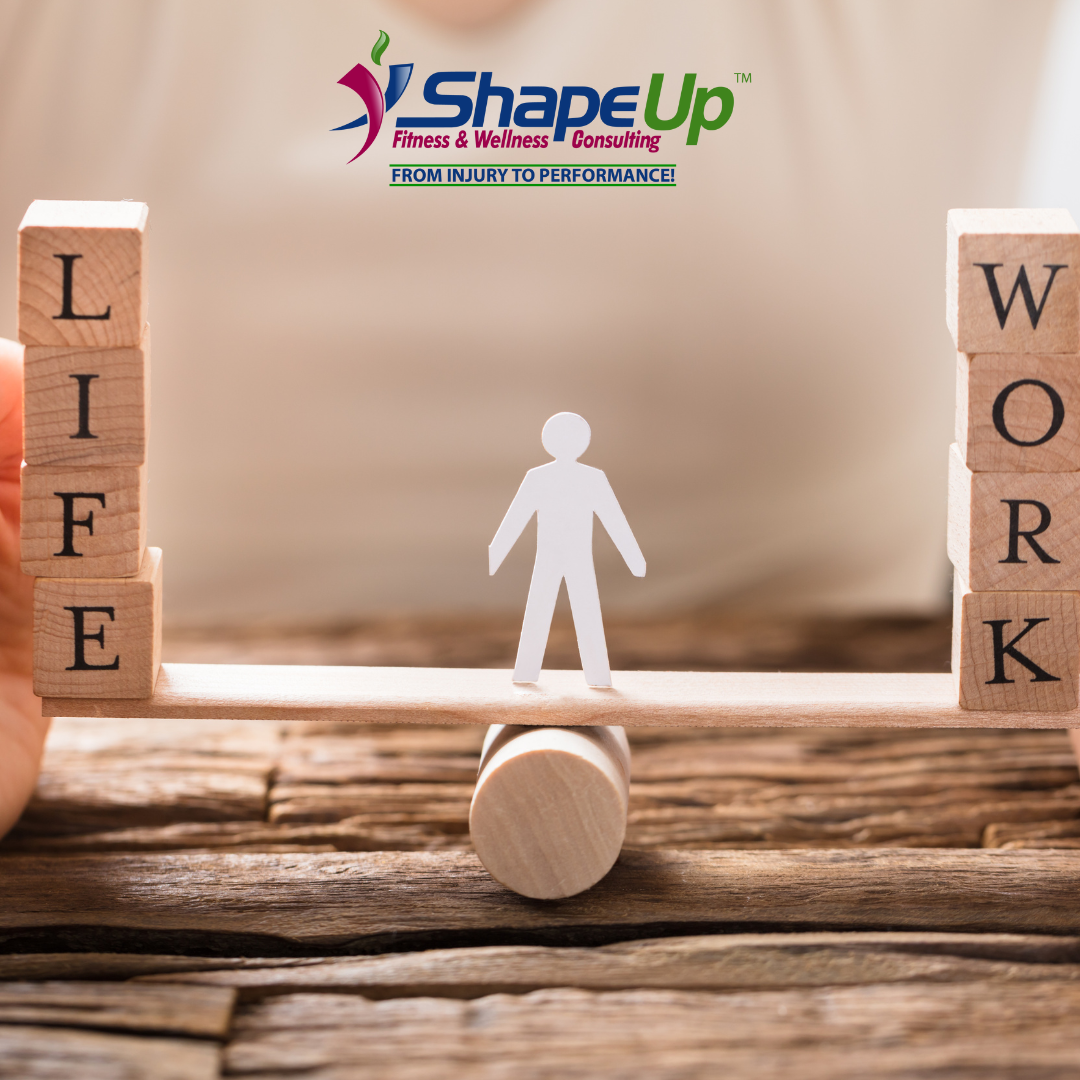
But what does that really mean? If you think about it, it suggests one thing: we’re constantly out of balance. True balance is fleeting—a moment in time, not something we can sustain indefinitely.
This past Labor Day, I decided to take a break from my usual highly-structured routine. After two hours of work in the morning, I committed to doing absolutely nothing productive for the rest of the day. My plan? Sink into video games and movies—preferably both at the same time to satisfy my ADHD cravings—and indulge in some “whole foods” like Oreo cookies, Lay’s Sour Cream & Onion chips, Nutella bread, and cheese nachos. The order of consumption didn’t matter; the goal was simple: sit in my chair for 12-14 hours of gaming bliss.
Mission accomplished.
But why did I do this? What was the point?
Well, my schedule is normally packed. I don’t spend hours scrolling through social media, binge-watching shows, or getting lost in video games. I’m productive, regimented, and in bed by 8:30 p.m. Saying I’m structured is an understatement. But that kind of discipline has a price. Every few months, I start to feel boxed in. And when that happens, I need the complete opposite—an all-out break from routine.
Labor Day arrived right on time this year. I’d been feeling increasingly caged, so I knew it was time to hit the reset button.
Now, I get that I’m probably an extreme case. For you, a break might look different.
After my day of gluttony, I eventually managed to peel myself out of the chair (it took two tries). My body felt ancient, and after a glance in the mirror, I thought for a moment it might be true—just kidding. But honestly, I was grateful. Grateful that I don’t spend most days glued to a chair. The next day, I was genuinely excited to get back to my routine, refreshed and ready to tackle my day.
Occasionally living on the other side of my usual habits makes me appreciate the balance I’ve worked so hard to create. It reminds me of who I am and how far I’ve come. Years ago, I was a video game addict, gaming 40 hours a week while running a business. Reconnecting with that side of myself once in a while gives me the mental break I need and reinforces just how much I’ve grown.
So, what works for you? How do you navigate the fine line between productivity and rest, routine and indulgence? Let’s hear it—how do you balance on that proverbial razor’s edge?