...
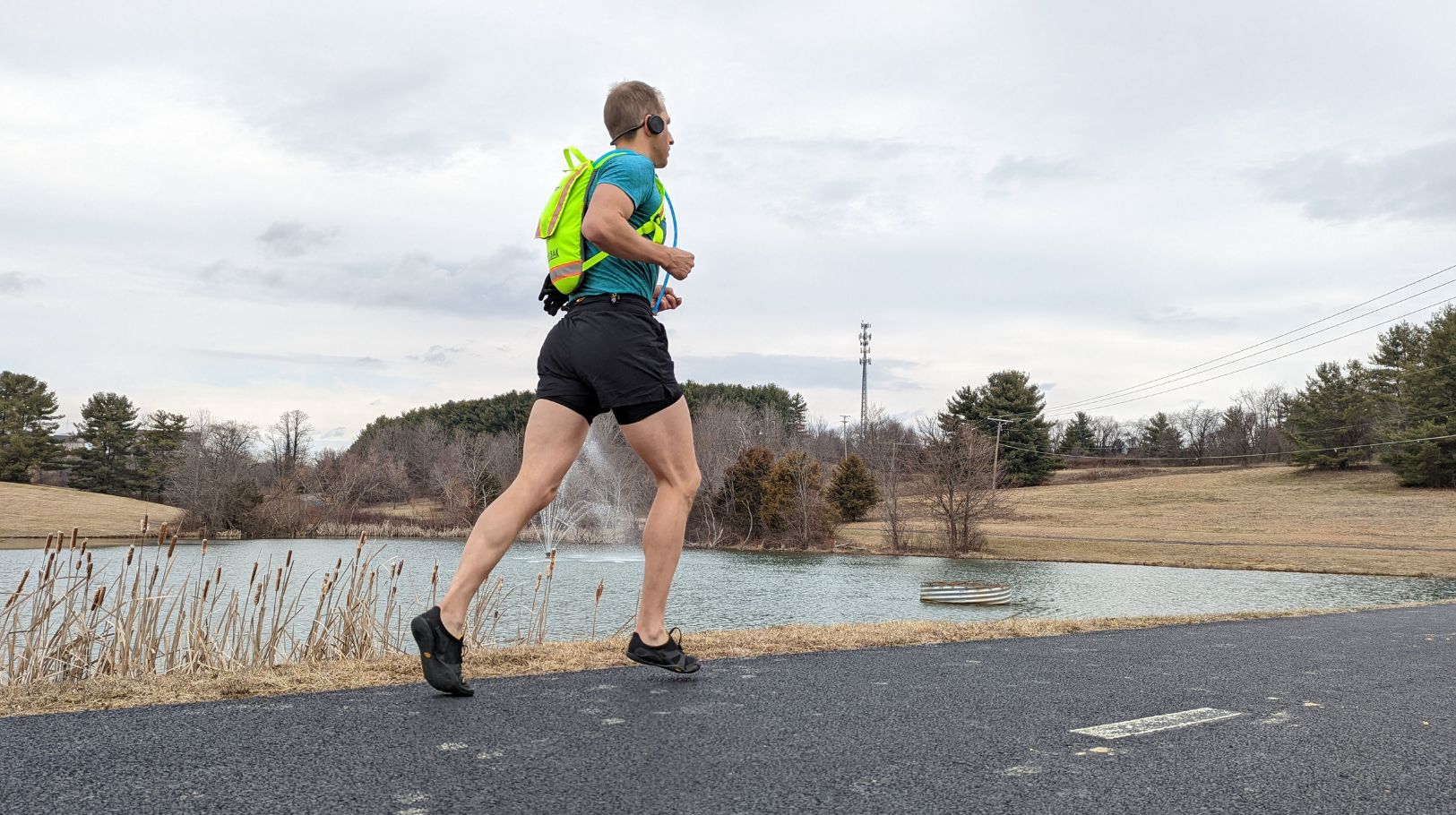
Runner pushing off during stride to illustrate Achilles tendon loading in Charlotte

Achilles Tendon Pain: Why Rest Doesn’t Work and What Helps Instead

Why Your Achilles Pain Keeps Coming Back

Achilles tendon pain is one of the most frustrating overuse problems I see, especially in runners, hikers, and active adults who are trying to do the right thing and still can’t seem to get rid of it.

For most people, the default plan is simple: rest until it stops hurting.

And to be fair, that can calm symptoms down for a little while. But in many cases, it does not actually solve the problem. In fact, complete rest often sets people up for the exact pattern they are trying to avoid: pain goes away, activity resumes, and the pain comes right back.

I see this all the time with people training here in Charlotte. They back off completely, feel better after a week or two, then go for a run on the greenway, take a long walk, do a hard workout, or head out for a hike, and the tendon flares up all over again.

That does not necessarily mean the tendon is permanently damaged. More often, it means the tissue was no longer irritated, but it also was not prepared for the load you asked it to handle.

The Common Misunderstanding

A lot of people assume tendon pain is mainly an inflammation issue.

The thought process usually goes like this:

Pain means inflammation.
Inflammation means rest.
Once pain settles down, the tissue must be healed.

The problem is that Achilles tendon pain often does not work that way.

While inflammation can play a role, Achilles tendinopathy is usually more about load capacity, tendon remodeling, tissue sensitivity, and whether the demands you place on the tendon are greater than what it is currently prepared to tolerate.

That is a very different problem than “just let it calm down.”

What May Actually Be Going On

In many cases, Achilles pain is better understood as a load management and capacity problem than a simple inflammation problem.

A few things are usually involved:

  • how much load the tendon can currently tolerate
  • how well the tendon has adapted to recent training or activity
  • whether the tendon is being irritated more by tensile load, compression, or both
  • how sensitive the tissue and nervous system have become
  • whether daily or weekly demand keeps exceeding the tendon’s current capacity

That is why two people can both have “Achilles pain” and need somewhat different strategies.

Why Complete Rest Often Backfires

One of the most important concepts here is load tolerance.

Load tolerance is simply the amount of stress a tissue can handle before it starts to get irritated.

When your Achilles is painful and you fully stop loading it, symptoms often improve. That part makes sense. But at the same time, the tendon is no longer getting the mechanical input it needs to maintain capacity.

Tendons are not like batteries that recharge best by doing nothing. They are living tissues that respond to appropriate stress. When you underload them for too long, they can become less prepared for the demands of real life.

So yes, pain may decrease with rest. But capacity can decrease too.

That is why so many people get trapped in this cycle:

Pain.
Rest.
Feel better.
Return to activity.
Pain again.

This is the same basic issue I wrote about in Why Your Knee Pain Is Probably NOT a Strength Problem. People often assume the answer is just less pain or more rest, when the real issue is that the tissue is not prepared for the load being put on it.

Tendons Need Load, but the Right Amount

Healthy tendons adapt to loading. With appropriate mechanical stress, they can become stiffer, stronger, and more resilient over time.

But there is a catch: tendons adapt slowly.

Muscle can respond relatively quickly. Tendon usually takes much longer. Meaningful tendon adaptation often takes weeks to months, not days. That is one reason people get impatient and either do too little for too long or too much too soon.

If the tendon is underloaded, capacity tends to decline.
If the tendon is overloaded, symptoms often flare and healing can be disrupted.
The goal is to find the middle ground where the tendon is challenged enough to adapt, but not hammered so hard that it keeps getting irritated.

That is where good rehab and smart programming matter.

Tendon Remodeling and “Failed Healing”

Tendons are constantly remodeling in response to stress.

In a healthy situation, that remodeling process supports collagen turnover, fiber alignment, and tissue resilience. But when loading becomes excessive, too repetitive, poorly timed, or not matched with enough recovery, the tendon can shift away from healthy adaptation and toward a failed healing response.

That is where you start to see changes in the tendon itself, including collagen matrix disruption, altered cellular behavior, vascular changes, and changes in how the tissue responds to load.

This is one reason why simply waiting for pain to disappear is often not enough. Symptoms may settle before the tendon has rebuilt the load tolerance needed for training, running, hiking, or even long periods on your feet.

Why the Location of Pain Matters

Not all Achilles pain behaves the same.

Insertional Achilles Tendinopathy

If the pain is right down near where the tendon attaches to the heel bone, compression often plays a bigger role. These cases are commonly aggravated by deeper ankle dorsiflexion, especially when the tendon is being compressed against the calcaneus.

In these cases, early management often goes better when people avoid:

  • aggressive calf stretching
  • deep dorsiflexion positions
  • heel drops below neutral
  • exercises that repeatedly compress the tendon at the insertion

Sometimes a temporary heel lift can also help reduce irritation.

Mid-Portion Achilles Tendinopathy

If the pain is higher up in the tendon, a few centimeters above the heel, this is more often a mid-portion issue. These cases are usually more tension-dominant and often respond well to progressive tensile loading, including heavy slow resistance and eccentric-based work when used appropriately.

This distinction matters because what helps one presentation can aggravate another.

Pain Is Not Just About Structure

Another piece people miss is tissue sensitivity.

Pain is not always a direct measurement of damage. Once a tendon has been irritated repeatedly, the tissue and nervous system can become more sensitive. That means loads that used to feel fine may suddenly feel threatening or painful.

This often creates a bad cycle:

  • pain increases
  • people become cautious or fearful
  • loading drops too much
  • capacity falls further
  • normal activity becomes irritating again

That is one reason tendon rehab is not just about making pain disappear. It is about gradually restoring confidence and rebuilding the tissue’s ability to handle load again.

You could also internally link here to your pain article: Pain Is Gain… Or Is It?

Capacity vs. Demand

This is the simplest way to think about most chronic Achilles problems.

Pain often shows up when the demands on the tendon regularly exceed its current capacity.

That can happen because of a sudden spike in training. It can happen because someone was inconsistent and then had one big weekend of activity. It can happen because they rested too long and lost tolerance. It can also happen because recovery, sleep, age, training structure, footwear changes, hills, sprinting, or volume progression were not managed well.

The tendon is not necessarily “fragile.” It is just being asked to do more than it is ready for.

Real-World Examples

I see this pattern in a few common groups.

The Runner

They feel a little Achilles pain, shut everything down, wait until it calms down, and then jump right back into the same pace, mileage, or hills that irritated it in the first place.

The Walker or Hiker

They are mostly fine in daily life, then go do a long walk, a hiking trip, or a big day outdoors without enough preparation. Around Charlotte, that might mean someone feels okay during the week and then overloads the tendon with a long outing after doing very little tendon-specific preparation.

The Weekend Warrior

Low activity Monday through Friday, then intense tennis, pickleball, yard work, hiking, or bootcamp-style exercise on the weekend. The tissue never really builds enough consistency to stay ahead of the demand.

What Actually Helps

In most cases, the answer is not endless rest and it is not just pushing through pain either.

What usually works better is a more structured approach:

1. Progressive loading

The tendon needs load to rebuild capacity. That loading has to be dosed appropriately and progressed gradually.

2. Better load management

You do not want huge spikes in volume, intensity, hills, speed, plyometrics, or weekend activity before the tendon is ready for them.

3. The right exercise selection

Isometrics, heavy slow resistance, and eccentric-based approaches can all be useful, depending on the presentation and the stage of irritation.

4. Recovery

Sleep, recovery, training frequency, and overall life stress matter. This becomes even more important with age, high training volume, or a history of repeated flare-ups.

5. Patience

This is the hard part. Tendon rehab usually moves slower than people want. You are not just trying to get out of pain. You are trying to build a tendon that can actually tolerate life and training again.

The Bigger Reframe

Achilles pain is often not just an inflammation problem.

It is usually a capacity problem.

Rest may reduce symptoms for a while, but load is what helps rebuild resilience. That does not mean reckless loading. It means intelligent, progressive loading with enough patience to let the tendon adapt.

Recovery is rarely perfectly linear. Small flare-ups do not always mean you are going backward. What matters more is the overall trend over time: Is the tendon gradually tolerating more?

That is the question that matters.

Need Help With Achilles Pain in Charlotte?

If you are dealing with recurring Achilles pain and you are tired of the cycle of resting, feeling better, and getting hurt again, I can help.

At Shape Up Fitness & Wellness Consulting, I work with active adults in Charlotte who want to rebuild strength, improve load tolerance, and get back to running, training, hiking, and daily life with more confidence.

If you want help figuring out whether your issue is more related to load management, tendon capacity, exercise selection, or overall programming, you can schedule a consultation here.

About the Author

Michael Anders is a Specialist Personal Trainer for Adults Over 40 and owner of Shape Up Fitness & Wellness Consulting in Charlotte, North Carolina. He specializes in helping active adults rebuild strength, improve movement, and return to training after injury setbacks.

Disclaimer

This article is intended for educational purposes only and does not constitute medical advice, diagnosis, or treatment. Individual conditions vary, and persistent or worsening symptoms should be evaluated by a qualified healthcare professional. Always consult your physician before making changes to exercise or rehabilitation programs.

Further Reading / Evidence Sources

Merry, K., Napier, C., Waugh, C., & Scott, A. (2022). Foundational Principles and Adaptation of the Healthy and Pathological Achilles Tendon in Response to Resistance Exercise. Journal of Clinical Medicine, 11.
Matsui, T., & Tanaka, Y. (2025). Pathophysiology and healing of insertional Achilles tendinopathy. Journal of ISAKOS.
Fang, Y. et al. (2024). Collagen denaturation in post-run Achilles tendons. Science Advances.
Schulze-Tanzil, G. et al. (2022). Tendon healing mechanisms. Bone & Joint Research.
Pringels, L. et al. (2022). Intratendinous pressure changes. Scandinavian Journal of Medicine & Science in Sports.
Bohm, S., Mersmann, F., & Arampatzis, A. (2015). Human tendon adaptation. Sports Medicine – Open.
Pierantoni, M. et al. (2023). Tendon alterations with reduced loading. Acta Biomaterialia.

Knee pain

Why Your Knee Pain Is Probably NOT a Strength Problem

Your knee may not be fragile — it may be overloaded.

Knee pain is commonly interpreted as a sign of weakness. But in many cases, the issue is not insufficient strength — it is a mismatch between load and capacity.

Excess body weight, for example, significantly increases mechanical stress on the knee joint. Research suggests that obesity can double or even triple the risk of developing knee osteoarthritis. Approximately 25% of knee pain in older adults is associated with a high BMI (Silverwood et al., 2015).

Previous knee injuries, age-related changes, and sex-specific factors may also increase the likelihood of knee pain (Kim, 2024).

Yet even with these known risk factors, strength alone rarely tells the full story.


The Common Belief

The standard assumption is straightforward:

If the knee hurts, it must be weak.

This belief often leads to predictable advice:

✔ Strengthen the glutes
✔ Strengthen the quadriceps
✔ Perform corrective exercises

Sometimes this works.
But pain is far more complex than the traditional “pain equals weakness” narrative.

But many individuals diligently perform strengthening exercises and continue to experience pain.

Why?

Because weakness is often not the primary driver.


What Actually Might Be Happening

In many cases, knee pain is better understood through three interacting mechanisms:

✔ Load tolerance
✔ Tissue sensitivity
✔ Capacity vs demand


Load Tolerance: The Missing Variable

Load tolerance describes the amount and pattern of mechanical stress that a joint can handle before tissues become irritated.

Knee pain frequently emerges when:

👉 Joint loading chronically exceeds tissue capacity
👉 Loading is insufficient to maintain tissue health

Yes — both overloading AND underloading can be problematic.

Cartilage, tendons, and connective tissues require moderate, cyclic loading to maintain homeostasis (Jahn et al., 2024). There is a physiological “Goldilocks zone” of loading — not too much, not too little.

Crucially, this zone is dynamic.

A load that is harmless for a trained individual may overwhelm someone who is deconditioned.

Obesity further complicates this picture by increasing:

✔ Muscle forces
✔ Ligament stress
✔ Cartilage contact stress

All of which push tissues closer to their mechanical limits (Adouni et al., 2024; Chen et al., 2020).

Well-dosed exercise does not simply “strengthen muscles.” It increases tissue capacity, allowing the same loads to become more tolerable (Logerstedt et al., 2021).


Tissue Sensitivity & Nervous System Involvement

Pain is not purely a structural phenomenon.
Modern pain science increasingly highlights the role of nervous system sensitivity.

Repeated nociceptive input can amplify processing within the nervous system. This means sensations that were once tolerated may become painful, even without progressive tissue damage.

Research suggests that approximately 20–30% of individuals with knee osteoarthritis exhibit features of pain sensitization (Arendt-Nielsen et al., 2010; Fingleton et al., 2015).

In this state:

✔ Smaller load spikes can trigger pain
✔ Movement patterns may change
✔ Activity avoidance may increase

Ironically, excessive protection can further reduce capacity, reinforcing the pain cycle.

This is where graded loading, education, and — when appropriate — interdisciplinary management become critical.


Capacity vs Demand

Strong individuals develop knee pain.

Elite athletes develop knee pain.

Pain does not automatically equal weakness or failure.

Instead, pain often reflects a temporary imbalance between capacity and demand.

Strength training remains important — but not as a magical cure.
When applied correctly, strength training becomes a powerful capacity-building tool

Strength is:

✔ A capacity builder
✔ A load buffer
✔ A resilience enhancer

Not a universal explanation.


Why Strength Alone Often Fails

If load tolerance and tissue sensitivity are primary drivers…

Then isolated exercises like clamshells or band work rarely solve the problem in isolation.

Strength must exist inside a broader framework of:

✔ Load management
✔ Progressive adaptation
✔ Movement variability
✔ Nervous system considerations


Practical Examples

Runner A vs Runner B

Runner A drastically increases training volume with minimal preparation. Pain emerges. Sensitivity rises. Reinjury cycles begin.

Runner B progresses load methodically. Capacity builds. Symptoms remain controlled.

The difference is not discipline — it is dosage.


Sedentary Individual A vs Individual B

Individual A abruptly introduces high training frequency and intensity.

Individual B introduces gradual loading, reduced volume, and staged progression.

Again, the difference is load management — not motivation.


Rest-Only Strategy vs Progressive Strategy

Rest often reduces symptoms temporarily.

But without capacity rebuilding, pain frequently returns upon resumption of activity.


Final Reframe (Knee Pain)

Knee pain is often a capacity conversation, not a strength diagnosis.

Your knee is rarely “weak” in isolation.

More often, it is:

👉 Underprepared
👉 Underloaded
👉 Overloaded
👉 Sensitized
👉 Mismanaged

Strength training is a powerful tool.
But selecting the right training approach matters more than most people realize.

But it is a tool — not the explanation.

Disclaimer

This article is intended for educational purposes only and does not constitute medical advice, diagnosis, or treatment. Individual conditions vary, and persistent or worsening symptoms should be evaluated by a qualified healthcare professional. Always consult your physician before making changes to exercise or rehabilitation programs.


Further Reading / Evidence Sources

Silverwood, V., Blagojevic-Bucknall, M., Jinks, C., Jordan, J., Protheroe, J., & Jordan, K. (2015). Current evidence on risk factors for knee osteoarthritis in older adults: A systematic review and meta-analysis. Osteoarthritis and Cartilage, 23(4), 507–515. https://doi.org/10.1016/j.joca.2014.11.019

Kim, T. (2024). Factors associated with predicting knee pain using knee X-ray and personal factors: A multivariate logistic regression and XGBoost model analysis from the Nationwide Korean Database (KNHANES). PLOS ONE, 19. https://doi.org/10.1371/journal.pone.0314789

Jahn, J., Ehlen, Q., & Huang, C. (2024). Finding the Goldilocks Zone of Mechanical Loading: A Comprehensive Review of Mechanical Loading in the Prevention and Treatment of Knee Osteoarthritis. Bioengineering, 11. https://doi.org/10.3390/bioengineering11020110

Chen, L., Zheng, J., Li, G., et al. (2020). Pathogenesis and clinical management of obesity-related knee osteoarthritis: Impact of mechanical loading. Journal of Orthopaedic Translation, 24, 66–75. https://doi.org/10.1016/j.jot.2020.05.001

Adouni, M., Aydelik, H., Faisal, T., & Hajji, R. (2024). The effect of body weight on the knee joint biomechanics based on subject-specific finite element-musculoskeletal approach. Scientific Reports, 14. https://doi.org/10.1038/s41598-024-63745-x

Logerstedt, D., Ebert, J., MacLeod, T., Heiderscheit, B., Gabbett, T., & Eckenrode, B. (2021). Effects of and Response to Mechanical Loading on the Knee. Sports Medicine, 52, 201–235. https://doi.org/10.1007/s40279-021-01579-7

Arendt-Nielsen, L., Nie, H., Laursen, M. B., et al. (2010). Sensitization in patients with painful knee osteoarthritis. Pain, 149(3), 573–581. https://doi.org/10.1016/j.pain.2010.04.003

Fingleton, C., Smart, K., Moloney, N., Fullen, B., & Doody, C. (2015). Pain sensitization in people with knee osteoarthritis: A systematic review and meta-analysis. Osteoarthritis and Cartilage, 23(7), 1043–1056. https://doi.org/10.1016/j.joca.2015.02.163

The Ergonomic Variable

The Longevity Protocol: A Systems Approach to Winter Sports Injury Prevention

Field Notes: Testing Ergonomics, Traction, and Impact Mitigation on the "Ice Coast"

Introduction: The Aging Athlete’s Dilemma As a studio owner and rehab specialist, I preach that “movement is medicine,” but we must acknowledge that the margin for error shrinks as we age. For the middle-aged population, the goal of winter sports shifts from pure performance to performance with preservation.

This weekend, I conducted a field test on the East Coast under classic “freeze-thaw” conditions—warm temps followed by a hard freeze. This created a treacherous, icy surface that served as the perfect laboratory to test a comprehensive injury prevention system: Ergonomics (Bindings), Traction (Board), and Impact Mitigation (Protective Armor).

The Ergonomic Variable


1. The Ergonomic Variable: Reducing the “Flexion Moment” My first focus was the lumbar spine. Traditional snowboarding requires deep, repeated lumbar flexion (bending over) to ratchet bindings, often 20+ times a day. For a client with a history of disc issues, this is the mechanism of injury.

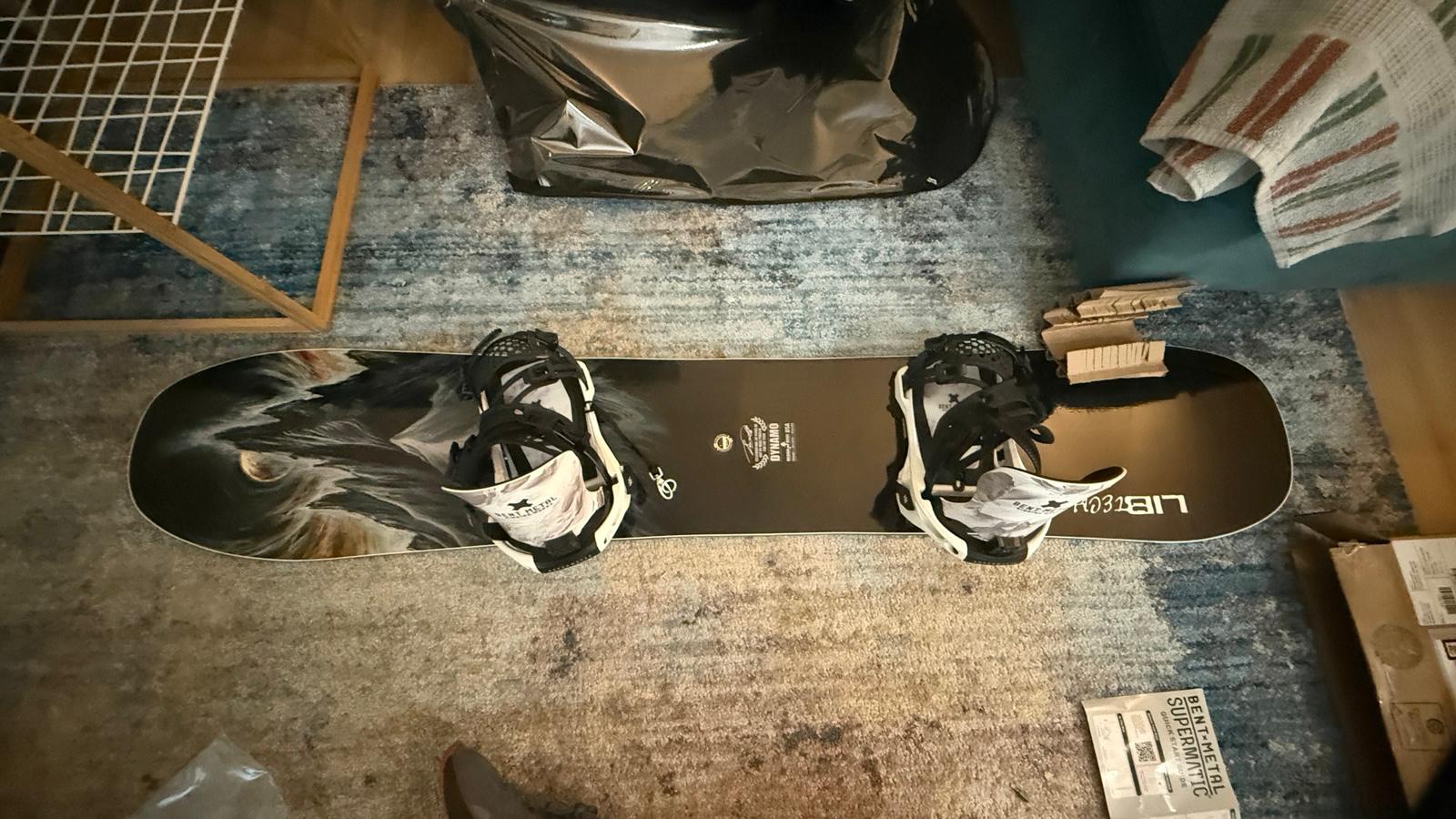
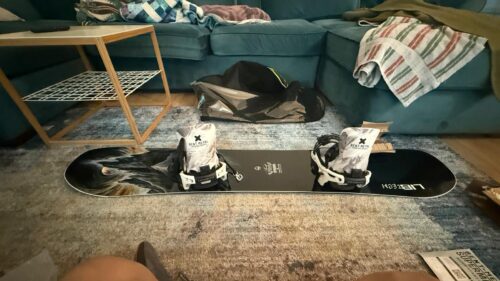
I tested the Bent Metal Supermatic “drop-in” system.

The Learning Curve: While the engagement mechanism wasn’t instant magic—it requires a specific motor pattern that takes practice—the biomechanical payoff was undeniable.

The Clinical Result: By eliminating the need to sit on cold snow or bend repeatedly at the waist, I maintained a neutral spine throughout the day. The cumulative fatigue on the posterior chain was significantly lower than with traditional setups.

2. The Environmental Variable: Managing “Ice Coast” Risk Today’s conditions were unforgiving: a solid sheet of ice. In rehab terms, we call this a “high-consequence environment.” A slip here isn’t just a fall; it’s a potential fracture.

The Result: Unlike traditional edges that wash out on micro-ice, this profile increases the contact surface area, effectively “biting” into the hardpack. This mechanical grip reduces the isometric strain on the lower leg stabilizers (peroneals) and drastically lowers the probability of an uncontrolled fall.

3. Impact Mitigation: The Case for Prophylactic Armor Perhaps the most critical component of this test was the integration of a full protective layer: Helmet, Wrist Guards, Hip Pads, and Knee Pads.

In the fitness industry, we often neglect “trauma prevention” in favor of “strength training,” but on ice, gravity is undefeated. 

The Pelvic Complex: Falling on ice generates massive impact forces through the greater trochanter and coccyx. The hip protection served to dissipate this force, preventing deep tissue contusions or bursitis that could sideline a client for weeks.

Distal Protection: Wrist guards mitigated the risk of FOOSH (Fall On Outstretched Hand) injuries—the #1 snowboard injury—while knee pads protected the patella during the inevitable learning curve of the new binding system.

Conclusion: Equipment as a Medical Intervention My field test confirmed that for the 35+ demographic, gear choice is not about style—it is a risk management strategy.

The Bindings preserve the back.

The Board prevents the fall.

The Armor mitigates the damage when the fall happens.

For my clients looking to stay active in high-risk sports, I can no longer recommend just “going out there.” I recommend a systems approach to gear that prioritizes longevity over everything else.

Lose Weight for Life: A Charlotte Trainer’s Longevity Guide

Lose Weight

The Science of Sustainable Weight Loss and Longevity

By Coach Michael Anders — Shape Up Fitness & Wellness Consulting, Charlotte, NC

Why a Healthy Weight Matters for Injury Prevention and Longevity

A healthy weight isn’t just about looks — it’s vital for injury recovery and long-term health. In turn, less excess weight means less joint stress and better performance. As an example, your strength-to-weight ratio improves, and so do speed and endurance Try this simple test: strap 25 lbs to yourself and go for a run — you’ll fatigue much faster. A good example for this would be doing push ups or pull ups, any excessive weight will make it increasingly more difficult for us to perform those exercises. Considering long-term, even getting off the toilet may become a challenge if having a weak body is paired with too much weight around the mid-section.

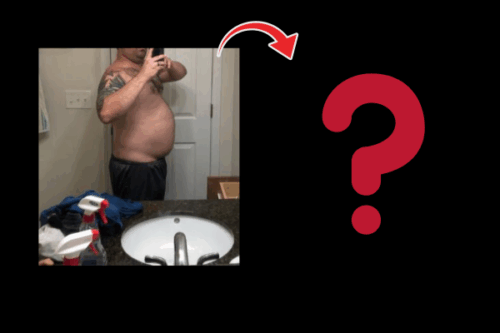
As a Charlotte personal trainer specializing in injury recovery and longevity, I see clients transform as excess weight comes off — strength rises, pain drops, and confidence returns. It is amazing to see when someone comes it at first and struggles with relatively easy exercises to then kick butt. Seeing that smile appear on their face is absolutely one of the most rewarding things to see!

Simple portion frameworks help you stay consistent in real life, even I as a trainer use this when going out.

The GLP-1 Era — and How to Succeed With or Without It

Okay, we all have friends that have lost a ton of weight while being on Ozempic and sport their new or old outfits. I totally get it. We live in the age of GLP-1 medications. Many people have used them now and have lost a ton of weight and feel a lot better. However, if you’re using them, build the habits now so your results last when you reduce or stop. For details, see my previous article on navigating GLP-1 inhibitors.

Disclaimer: This article is informational and does not create a client–trainer relationship. Consult your physician or dietitian before making changes to your health plan.

Which Diets Actually Work Long-Term (12–24 Months of Research)

Trends come and go — low-carb, low-fat, Mediterranean, high-protein — but the research is consistent: the best diet is the one you can stick to. So, when looking at diets over 12–24 months, weight-loss outcomes among popular diets are pretty similar.

Diet Type Typical 12–24 Month Weight Loss Notable Points
Low-Carbohydrate (e.g., Atkins, Keto) 4–7 kg (8.8–15.4 lbs) Slight early advantage; long-term similar to others
Low-Fat 4–6 kg (8.8–13.2 lbs) No long-term advantage over others
Mediterranean 4–7 kg (8.8–15.4 lbs) May improve heart health; similar weight loss
High-Protein 4–7 kg (8.8–15.4 lbs) May aid maintenance; modest effects
Group/Lifestyle Interventions 3–7 kg (6.6–15.4 lbs) Support and frequent contact improve outcomes

Why a Calorie Deficit Is the Foundation of All Weight Loss

No matter which way you try to skin a cat or lose weight, sustained weight loss requires a calorie deficit. Even with PCOS or other challenges, progress depends on energy balance — some of us simply need tighter systems to reach it. As painful as that can be, in the end eating less than you are putting out is what does the job, every single time.

Practical Portion Tools That Actually Help

Tool or Method Typical Use or Advice Weight-Loss Impact
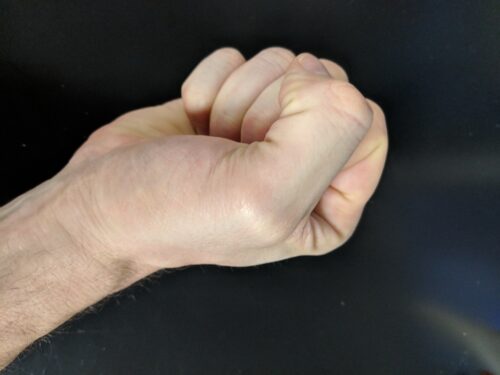
Hand-Based Guides Visual estimation (hand/fist/palm) Modest, supportive
Portion Control Plates Half veggies, quarter protein, quarter carbs Modest, supportive
Calibrated Utensils Measured serving spoons/cups Modest, supportive

These tools shine when eating out or estimating portions, and they work best when paired with support by learning more about nutrition as well as tools that help change behaviors that might lead to you eat too much, e.g. stress eating, boredom eating and so on.

Intermittent Fasting: Helpful, Not Magical

We all have this friend that insists intermittent fasting is the best thing since sliced bread…pun intended. The reality is, this is not so. It is not some magic bullet that fixes it all. Intermittent fasting can work because it helps some people eat fewer calories — not because it’s inherently superior.

When calories are matched, results are similar to other methods. That means, if it works for you, have fun, but otherwise find what serves you best. Personally, calories in vs. out works best for me. I have established that over years and worked on it. For others a specific diet might be better. It is okay! Just don’t become a holy roller and start preaching to others how your way is THE way! It is not, it is just yours. Get over yourself.

How to Stay Lean for 5 Years and Beyond

Long-term success comes from multicomponent lifestyle interventions: Well that is quite a mouthful here but really just means you learn more about nutrition and behaviors that lead to you to fall off the wagon.
You also want to be active on a regular basis, preferably with me as your coach, haha. A good suggestion here is about 3-7 hours of you moving per week.
We are not lone wolfs, we are group animals, so let’s face it having support by people, friends, partners is important. Shaping a new identity can help us and groups like a running club, cycling group, or a local fitness community come in handy— it doesn’t have to be a commercial program.

I tell clients: “I’m an obese person in a lean body.” I weigh my food daily for accountability — not obsession — to stay consistent in any training phase.

Medical & Surgical Options

  • GLP-1 medications (e.g., semaglutide, tirzepatide) often sustain 10–15% weight loss when paired with lifestyle changes.
  • Bariatric surgery remains the most effective for severe obesity, maintaining 20–30% loss over 5+ years (some regain is common).
  • Digital health tools (apps, trackers, coaching) reinforce accountability and maintenance.

8 Key Steps for Sustainable Weight Loss

  1. Choose a diet you can stick with long-term.
  2. Maintain a consistent calorie deficit.
  3. Favor minimally processed foods with adequate protein.
  4. Track portions (hand guides) or weigh your food.
  5. Exercise 3–7 hours per week.
  6. Sleep 7–9 hours nightly.
  7. Address stress and mental health barriers.
  8. Find social support (partner, group, or coaching).

Living in Charlotte? Make It Local and Sustainable

Life in Charlotte is busy — work, family, traffic, and everything in between. At Shape Up Fitness & Wellness Consulting in South Charlotte, we build practical, sustainable plans that fit your lifestyle, whether your goal is injury recovery, nutrition coaching, running performance, or lifelong strength.

The Real Cost of Neglect

“I don’t have time” is understandable — but neglect defers the cost to your future self with interest. Healthy living isn’t a guarantee against illness, but it shifts the odds and helps you live longer, stronger, and with higher quality of life.


Coach Michael Anders
Shape Up Fitness & Wellness Consulting Inc., Charlotte, NC
From Injury to Performance™

Book a consultation  •  Read more articles


Sources:

Jabbour, J., Rihawi, Y., Khamis, A., Ghamlouche, L., Tabban, B., Safadi, G., Hammad, N., Hadla, R., Zeidan, M., Andari, D., Azar, R., Nasser, N., & Chakhtoura, M. (2022). Long Term Weight Loss Diets and Obesity Indices: Results of a Network Meta-Analysis. Frontiers in Nutrition, 9. https://doi.org/10.3389/fnut.2022.821096.

Tobias, D., Chen, M., Manson, J., Ludwig, D., Willett, W., & Hu, F. (2015). Effect of Low-Fat vs. Other Diet Interventions on Long-Term Weight Change in Adults: A Systematic Review and Meta-Analysis. The lancet. Diabetes & endocrinology, 3, 968 – 979. https://doi.org/10.1016/S2213-8587(15)00367-8.

Curioni, C., & Lourenc, P. (2005). Long-term weight loss after diet and exercise: a systematic review. International Journal of Obesity, 29, 1168-1174. https://doi.org/10.1038/sj.ijo.0803015.

Borek, A., Abraham, C., Greaves, C., & Tarrant, M. (2018). Group-Based Diet and Physical Activity Weight-Loss Interventions: A Systematic Review and Meta-Analysis of Randomised Controlled Trials.. Applied psychology. Health and well-being, 10 1, 62-86 . https://doi.org/10.1111/aphw.12121.

Kim, J. (2020). Optimal Diet Strategies for Weight Loss and Weight Loss Maintenance. Journal of Obesity & Metabolic Syndrome, 30, 20 – 31. https://doi.org/10.7570/jomes20065.

Van Baak, M., & Mariman, E. (2019). Dietary Strategies for Weight Loss Maintenance. Nutrients, 11. https://doi.org/10.3390/nu11081916.

Atallah, R., Filion, K., Wakil, S., Genest, J., Joseph, L., Poirier, P., Rinfret, S., Schiffrin, E., & Eisenberg, M. (2014). Long-Term Effects of 4 Popular Diets on Weight Loss and Cardiovascular Risk Factors: A Systematic Review of Randomized Controlled Trials. Circulation: Cardiovascular Quality and Outcomes, 7, 815–827. https://doi.org/10.1161/CIRCOUTCOMES.113.000723.

Clifton, P., Keogh, J., & Noakes, M. (2008). Long-term effects of a high-protein weight-loss diet.. The American journal of clinical nutrition, 87 1, 23-9 . https://doi.org/10.1093/AJCN/87.1.23.

Chawla, S., Silva, T., Medeiros, S., Mekary, R., & Radenkovic, D. (2020). The Effect of Low-Fat and Low-Carbohydrate Diets on Weight Loss and Lipid Levels: A Systematic Review and Meta-Analysis. Nutrients, 12. https://doi.org/10.3390/nu12123774.

Jia, S., Liu, Q., Allman-Farinelli, M., Partridge, S., Pratten, A., Yates, L., Stevens, M., & McGill, B. (2022). The Use of Portion Control Plates to Promote Healthy Eating and Diet-Related Outcomes: A Scoping Review. Nutrients, 14. https://doi.org/10.3390/nu14040892.

Almiron-Roig, E., Majumdar, A., Vaughan, D., & Jebb, S. (2019). Exploring the Experiences of People with Obesity Using Portion Control Tools—A Qualitative Study. Nutrients, 11. https://doi.org/10.3390/nu11051095.

Almiron-Roig, E., Domínguez, A., Vaughan, D., Solis-Trapala, I., & Jebb, S. (2016). Acceptability and potential effectiveness of commercial portion control tools amongst people with obesity. British Journal of Nutrition, 116, 1974 – 1983. https://doi.org/10.1017/S0007114516004104.

Jayawardena, R., Swarnamali, H., Ranasinghe, P., & Hills, A. (2021). Impact of portion-control plates (PCP) on weight reduction: A systematic review and meta-analysis of intervention studies.. Obesity research & clinical practice. https://doi.org/10.1016/j.orcp.2021.01.008.

Kesman, R., Ebbert, J., Harris, K., & Schroeder, D. (2011). Portion control for the treatment of obesity in the primary care setting. BMC Research Notes, 4, 346 – 346. https://doi.org/10.1186/1756-0500-4-346.

Christoffersen, B., Sanchez-Delgado, G., John, L., Ryan, D., Raun, K., & Ravussin, E. (2022). Beyond appetite regulation: Targeting energy expenditure, fat oxidation, and lean mass preservation for sustainable weight loss. Obesity (Silver Spring, Md.), 30, 841 – 857. https://doi.org/10.1002/oby.23374.

Perdomo, C., Cohen, R., Sumithran, P., Clément, K., & Frühbeck, G. (2023). Contemporary medical, device, and surgical therapies for obesity in adults. The Lancet, 401, 1116-1130. https://doi.org/10.1016/S0140-6736(22)02403-5.

Wood, B., Lynch, D., Spangler, H., Roderka, M., Petersen, C., & Batsis, J. (2022). Long‐term weight change after a technology‐based weight loss intervention. Journal of the American Geriatrics Society, 71. https://doi.org/10.1111/jgs.18088.

Abeltino, A., Bianchetti, G., Serantoni, C., Riente, A., De Spirito, M., & Maulucci, G. (2024). Digital Biohacking Approach to Dietary Interventions: A Comprehensive Strategy for Healthy and Sustainable Weight Loss. Nutrients, 16. https://doi.org/10.3390/nu16132021.

Turkkila, E., Pekkala, T., Merikallio, H., Merikukka, M., Heikkilä, L., Hukkanen, J., Oinas-Kukkonen, H., Salonurmi, T., Teeriniemi, A., Jokelainen, T., & Savolainen, M. (2025). Five-year follow-up of a randomized weight loss trial on a digital health behaviour change support system. International Journal of Obesity (2005), 49, 949 – 953. https://doi.org/10.1038/s41366-025-01742-4.

Aderinto, N., Olatunji, G., Kokori, E., Olaniyi, P., Isarinade, T., & Yusuf, I. (2023). Recent advances in bariatric surgery: a narrative review of weight loss procedures. Annals of Medicine and Surgery, 85, 6091 – 6104. https://doi.org/10.1097/MS9.0000000000001472.

Lee, M., Shaffer, A., Alfouzan, N., Applegate, C., Hsu, J., Erdman, J., & Nakamura, M. (2024). Successful dietary changes correlate with weight‐loss outcomes in a new dietary weight‐loss program. Obesity Science & Practice, 10. https://doi.org/10.1002/osp4.764.

Chao, A., Quigley, K., & Wadden, T. (2021). Dietary interventions for obesity: clinical and mechanistic findings.. The Journal of clinical investigation, 131 1. https://doi.org/10.1172/JCI140065.

Zhang, Q., Zhang, C., Wang, H., , Z., Liu, D., Guan, X., Liu, Y., Fu, Y., Cui, M., & Dong, J. (2022). Intermittent Fasting versus Continuous Calorie Restriction: Which Is Better for Weight Loss?. Nutrients, 14. https://doi.org/10.3390/nu14091781.

Ezzati, A., Rosenkranz, S., Phelan, J., & Logan, C. (2022). The Effects of Isocaloric Intermittent Fasting vs. Daily Caloric Restriction on Weight loss and Metabolic Risk Factors for Non-communicable Chronic Diseases: A Systematic Review of Randomized Controlled or Comparative Trials.. Journal of the Academy of Nutrition and Dietetics. https://doi.org/10.1016/j.jand.2022.09.013.

Kim, J. (2020). Optimal Diet Strategies for Weight Loss and Weight Loss Maintenance. Journal of Obesity & Metabolic Syndrome, 30, 20 – 31. https://doi.org/10.7570/jomes20065.

Liu, D., Huang, Y., Huang, C., Yang, S., Wei, X., Zhang, P., Guo, D., Lin, J., Xu, B., Li, C., He, H., He, J., Liu, S., Shi, L., Xue, Y., & Zhang, H. (2022). Calorie Restriction with or without Time-Restricted Eating in Weight Loss.. The New England journal of medicine, 386 16, 1495-1504 . https://doi.org/10.1056/NEJMoa2114833.

Fleischer, J., Das, S., Bhapkar, M., Manoogian, E., & Panda, S. (2022). Associations between the timing of eating and weight-loss in calorically restricted healthy adults: Findings from the CALERIE study. Experimental Gerontology, 165. https://doi.org/10.1016/j.exger.2022.111837.


Navigating Weight Loss and GLP-1s: The Role of a Charlotte Personal Trainer

Diets come in many different flavors (see what I did there?) and losing weight is on most people’s minds at some point in their life. Nowadays, with GLP-1 inhibitors like Ozempic and Wegovy, that problem seems to have a new solution—if you can afford the medication. For many, the financial commitment is as much of a consideration as the side effects.

These medications do come with side effects though, and terms like “Ozempic mouth,” “Ozempic labia,” and “Ozempic gut” have cropped up.

What are those issues based on?

For the most part, they are caused not directly by the drug, but by the rapid weight loss it stimulates. That rapid weight loss often leads to a significant loss of muscle mass, with studies showing that up to 40% of the weight lost can be lean body mass. That’s a lot of muscle!

By the end of your weight loss journey, you might be skinny, weak, and feel like your skin fits about as well as a suit that is 3 sizes too large.

There are currently attempts to mitigate those muscle losses by combining the weight loss drug with another compound, but they are not FDA approved as of this moment.

So what can you do if you want to mitigate those effects? Because, let’s face it, no one wants a gaunt face, a turkey neck, or loose skin. This is where a Charlotte personal trainer can make all the difference.

The Charlotte Solution: Exercise and Protein

The good news is that you have a lot of control. Doing a regular exercise routine of about 360 min/week with the majority being strength training seems to significantly offset the loss of muscle mass. The same goes for upping your daily protein intake to about 2g/kg of body weight (that’s about 1g/lb). With a combined approach of high protein and exercise, muscle loss has been reduced to about 15% of the total weight lost.

A key takeaway is that exercise is absolutely crucial to maintaining body strength and muscle mass. Especially as we get older, building muscle is not as easy, and we want to preserve as much as we can.

So go out, lift heavy stuff, get your protein, make sure you sleep enough, and hope for the best if you are on a GLP-1!

The reality is that most people aren’t active for 6 hours a week. In fact, only about 20% of women and 28% of men are meeting the minimum recommended weekly activity levels.

The Missing Piece: Your Charlotte Fitness Partner

The current weekly recommended activity level is about 150 minutes a week of moderate-intensity cardiovascular activity, along with two days of strength training.

According to the Cleveland Clinic, moderate-intensity exercise includes activities like:

Walking two miles in 30 minutes.

Biking five miles in 30 minutes.

Swimming laps for 20 minutes.

Running one and a half miles in 15 minutes.

Doing water aerobics for 30 minutes.

Playing basketball for 20 minutes.

Jumping rope for 15 minutes.

Gardening for 30 to 45 minutes.

While these activities are a great start for a healthy lifestyle, they alone won’t be enough to offset the muscle loss caused by rapid weight loss. You need a dedicated, structured plan. This is where a professional personal trainer in Charlotte can help. We provide the expertise, accountability, and personalized strategy you need to build and maintain lean muscle mass while you lose weight.

Keeping the Weight Off: The Long-Term Strategy

What if you wanted to keep the weight off? Well, most of us are not keen on putting the pounds back on, even though me eating four mini snacks of M&Ms right now would strongly argue against that, lol.

The ugly truth is that staying on the GLP-1 inhibitors and exercising has the highest chance of maintaining the weight loss. It’s followed by a moderate maintenance in the exercise-only group. Not surprisingly, people who just did the drug and then stopped regained the most weight… who would have thought?

The path to long-term success is a serious commitment. Make sure you work on your nutrition quality and intake while on the drug. Focus on nutrient-rich but calorie-poor foods, aim for high protein intake, and rev up your exercise to about 4-6 hours a week. Lift heavy about 3-4 days a week, and do 2-3 days of cardiovascular exercise.

By prioritizing nutrition, protein, and strength training, you can significantly improve your results and feel stronger, not just smaller. For those in the Charlotte area, we’re here to guide you every step of the way.

Ready to get started on your weight loss journey the right way? Contact us at charlottepersonaltrainer.org for a free consultation and let’s build a plan that works for you.

Al-Badri, M., Askar, A., Khater, A., Salah, T., Dhaver, S., Al-Roomi, F., Mottalib, A., & Hamdy, O. (2024). 14-PUB: The Effect of Structured Intensive Lifestyle Intervention on Muscle Mass in Patients with Type 2 Diabetes Receiving GLP-1 Receptor Agonists. Diabetes. https://doi.org/10.2337/db24-14-pub.

Tinsley, G., & Heymsfield, S. (2024). Fundamental Body Composition Principles Provide Context for Fat-Free and Skeletal Muscle Loss With GLP-1 RA Treatments. Journal of the Endocrine Society, 8. https://doi.org/10.1210/jendso/bvae164.

Neeland, I., Linge, J., & Birkenfeld, A. (2024). Changes in lean body mass with glucagon‐like peptide‐1‐based therapies and mitigation strategies. Diabetes, 26, 16 – 27. https://doi.org/10.1111/dom.15728.

Linge, J., Birkenfeld, A., & Neeland, I. (2024). Muscle Mass and Glucagon-Like Peptide-1 Receptor Agonists: Adaptive or Maladaptive Response to Weight Loss?. Circulation, 150, 1288 – 1298. https://doi.org/10.1161/CIRCULATIONAHA.124.067676.

Sargeant, J., Henson, J., King, J., Yates, T., Khunti, K., & Davies, M. (2019). A Review of the Effects of Glucagon-Like Peptide-1 Receptor Agonists and Sodium-Glucose Cotransporter 2 Inhibitors on Lean Body Mass in Humans. Endocrinology and Metabolism, 34, 247 – 262. https://doi.org/10.3803/EnM.2019.34.3.247.

Mozaffarian, D., Agarwal, M., Aggarwal, M., Alexander, L., Apovian, C., Bindlish, S., Bonnet, J., Butsch, W., Christensen, S., Gianos, E., Gulati, M., Gupta, A., Horn, D., Kane, R., Saluja, J., Sannidhi, D., Cody, S., & Callahan, E. (2025). Nutritional Priorities to Support GLP-1 Therapy for Obesity: A Joint Advisory From the American College of Lifestyle Medicine, the American Society for Nutrition, the Obesity Medicine Association, and the Obesity Society.. American journal of lifestyle medicine, 15598276251344827 . https://doi.org/10.1177/15598276251344827.

Reiss, A., Gulkarov, S., Lau, R., Klek, S., Srivastava, A., Renna, H., & De Leon, J. (2025). Weight Reduction with GLP-1 Agonists and Paths for Discontinuation While Maintaining Weight Loss. Biomolecules, 15. https://doi.org/10.3390/biom15030408.

Jensen, S., Blond, M., Sandsdal, R., Olsen, L., Juhl, C., Lundgren, J., Janus, C., Stallknecht, B., Holst, J., Madsbad, S., & Torekov, S. (2024). Healthy weight loss maintenance with exercise, GLP-1 receptor agonist, or both combined followed by one year without treatment: a post-treatment analysis of a randomised placebo-controlled trial. eClinicalMedicine, 69. https://doi.org/10.1016/j.eclinm.2024.102475.

Why Assessing Your Baseline Fitness Matters (And How to Do It Right)

Let’s be honest—if you’re reading this, you’re probably not just looking to be a gym bro or a fitness model. Chances are, you’re either getting older or recovering from an injury, which means your goals go beyond aesthetics. You’re here to stay strong, functional, and healthy for the long haul.

Before diving headfirst into training, it’s smart to assess where you stand. Understanding your strengths and weaknesses can help you make progress more efficiently and avoid injuries. But don’t worry—you don’t need to “fix” everything before getting started. Often, these weak points can be improved as you train.

So, what key areas should you assess? Let’s break them down.


1. Sleep: The Foundation of Recovery

Are you getting 7-9 hours of sleep per night (preferably closer to nine)? More importantly, is it quality sleep? Ask yourself:

  • Do you wake up refreshed or groggy?
  • Do you snore? (If you do, a sleep study might be a good idea.)
  • Do you wake up more than once or twice a night?

If your sleep is subpar, your recovery, energy levels, and performance will take a hit. Some supplements can help, but sleep meds should be a last resort since they can negatively impact sleep quality and overall health.


2. Nutrition: You’re Probably Eating More (Or Less) Than You Think

A common complaint: “I don’t know why I’ve gained weight.”
Reality: Most of us are terrible at accurately recalling what (and how much) we eat.

Solution? Track your food.
For two weeks, keep a food diary or weigh your portions. You’ll quickly see:

  • Where you’re overdoing it.
  • What key nutrients you might be missing.
  • Simple ways to improve your diet.

3. Strength: The Key to a High-Quality Life

Strength is crucial—not just for aesthetics but for functional independence as you age. Here are a few simple strength tests to gauge where you stand:

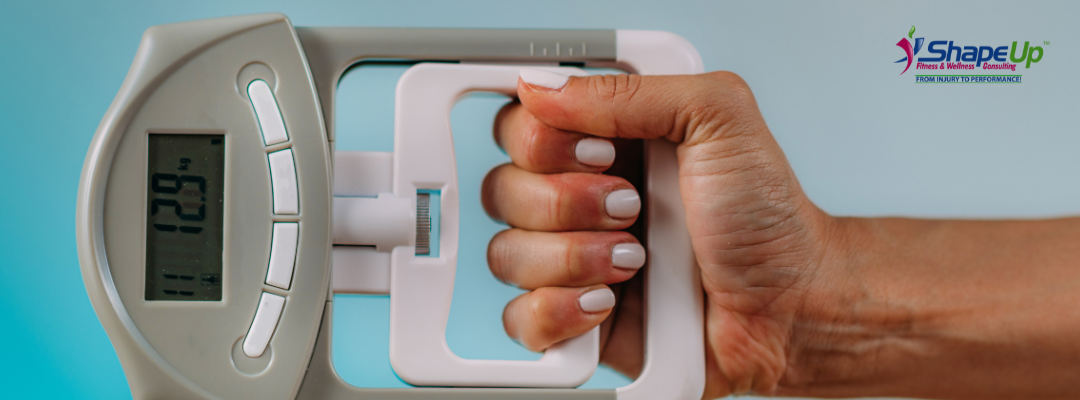
  • Handgrip Strength Test: A quick and reliable way to measure overall strength.
  • Push-Ups: A simple test for upper body endurance.
  • Chair Stand Test: Measures lower body strength—just stand up from a chair repeatedly for 30 seconds.
  • Standing Long Jump: A solid indicator of lower-body power (though maybe skip this if you have knee or hip issues).

You can find strength benchmarks online to compare yourself to others in your age group.


4. Endurance: Can You Keep Going?

You don’t need a fancy lab test to get a decent measure of your cardiovascular fitness. Try one of these:

  • 6-Minute Walk Test: Walk as far as possible in six minutes.
  • YMCA Step Test: Step up and down on an 8-inch step for three minutes, then measure your heart rate.
  • Cooper Test: Run for 12 minutes and measure your distance—this estimates your VO₂ max.

Not everyone needs to sprint like an athlete, but having some level of endurance is essential for overall health.


5. Balance: Don’t Skip This (Especially If You’re Over 40)

Balance declines with age, but you can improve it with training. Try these progressively harder tests:

  1. Stand on two feet, eyes open.
  2. Stand on two feet, eyes closed.
  3. Stand in a heel-to-toe stance, eyes open.
  4. Stand in a heel-to-toe stance, eyes closed.
  5. Stand on one leg, eyes open.
  6. Stand on one leg, eyes closed.

If you struggle with these, balance training should be a priority—it’s a key factor in preventing falls and injuries.


Do You Have to Do These Tests? Nope!

If you’re moving, you’re already doing something great for your health. But these tests can highlight areas you might not have noticed before, helping you train smarter.

Are these assessments perfect? Of course not! But they give you a solid starting point.


What to Do Next

Once you’ve identified any weaknesses, build your training plan accordingly:

  • Struggling with strength? Add resistance training.
  • Poor endurance? Work in more cardio.
  • Balance issues? Focus on stability drills.

And remember: sleep and nutrition are the foundations of your fitness. If those are off, your progress will be limited—so tackle them first.

For more specific guidance, don’t hesitate to consult a specialist. A little expert advice can go a long way in getting you where you want to be.

Some Test Norms:

Below you will find some tables regarding the grip strength test as well as the 6 min walk test

1. Handgrip Strength Norms

Handgrip strength is a reliable indicator of overall muscle function. The following tables present average values (in kilograms) for men and women across different age groups.

sralab.org

Men’s Handgrip Strength:

Age Group (Years)Right Hand (kg)Left Hand (kg)
20–2947.0 ± 9.545.0 ± 8.8
30–3947.0 ± 9.747.0 ± 9.8
40–4947.0 ± 9.545.0 ± 9.3
50–5945.0 ± 8.443.0 ± 8.3
60–6940.0 ± 8.338.0 ± 8.0
70+33.0 ± 7.832.0 ± 7.5

Women’s Handgrip Strength:

Age Group (Years)Right Hand (kg)Left Hand (kg)
20–2930.0 ± 7.028.0 ± 6.1
30–3931.0 ± 6.429.0 ± 6.0
40–4929.0 ± 5.728.0 ± 5.7
50–5928.0 ± 6.326.0 ± 5.7
60–6924.0 ± 5.323.0 ± 5.0
70+20.0 ± 5.819.0 ± 5.5

2. Six-Minute Walk Test (6MWT) Norms

The 6MWT measures the distance an individual can walk in six minutes, reflecting aerobic capacity and endurance. Below are average distances (in meters) covered by healthy adults, segmented by age and gender.

geriatrictoolkit.missouri.edu

Men’s 6MWT Distances:

Age Group (Years)Distance (meters)
60–69560 ± 49
70–79530 ± 48
80–89446 ± 61

Women’s 6MWT Distances:

Age Group (Years)Distance (meters)
60–69505 ± 45
70–79490 ± 48
80–89382 ± 66

Interpreting the Data:

  • Handgrip Strength: Values are presented as mean ± standard deviation. Your personal measurements can be compared to these averages to determine where you stand relative to your age and gender group.
  • 6MWT Distances: Distances are also shown as mean ± standard deviation. Walking distances below the lower end of the standard deviation range may indicate below-average endurance and could warrant further assessment or training.
You Should Do the Minimum: Optimize Your Workouts for Maximum Results

You Should Do the Minimum: Optimize Your Workouts for Maximum Results

When it comes to working out—and most things in life—less can often be more. It may sound counterintuitive, but the goal of fitness should be to optimize your training for maximum efficiency. That means focusing on the minimum effective dose to reach your goals without burning yourself out. Why? Because in fitness, you face diminishing returns as you increase your workout volume.

Understanding Diminishing Returns in Fitness

Let’s break it down: If you lift weights once a week and increase to twice a week, the improvement is significant. Add a third day, and you’ll still see progress, but the jump won’t be as substantial. This pattern continues with each additional workout—results keep coming, but the returns get smaller while fatigue builds.

The same principle applies to cardiovascular training. However, the key is understanding how to balance this diminishing return with your training needs.

The Sweet Spot for Beginners and Advanced Lifters

For beginners, you can get away with lifting two days a week and seeing phenomenal progress. At this stage, the body responds quickly to even small amounts of stimulus. Advanced lifters, on the other hand, may struggle to maintain their current level or only see marginal gains with the same amount of effort.

That’s why it’s perfectly okay to start with a lower volume of training. You don’t need to overdo it in the beginning. Try lifting twice a week, doing cardio twice a week, and focus on optimizing the basics: rest, sleep, and nutrition. By starting this way, you’ll avoid feeling overwhelmed, and the progress will be great.

How to Break Through Plateaus

As your body adapts, you’ll eventually hit a plateau. This is a normal part of the training process. When that happens, don’t panic! Instead, consider adding another training day or adjusting your routine. But remember, no matter how hard you train, if you’re not prioritizing rest and recovery, results will be limited.

So start with the minimum, listen to your body, and allow time for adaptation. Your training can grow as you do, allowing you to continue making progress without injury.

The Takeaway: Less Can Be More in Fitness

By doing the minimum effective dose, you can make significant gains, especially early in your fitness journey. As your body becomes accustomed to the workload, gradually increasing it will lead to continued progress. This approach not only protects you from burnout but also keeps your workouts sustainable in the long run.

What About You? Let’s Chat!

  • What has your training experience been like? Do you tend to go all-in, get injured, and then fall off, or have you learned to pace yourself?
  • Have you tried focusing on the minimum effective dose in your workouts? How has it worked for you?
  • How does this concept of doing just enough in training relate to other areas of your life—like your work, relationships, or learning new skills? Do you find a balance between effort and recovery?

I’d love to hear your thoughts in the comments! Share your experiences or any questions you have—let’s build a discussion around how we can make fitness work smarter, not harder.

Navigating the Sea of Nutrition Opinions

Nutrition Opinions

Nutrition is a topic with as many opinions as there are people on this planet. Surprisingly, the people who are often most trusted for nutritional advice are good friends, hairdressers, and random people on the street. On the other hand, dietitians, physicians, and nutritionists are often trusted the least, as they’re seen as working for “the man” or other nefarious organizations with villainous goals.

All joking aside, social media and the internet have not made it easier to distinguish scientifically sound information from less ideal advice. Every side claims to have all the evidence supporting their claims, and unless someone knows where to look and actually takes a peek at the science, they can quickly start believing things that are potentially harmful.

Since you don’t want to read a forever-long post, I will try to keep this short and concise and add a short guide at the end.

Which Diet is the Right Diet for You?

The diet you can stick to is the right diet. Studies have repeatedly shown that for weight loss, adherence is the most important factor regardless of the diet type (Sacks et al., 2009).

Which Diet is the Healthiest Diet?

The suggestion is to eat primarily a whole foods diet; foods with fewer ingredients are best. You don’t have to cut out whole food groups to be healthy and lose weight. You might be able to stick better to a low-carb diet, but cutting whole groups out can have negative effects on performance and potentially lead to malnutrition (Johnston et al., 2014).

If you are vegan, you may face challenges such as lower protein intake and potential vitamin B12 deficiency, which is crucial for health (Key et al., 2006). This does not necessarily mean you cannot follow these diets, but you might have to be careful to avoid creating other issues that might negatively impact your health.

Goals and Nutrition: Tailoring Your Diet

1. Weight Loss:

  • Higher Protein Intake: Maintaining a higher protein intake while reducing overall food intake supports weight loss (Leidy et al., 2015).
  • Whole Foods: Focus on whole foods with plenty of protein and vegetables. Go lighter on fats and carbs, but there’s no need to avoid them entirely.
  • Avoid Snacking: Cut out snacking if possible but ensure sufficient food during meals.
  • Reduce Alcohol: Limit alcohol consumption.

Food Intake Based on 4 Meals/Day; Females/Males:

  • Carbohydrates: ½ cupped handful / 1 cupped handful per meal
  • Protein: 1 palm size / 2 palm sizes per meal
  • Fats: 1 thumb size / 2 thumb sizes per meal
  • Veggies: 1 fist size / 2 fist sizes per meal

2. Muscle Gain:

  • Increase Overall Intake: Your overall intake must be larger than your daily needs by about 250 kcal/day (Garthe et al., 2013). Expect some weight gain, but you will build muscle mass.
  • Higher Carbs for Training: Increased carbohydrate intake supports harder training sessions.
  • Protein, Protein, Protein: Aim for about 0.8-1.1g/lb of body weight per day (Morton et al., 2018).

Food Intake Based on 4 Meals/Day; Females/Males:

  • Carbohydrates: 1 ½ cupped handfuls / 3 cupped handfuls per meal
  • Protein: 1 ½ palm size / 3 palm sizes per meal
  • Fats: 1 ½ thumb size / 3 thumb sizes per meal
  • Veggies: 1 fist size / 2 fist sizes per meal

3. Maintaining Fitness:

  • Slightly Higher Carbs and Fats: For those looking to stay fit and lean, maintain a slightly higher intake of carbs and fats than those aiming for weight loss.

Food Intake Based on 4 Meals/Day; Females/Males:

  • Carbohydrates: 1 ½ cupped handful / 2 cupped handfuls per meal
  • Protein: 1 ½ palm size / 2 ½ palm sizes per meal
  • Fats: 1 thumb size / 2 thumb sizes per meal
  • Veggies: 1 fist size / 2 fist sizes per meal

Flexibility and Adjustments

These recommendations are not set in stone. They are a starting point from which you will need to make adjustments based on your progress.

This approach has worked well for clients and me in the past. It is easily implemented and works well even when eating out.

Personally, I have switched to tracking calories and protein intake. It is neither right nor wrong; it happens to be more accurate for me currently.

Beyond the Basics

This article does not address all areas of nutrition, such as gut microbiome, fiber, vitamins, and supplementation. These aspects become important once you have mastered the basics. Addressing them first is like mowing the lawn while the house burns down. Let’s get the basics down before working on these things.

Conclusion

How do you handle your nutrition?


References

  • Garthe, I., Raastad, T., Refsnes, P. E., Koivisto, A., & Sundgot-Borgen, J. (2013). Effect of nutritional intervention on body composition and performance in elite athletes. Medicine & Science in Sports & Exercise, 45(2), 349-359.
  • Johnston, B. C., Kanters, S., Bandayrel, K., Wu, P., Naji, F., Siemieniuk, R. A., Ball, G. D. C., Busse, J. W., Thorlund, K., Guyatt, G., Jansen, J. P., & Mills, E. J. (2014). Comparison of weight loss among named diet programs in overweight and obese adults: a meta-analysis. JAMA, 312(9), 923-933.
  • Key, T. J., Appleby, P. N., Rosell, M. S. (2006). Health effects of vegetarian and vegan diets. Proceedings of the Nutrition Society, 65(1), 35-41.
  • Leidy, H. J., Clifton, P. M., Astrup, A., Wycherley, T. P., Westerterp-Plantenga, M. S., Luscombe-Marsh, N. D., Woods, S. C., & Mattes, R. D. (2015). The role of protein in weight loss and maintenance. The American Journal of Clinical Nutrition, 101(6), 1320S-1329S.
  • Morton, R. W., Murphy, K. T., McKellar, S. R., Schoenfeld, B. J., Henselmans, M., Helms, E., Aragon, A. A., Devries, M. C., Banfield, L., Krieger, J. W., & Phillips, S. M. (2018). A systematic review, meta-analysis, and meta-regression of the effect of protein supplementation on resistance training-induced gains in muscle mass and strength in healthy adults. British Journal of Sports Medicine, 52(6), 376-384.
  • Sacks, F. M., Bray, G. A., Carey, V. J., Smith, S. R., Ryan, D. H., Anton, S. D., McManus, K., Champagne, C. M., Bishop, L. M., Laranjo, N., Leboff, M. S., Rood, J. C., de Jonge, L., Greenway, F. L., Loria, C. M., Obarzanek, E., Williamson, D. A., & Wing, R. R. (2009). Comparison of weight-loss diets with different compositions of fat, protein, and carbohydrates.New England Journal of Medicine, 360(9), 859-873.

Aging: Boost Strength & Heart Health

In my last blog article, I discussed the critical role sleep plays in performance, injury prevention, and longevity. Today, I turn our attention to the other vital pillars that support your health, mental well-being, and, most importantly, Aging: Boost Strength & Heart Health,longevity.

Longevity, in my perspective, doesn’t simply equate to an increased lifespan. Advancements in medicine have indeed enabled us to live longer than previous generations, but at what cost?

For me, true longevity means avoiding a future in an assisted living or nursing home; instead, I envision a vibrant, active lifestyle that includes being physically active, traveling, potentially continuing work as a trainer, and spending quality time with family and future grandchildren.

To prepare for this future, we must understand how aging affects us. Here’s some data on the topic:

Effects of Aging on You

Muscle mass diminishes by 3-5% per decade after the age of 30, a condition known as sarcopenia.

Muscle Strength

Muscle strength wanes by approximately 1.5% per year in your sixties and accelerates to about 3% annually thereafter.

What do these figures mean in practical terms? If a 30-year-old can lift 30 lbs, which suffices for stowing a carry-on in an overhead bin, this strength could diminish as follows, assuming an average annual decline of 2% starting at age 30:

  • By age 40, strength might drop to about 80% of its original level, reducing the lifting capacity to approximately 24 lbs.
  • By age 50, one might only retain about 64% of their original strength, equating to lifting around 19 lbs.
  • At age 60, the capability might further decline to about 51%, meaning lifting only about 15 lbs.

Bear in mind, this decline isn’t strictly linear and varies significantly based on lifestyle, diet, and exercise habits, but it illustrates the general trend.

Cardiovascular Fitness

VO2 max, the maximum amount of oxygen the body can utilize during exercise, lessens by about 10% per decade after age 30. Maximal heart rate also decreases.

Many overlook cardiovascular fitness compared to strength, but I rank it just as highly. Cardiovascular capacity is partially responsible for how quickly you fatigue, whether you can dash through an airport when late, or climb stairs without getting winded.

Flexibility and Balance

With age, flexibility typically wanes, and balance deteriorates, significantly impacting the risk of falls after 70. The CDC reports that falls are the leading cause of injury-related deaths in adults over 65, with mortality rates rising with age. The one-year mortality rate after a hip fracture can soar to an astonishing 20-30%.

What Does This Mean for You?

There’s both good and bad news. While all these facets of physical fitness are trainable, and training can profoundly affect other well-being factors, like cardiovascular health and the risk of Alzheimer’s and diabetes, it also means that ignoring these aspects of well-being isn’t a viable option.

When Should I Do Something About It?

The best time was yesterday! Starting early to build a strong foundation is crucial.

Optimal Physical Activity Levels

Ideally, you should engage in 4 hours of Cardiovascular Training in Zone 2, and about 30 minutes of Zone 5 training weekly (more on this in my next article).

Strength Training should ideally encompass 4 sessions of 45-60 minutes each, including stability and balance training.

Minimum Training Requirements

While aiming for the optimal training levels is ideal, the minimum recommendation would be two Zone 2 workouts of about 45 minutes each and one Zone 5 workout of 30 minutes per week for cardiovascular health. For strength, stability, and balance, the minimum would be three 30-minute sessions weekly.

Summary

Exercise isn’t merely for vanity; it’s a cornerstone of living a high-quality life into old age. Too many people retire only to spend their days addressing health issues stemming from a sedentary lifestyle.

Regular exercise, purposefully undertaken, increases your chances of a vibrant life in your later years. Take my 80-year-old father as an example: by maintaining a rigorous routine of lifting, cardiovascular training, volleyball, and group exercises, he defies the conventions of aging.

So, what path will you choose for yourself?

Warm regards,

Your Coach,

Michael Anders

  1. Sarcopenia and Muscle Loss with Aging:
    • Cruz-Jentoft, A. J., Bahat, G., Bauer, J., Boirie, Y., Bruyère, O., Cederholm, T., … & Zamboni, M. (2019). Sarcopenia: revised European consensus on definition and diagnosis. Age and ageing, 48(1), 16-31. PubMed
    • Peterson, M. D., Rhea, M. R., Sen, A., & Gordon, P. M. (2010). Resistance exercise for muscular strength in older adults: a meta-analysis. Ageing Research Reviews, 9(3), 226-237. ScienceDirect
  2. Decline in Muscle Strength:
    • Goodpaster, B. H., Park, S. W., Harris, T. B., Kritchevsky, S. B., Nevitt, M., Schwartz, A. V., … & Newman, A. B. (2006). The loss of skeletal muscle strength, mass, and quality in older adults: the health, aging and body composition study. The Journals of Gerontology Series A: Biological Sciences and Medical Sciences, 61(10), 1059-1064. Oxford Academic
  3. Cardiovascular Fitness (VO2max Decline):
    • Betik, A. C., & Hepple, R. T. (2008). Determinants of VO2 max decline with aging: an integrated perspective. Applied Physiology, Nutrition, and Metabolism, 33(1), 130-140. NRC Research Press
  4. Flexibility and Balance:
    • Granacher, U., Muehlbauer, T., Gollhofer, A., Kressig, R. W., & Zahner, L. (2012). An intergenerational approach in the promotion of balance and strength for fall prevention–a mini-review. Gerontology, 58(5), 446-457. Karger
  5. Falls and Mortality Rates Among Older Adults:
    • Centers for Disease Control and Prevention (CDC). (2023). Older Adult Fall Prevention. CDC. CDC
    • Haentjens, P., Magaziner, J., Colón-Emeric, C. S., Vanderschueren, D., Milisen, K., Velkeniers, B., & Boonen, S. (2010). Meta-analysis: excess mortality after hip fracture among older women and men. Annals of internal medicine, 152(6), 380-390. Annals of Internal Medicine
  6. Physical Activity Recommendations:
    • Piercy, K. L., Troiano, R. P., Ballard, R. M., Carlson, S. A., Fulton, J. E., Galuska, D. A., … & Olson, R. D. (2018). The physical activity guidelines for Americans. JAMA, 320(19), 2020-2028. JAMA

Unlocking Health: The Importance of Sleep

Revealing Health: The Importance of Sleep

I realize the title seems like complete clickbait, but disclosing the topic might have prompted you to overlook on Unlocking Health: The Importance of Sleep. I hope to pique your interest in a crucial subject underlying many of our problems: sleep deprivation.

Are you someone who professes to function well on minimal sleep? Research might surprise you. Matthew Walker, a renowned sleep researcher and author of “Why We Sleep,” asserts that nearly everyone needs adequate sleep, contradicting claims of optimal functionality on minimal rest.

Most people require between 7 and 9.5 hours of sleep, with the average American getting approximately 6.8 hours, inadvertently accumulating sleep debt. Furthermore, being in bed from 11 PM to 6 AM does not equate to seven hours of quality sleep, leaving many hovering around the national average.

Cognitive and Psychological Impact:

Lack of sleep profoundly impacts cognitive and psychological health, reducing alertness, attentiveness, decision-making abilities, and elevating risk-taking behaviors. It magnifies irritability, moodiness, anxiety, and depression, significantly impacting emotional well-being.

Health Consequences:

Sleep deprivation compromises immune function, increases susceptibility to infections, and augments risks for hypertension, stroke, and coronary artery disease. It impedes weight loss efforts and predisposes individuals to weight gain, with the lost weight likely being lean muscle mass.

Social and Occupational Ramifications:

Insufficient sleep affects academic and occupational performance, productivity, and impairs social interactions due to reduced ability to read social cues. It also increases the propensity for substance use and poses long-term risks, including Alzheimer’s, Parkinson’s, and a shortened lifespan due to cumulative health issues.

Conclusion:

Understanding and prioritizing sleep is paramount for maintaining optimal cognitive, psychological, and physical health. Integrating healthy sleep patterns can prevent numerous adverse health outcomes and enhance overall quality of life.

Walker, M. P. (2009). The role of sleep in cognition and emotion. Annals of the New York Academy of Sciences, 1156, 168-197.

Lim, J., & Dinges, D. F. (2010). A meta-analysis of the impact of short-term sleep deprivation on cognitive variables. Psychological Bulletin, 136(3), 375-389.

Venkatraman, V., Chuah, Y. M., Huettel, S. A., & Chee, M. W. (2007). Sleep deprivation elevates expectation of gains and attenuates response to losses following risky decisions. Sleep, 30(5), 603-609.

Zohar, D., Tzischinsky, O., Epstein, R., & Lavie, P. (2005). The effects of sleep loss on medical residents’ emotional reactions to work events: a cognitive-energy model. Sleep, 28(1), 47-54.

Baglioni, C., Battagliese, G., Feige, B., Spiegelhalder, K., Nissen, C., Voderholzer, U., … & Riemann, D. (2011). Insomnia as a predictor of depression: a meta-analytic evaluation of longitudinal epidemiological studies. Journal of Affective Disorders, 135(1-3), 10-19.

Irwin, M. R. (2019). Sleep and inflammation: partners in sickness and in health. Nature Reviews Immunology, 19(11), 702-715.

Cappuccio, F. P., Cooper, D., D’Elia, L., Strazzullo, P., & Miller, M. A. (2011). Sleep duration predicts cardiovascular outcomes: a systematic review and meta-analysis of prospective studies. European Heart Journal, 32(12), 1484-1492.

Knutson, K. L., Spiegel, K., Penev, P., & Van Cauter, E. (2007). The metabolic consequences of sleep deprivation. Sleep medicine reviews, 11(3), 163-178.

Curcio, G., Ferrara, M., & De Gennaro, L. (2006). Sleep loss, learning capacity, and academic performance. Sleep medicine reviews, 10(5), 323-337.

Hafner, M., Stepanek, M., Taylor, J., Troxel, W. M., & Van Stolk, C. (2017). Why sleep matters—The economic costs of insufficient sleep. RAND Corporation.

Van Der Helm, E., Gujar, N., & Walker, M. P. (2010). Sleep deprivation impairs the accurate recognition of human emotions. Sleep, 33(3), 335-342.

Wong, M. M., Brower, K. J., & Zucker, R. A. (2011). Sleep problems, suicidal ideation, and self-harm behaviors in adolescence. Journal of Psychiatric Research, 45(4), 505-511.

Ju, Y. E., Lucey, B. P., & Holtzman, D. M. (2014). Sleep and Alzheimer disease pathology—a bidirectional relationship. Nature Reviews Neurology, 10(2), 115-119.

Cappuccio, F. P., D’Elia, L., Strazzullo, P., & Miller, M. A. (2010). Sleep duration and all-cause mortality: a systematic review and meta-analysis of prospective studies. Sleep, 33(5), 585-592.

Seraphinite AcceleratorOptimized by Seraphinite Accelerator
Turns on site high speed to be attractive for people and search engines.