 Skip to content
The Longevity Protocol: A Systems Approach to Winter Sports Injury Prevention
Field Notes: Testing Ergonomics, Traction, and Impact Mitigation on the "Ice Coast"
Introduction: The Aging Athlete’s Dilemma As a studio owner and rehab specialist, I preach that “movement is medicine,” but we must acknowledge that the margin for error shrinks as we age. For the middle-aged population, the goal of winter sports shifts from pure performance to performance with preservation.
This weekend, I conducted a field test on the East Coast under classic “freeze-thaw” conditions—warm temps followed by a hard freeze. This created a treacherous, icy surface that served as the perfect laboratory to test a comprehensive injury prevention system: Ergonomics (Bindings), Traction (Board), and Impact Mitigation (Protective Armor).
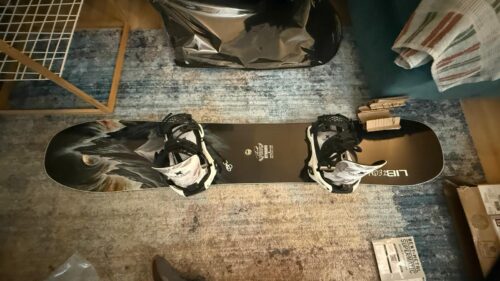
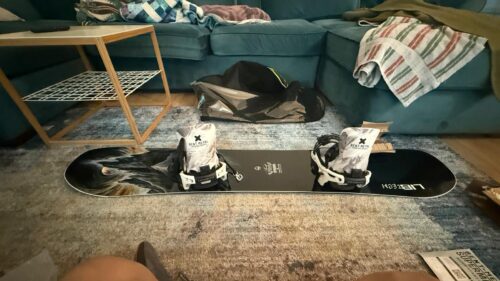
1. The Ergonomic Variable: Reducing the “Flexion Moment” My first focus was the lumbar spine. Traditional snowboarding requires deep, repeated lumbar flexion (bending over) to ratchet bindings, often 20+ times a day. For a client with a history of disc issues, this is the mechanism of injury.
I tested the Bent Metal Supermatic “drop-in” system.
The Learning Curve: While the engagement mechanism wasn’t instant magic—it requires a specific motor pattern that takes practice—the biomechanical payoff was undeniable.
The Clinical Result: By eliminating the need to sit on cold snow or bend repeatedly at the waist, I maintained a neutral spine throughout the day. The cumulative fatigue on the posterior chain was significantly lower than with traditional setups.
2. The Environmental Variable: Managing “Ice Coast” Risk Today’s conditions were unforgiving: a solid sheet of ice. In rehab terms, we call this a “high-consequence environment.” A slip here isn’t just a fall; it’s a potential fracture.
The Result: Unlike traditional edges that wash out on micro-ice, this profile increases the contact surface area, effectively “biting” into the hardpack. This mechanical grip reduces the isometric strain on the lower leg stabilizers (peroneals) and drastically lowers the probability of an uncontrolled fall.
3. Impact Mitigation: The Case for Prophylactic Armor Perhaps the most critical component of this test was the integration of a full protective layer: Helmet, Wrist Guards, Hip Pads, and Knee Pads.
In the fitness industry, we often neglect “trauma prevention” in favor of “strength training,” but on ice, gravity is undefeated.
The Pelvic Complex: Falling on ice generates massive impact forces through the greater trochanter and coccyx. The hip protection served to dissipate this force, preventing deep tissue contusions or bursitis that could sideline a client for weeks.
Distal Protection: Wrist guards mitigated the risk of FOOSH (Fall On Outstretched Hand) injuries—the #1 snowboard injury—while knee pads protected the patella during the inevitable learning curve of the new binding system.
Conclusion: Equipment as a Medical Intervention My field test confirmed that for the 35+ demographic, gear choice is not about style—it is a risk management strategy.
The Bindings preserve the back.
The Board prevents the fall.
The Armor mitigates the damage when the fall happens.
For my clients looking to stay active in high-risk sports, I can no longer recommend just “going out there.” I recommend a systems approach to gear that prioritizes longevity over everything else.
- 0 Comments


