
Buy Clomid Online in the United States – Fast and Secure Ordering
- Home/
- Buy Clomid Online in the United States – Fast and Secure Ordering
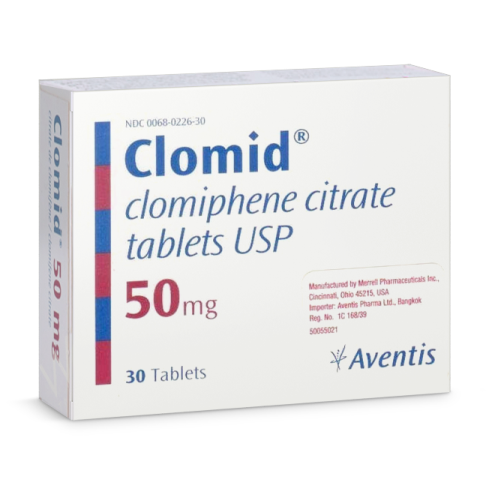
| Product name | Clomid |
|---|---|
| Main compound | Clomiphene citrate |
| Primary use | Induction of ovulation in women with infertility |
| Strengths available | 50 mg tablets (most common), sometimes 25 mg |
| Typical time to begin working | 5–10 days after starting a treatment cycle |
| How long does it act? | One ovulatory cycle (variable, usually 1–2 weeks per course) |
| How to take | Short daily course, typically 5 days at the start of the menstrual cycle |
| Regulatory status in United States | Prescription-only, approved by FDA |
| Estimated price (US) | $9–$30 per cycle (generic), varies by pharmacy |
Clomid for Female Infertility: Pathways, Suitability, and Access in United States
Clomid, containing clomiphene citrate, is a prescription medication designed to stimulate ovulation in women who experience infertility due to irregular or absent ovulation. Widely available in the United States with a doctor’s prescription, it serves as a first-line treatment for certain causes of female infertility. Understanding whether Clomid is the right option for your personal situation requires a look at its role, effectiveness, and how it fits into the broader context of fertility care.
Infertility Is Common—and Treatable
Female infertility affects many individuals and couples, cutting across age and background, and is more prevalent than often acknowledged. According to the Centers for Disease Control and Prevention (CDC), in 2018, approximately 12% of women of reproductive age in the United States had difficulty getting pregnant or carrying a pregnancy to term. The World Health Organization (WHO, 2023) estimates that globally, around 1 in 6 adults experience infertility at some point in their lives. These numbers underscore two key realities: first, you are far from alone in facing fertility challenges; and second, effective treatments are available—of which Clomid is one of the best studied and most accessible.
How Clomid Addresses Female Infertility: Mechanism and Outcomes
Clomid works by prompting the body to begin or restore ovulation—the monthly release of an egg necessary for conception. The medication acts at the level of the hypothalamus, a small region in the brain that regulates hormone release. Normally, the hypothalamus produces gonadotropin-releasing hormone (GnRH), which signals the pituitary gland to secrete follicle-stimulating hormone (FSH) and luteinizing hormone (LH). These hormones, in turn, stimulate the ovaries to mature and release an egg.
- In women with ovulatory dysfunction: Clomid blocks estrogen receptors in the brain, making the body “think” estrogen levels are low. This leads to increased production of FSH and LH, kickstarting the ovulation process.
- For many women: This results in an ovulatory cycle—meaning an egg is released—within about 7–10 days of completing a course of Clomid. For some, this means a chance to conceive in the first cycle; for others, it may require several cycles.
In practical terms, you may notice a predictable menstrual cycle after starting Clomid, or experience ovulation-related symptoms (such as mild pelvic discomfort or mid-cycle spotting). Most women who respond to Clomid will ovulate within the first three cycles. According to the American Society for Reproductive Medicine (ASRM), 2017, approximately 70–80% of women with ovulatory disorders will ovulate on Clomid, and about 30–40% will achieve pregnancy within six cycles. These figures show that while Clomid improves the likelihood of conception for many, it does not guarantee pregnancy for everyone—especially if other infertility factors are present.
Does Clomid Suit Your Situation?
| Scenario | Is Clomid suitable? | Rationale |
|---|---|---|
| You have irregular or absent periods and have been diagnosed with anovulation (e.g., due to PCOS) | Yes | Clomid is designed to restore ovulation and is considered first-line therapy for this group. |
| Your partner’s sperm analysis is normal, and your fallopian tubes are healthy | Yes | Clomid works best when other major fertility factors have been ruled out. |
| You have unexplained infertility after other evaluations are normal | Possibly | Clomid is sometimes used empirically, often in combination with other treatments. |
| You have blocked fallopian tubes, severe male factor infertility, or diminished ovarian reserve | No | Clomid will not address these barriers; in-vitro fertilization or specialist care may be required. |
| You have tried Clomid for 6 cycles with no ovulation or pregnancy | No | Lack of response suggests another diagnosis or need for advanced fertility treatments. |
The above scenarios reflect common decision points. For many women with ovulatory dysfunction—and no other complicating factors—Clomid is an appropriate and practical first step. However, it is critical to confirm, with your reproductive endocrinologist or OB/GYN, that you meet the criteria for use and that other causes of infertility have been evaluated. Not every woman with infertility will benefit from Clomid, and inappropriate use may delay access to the right therapy.
How to Use Clomid: Real-World Guidance and What to Expect
- When to start: Clomid is typically started on day 3, 4, or 5 of your menstrual cycle; your doctor will advise you on the exact day.
- How to take it: One tablet (usually 50 mg) is taken daily for 5 consecutive days. Some women may require higher doses as prescribed.
- With or without food: Clomid can be taken with or without food, at the same time each day to maintain consistency.
- During treatment: Your doctor may monitor you by ultrasound or bloodwork to assess response and adjust dosing as needed.
- If you miss a dose: Take it as soon as you remember within the same day. If a day is missed entirely, do not double up the next day; contact your provider for instructions.
- If you do not ovulate: If no ovulation occurs after one cycle, your clinician may increase the dose in subsequent cycles, up to a predefined maximum. Persistent non-response usually signals the need for alternative evaluation.
- What is normal? Mild symptoms like hot flashes, bloating, headaches, or breast tenderness are relatively common and usually resolve on their own. Some women notice changes in cervical mucus or slight abdominal discomfort around the time of ovulation.
- When to seek help: Severe pelvic pain, rapid weight gain, visual changes, or symptoms suggestive of ovarian hyperstimulation are not normal—contact your healthcare provider promptly.
Expert tip from Dr. Jessica Lin, MD, Reproductive Endocrinologist (United States): “Clomid is safe and effective for many women, but it’s more than just taking a pill—timing, monitoring, and clear communication with your fertility team are vital. Don’t hesitate to ask questions about your dosing or response. If you’re unsure whether you’ve ovulated, simple bloodwork or ultrasound can give you and your doctor the answers you need.”
Is Clomid Safe? Contraindications You Should Know
- Liver disease: Clomid is not recommended for women with active or uncontrolled liver problems because impaired liver function increases the risk of medication buildup and toxicity.
- Unexplained uterine or ovarian bleeding: Use is contraindicated until the cause is diagnosed, as some bleeding may signal malignancy or structural problems that Clomid cannot address.
- Ovarian cysts (not due to PCOS): Clomid may worsen certain types of ovarian cysts by stimulating further enlargement.
- Pregnancy: Clomid is not to be used if you are already pregnant, as there is no benefit and potential risk to fetal development.
- Hypersensitivity to clomiphene or excipients: Allergic reactions can occur in rare cases, and use should be discontinued if suspected.
The logic behind these exclusions centers on minimizing risk: Clomid’s impact on hormones and ovaries makes it unsafe in these specific medical situations. If you fall into any of these categories, discuss other fertility options with your specialist.
What Side Effects Might Occur with Clomid?
| Side effect | How common | What to do |
|---|---|---|
| Hot flashes | Common (up to 10–20%) | Usually mild and resolve on their own—no treatment needed. |
| Bloating and pelvic discomfort | Occasional | Monitor; if severe or worsening, contact your doctor. |
| Headache, mood swings | Occasional | Mild; report if persistent or disruptive to daily life. |
| Visual disturbances (blurry vision, spots) | Rare | Stop medication and notify your provider immediately. |
| Ovarian hyperstimulation syndrome (OHSS) | Rare | Symptoms such as severe abdominal pain, rapid weight gain, shortness of breath, or swelling require urgent evaluation. In the United States, call 911 in case of severe symptoms or the Poison Help line at 1-800-222-1222 if you suspect an overdose or adverse reaction. |
| Multiple pregnancies (twins or more) | Increased risk (5–10%) | Discuss risks and monitoring with your clinician in advance. |
Most women tolerate Clomid well, but rare side effects can be serious. If you experience any sudden, severe symptoms—especially vision changes, severe pelvic pain, or difficulty breathing—seek immediate medical attention.
Clomid and Other Medications: Interactions to Consider
While Clomid is not known for significant drug-drug interactions, certain medications and supplements can influence its effectiveness or safety:
- Hormonal contraceptives: Birth control pills and some hormone therapies will prevent Clomid from working by suppressing ovulation.
- Other fertility medications: Combining Clomid with injectable gonadotropins or letrozole should be done only under specialist supervision to avoid excessive ovarian stimulation.
- Medications affecting liver enzymes: Some drugs (such as certain antifungals or anticonvulsants) may alter clomiphene metabolism; inform your provider about all medicines you take.
Your fertility specialist will review your medication list before prescribing Clomid. Never start, stop, or combine fertility medications without medical advice.
Alternatives to Clomid: When and Why to Consider Other Options
Clomid is often the entry point for treating ovulatory infertility, but it is not the only option. For some women, alternative medications or procedures may offer greater success or fewer side effects. Here’s how Clomid compares to common alternatives:
| Option | Main use | Strengths | Limitations |
|---|---|---|---|
| Clomid (clomiphene citrate) | Inducing ovulation in anovulatory women | Oral, affordable, well-studied, widely available | Not effective if tubes are blocked, risk of multiple pregnancies, side effects for some |
| Letrozole (Femara) | Ovulation induction, especially in PCOS | Fewer side effects, lower risk of multiple births, sometimes higher live birth rates in PCOS | Off-label for infertility in US; less data for non-PCOS cases |
| Injectable gonadotropins | For women not responding to oral agents | Higher chance of ovulation per cycle, used in advanced treatments | Require daily injections, higher cost, intensive monitoring, increased risk of OHSS |
| IVF (in vitro fertilization) | Severe or complex infertility | Bypasses tubal or severe male factor issues, highest success rates in selected cases | Expensive, invasive, not first-line for simple ovulatory dysfunction |
Clomid is generally the best starting point for women with confirmed anovulation and otherwise normal fertility evaluations. Women with PCOS may also consider letrozole, which is increasingly used in US fertility clinics. If you do not ovulate with Clomid, or if other significant infertility factors are present, your doctor will guide you to more advanced therapies.
Access, Cost, and What to Expect When Buying Clomid in the United States
| Expense item | Estimated amount (USD) | Details |
|---|---|---|
| Physician evaluation (in-person or telemedicine) | $50–$250 | Required for prescription; cost varies by provider and insurance |
| Prescription fee (if charged separately) | $10–$20 | Some clinics charge; many include in visit fee |
| Generic Clomid (clomiphene citrate) per cycle (5 tablets) | $9–$30 | Varies by pharmacy, insurance coverage, and geographic region |
| Brand-name Clomid (per cycle) | $50–$100 | Typically higher-priced, no difference in efficacy |
| Standard pharmacy delivery (if available) | $0–$15 | Online and some local pharmacies offer delivery services |
| Total out-of-pocket (per cycle) | $59–$315 | Minimum: generic, telehealth, no delivery charge. Maximum: brand, in-person, with delivery. |
Clomid is dispensed only with a valid prescription in the United States and is regulated by the Food and Drug Administration (FDA). While online pharmacies and telemedicine services have made access easier, you must complete a medical evaluation for safety reasons. Insurance often covers part or all of the evaluation, but coverage for the medication itself varies. Most generic clomiphene is highly affordable, with brand-name Clomid costing considerably more but offering no clinical advantage. Delivery options—including local pickup and mail-order—are increasingly common but may add to the total cost.
Be wary of websites offering Clomid without a prescription. While this practice exists, it is not legal in the United States, and such sources cannot guarantee product authenticity, safety, or proper medical oversight. For your health and legal protection, always obtain Clomid through a licensed US pharmacy and under medical supervision.
What If My First Clomid Cycle Fails—Or I Have Questions?
It’s common to feel disappointment if ovulation or pregnancy does not occur after the first cycle. Most women who will respond to Clomid do so within 3 cycles, so don’t be discouraged if immediate success isn’t achieved. If you have not ovulated after several increments in dose, further evaluation is important to check for other underlying causes. Throughout your treatment, keep the lines of communication open with your provider—adjustments, repeat testing, or referral to a reproductive endocrinologist are all standard next steps if progress stalls. There is no one-size-fits-all path in fertility care, and your provider will guide you through every fork in the road.
Where this information comes from
-
-
0 Comments

