
Buy Nolvadex in Online Pharmacy Across the United States
- Home/
- Buy Nolvadex in Online Pharmacy Across the United States
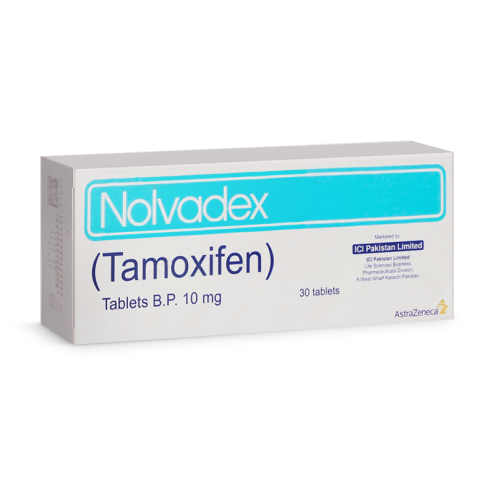
The Realities of Nolvadex: How It Shapes a Breast Cancer Journey
The phone call comes while you’re folding laundry, or maybe as you’re making coffee. Your doctor’s voice is steady, maybe too steady: “I’d like to talk to you about starting tamoxifen.” For most women with hormone receptor–positive breast cancer in the United States, this isn’t a surprise. Nolvadex is the drug you read about in breast cancer forums and overhear discussed in waiting rooms. But what does it actually mean to live with it?
Most people imagine “chemotherapy” as hair loss, nausea, long hours in infusion chairs. Nolvadex doesn’t fit that picture. It’s a pill — usually one a day — and it’s taken for years, not months. For many, it’s the first treatment that begins after the shock of surgery and the intensity of radiation or IV chemo have faded. That’s when the questions become real: Will I still feel like myself? Is this the best choice for my type of cancer? What changes, and what stays the same?
- Nolvadex isn’t “chemo,” but it’s not just a vitamin supplement either. It changes hormone signaling at the cellular level, with effects that ripple through your whole body.
- The commitment is long-term. Five to ten years is standard; stopping early can alter your chance of staying cancer-free.
- The effects aren’t always visible to everyone else. But you’ll notice them — sometimes immediately, sometimes months later.
- Decisions about starting, continuing, or switching are rarely just medical. They’re about your job, your family, your plans for the future.
Nolvadex sits at the intersection of hope and fear for many breast cancer survivors. It’s a medication with a long story in the United States, and understanding its place — and its limits — can turn a prescription into a plan.
Why Nolvadex — When So Many Other Breast Cancer Medications Exist?
Ask three breast cancer patients what treatment they’re on, and you’ll probably hear three different answers. Aromatase inhibitors. Fulvestrant. “Something for pre-menopausal patients.” So why do doctors still reach for Nolvadex, decades after its debut?
Unlike aromatase inhibitors (which shut down estrogen production), tamoxifen blocks the estrogen receptor — and that nuance shapes both its effectiveness and its side effect profile. For younger women, especially those who still have regular periods, aromatase inhibitors often don’t work as well unless ovarian function is suppressed. That’s where Nolvadex stands out.
There’s also a legacy at play: The evidence for Nolvadex is deep, with decades of follow-up studies showing its ability to reduce the risk of breast cancer returning. In the United States, it’s FDA-approved for both treatment and risk reduction (prevention) in high-risk women. It’s also used for ductal carcinoma in situ (DCIS), which broadens its relevance beyond invasive cancer.
For patients who can’t take aromatase inhibitors — due to osteoporosis risk, intolerable joint pain, or simply because they’re too young — Nolvadex isn’t a fallback. It’s first-line care.
Living with Tamoxifen: What Daily Life on Nolvadex Actually Feels Like
The routine seems simple: a white pill, swallowed every morning with water, becomes as much a part of the day as brushing your teeth. But the reality is layered. Tamoxifen’s effects are both subtle and, sometimes, impossible to ignore.
Some patients breeze through with only the occasional hot flash or night sweat. For others, sleep changes, mood swings, or changes in libido appear soon after starting. The unpredictability of these effects makes planning hard — and complicates conversations with family, friends, and even healthcare providers.
- Hot flashes
- Sweating and sudden warmth, usually in the face or chest; sometimes mild, sometimes it wakes you from deep sleep.
- Vaginal symptoms
- Dryness, discomfort, or discharge — often a surprise for younger patients who thought this only happened post-menopause.
- Period changes
- Cycles may become irregular or stop entirely. This effect is more likely in younger women, but it doesn’t always mean menopause.
- Muscle and joint aches
- Less common than with aromatase inhibitors, but still possible, especially after months of therapy.
Working, raising kids, or managing relationships while on Nolvadex requires adaptation. Keeping a symptom journal can help — not just for your own sanity, but to make the most out of each follow-up with your doctor. For many women, side effects fade or become manageable with time. For a minority, they accumulate and may require a change in medication.
The biggest surprise? For most, life on tamoxifen is not defined by daily fear of cancer, but by a constant low-level negotiation between the life you want, and the one your body delivers on any given day.
Which Side Effects Matter Most with Nolvadex — and When to Act
All medications come with warnings, but not all warnings carry the same weight. With Nolvadex, every patient worries about side effects — but not everyone knows which are routine and which require urgent attention.
Hot flashes, night sweats, changes in mood or sleep: these are common and, while disruptive, rarely dangerous. Most can be managed with lifestyle tweaks or, in some cases, medications prescribed by your doctor.
A much smaller set of risks, however, deserve close attention. Tamoxifen increases the risk of blood clots (deep vein thrombosis and pulmonary embolism) and, rarely, uterine cancer. These side effects are not frequent, but they are serious. Recognizing warning signs early matters more than memorizing a list of rare complications.
| Side Effect | How Common | Contact Doctor If… |
|---|---|---|
| Hot flashes/night sweats | Very common (more than 50%) | If severe, interfere with sleep, or unmanageable |
| Vaginal dryness/discharge | Common (10–35%) | If bleeding occurs, especially after menopause |
| Leg swelling/pain (blood clot) | Rare (<2%) | Immediately if sudden swelling, redness, or pain in leg |
| Shortness of breath/chest pain | Rare (<2%) | Immediately if new or severe |
| Abnormal uterine bleeding | Uncommon (2–10%) | Promptly for any unexpected bleeding |
| Mood changes, depression | Uncommon to common (up to 20%) | If persistent or severe, or thoughts of self-harm |
Not every side effect is a dealbreaker, and not every risk justifies stopping treatment. What matters is knowing the difference — and feeling empowered to pick up the phone when something doesn’t feel right.
A Doctor Weighs In: When Nolvadex Works Best — and When It Doesn’t
“Tamoxifen’s place in breast cancer treatment isn’t just about what the studies show. In real life, patients who stick with it — even through rough patches in the first few months — usually see the greatest benefit. We see fewer recurrences and, for some, better quality of life than alternatives. But I always tell my patients: If you’re struggling, don’t tough it out in silence. Sometimes a dosage change, a switch to a different brand, or even a brief break can make a difference. The key is honest, ongoing dialogue — not a one-size-fits-all approach.”
This kind of candor reflects what’s often missing from official prescribing information. Clinical trials measure outcomes, but everyday life measures how tolerable a pill is when you still have a job, kids, or a thousand plans that don’t stop for cancer.
Sticking with Nolvadex isn’t always easy, but most U.S. oncologists agree: For the right patient, it’s a cornerstone drug that saves lives. The best outcomes come when side effects are managed proactively, and when patients know their concerns will be taken seriously rather than dismissed as “just part of the process.”
Nolvadex vs. Other Breast Cancer Medications: The Decisions That Count
Making sense of the options isn’t simple. For hormone receptor–positive breast cancer, the U.S. landscape includes Nolvadex (tamoxifen), several aromatase inhibitors (letrozole, anastrozole, exemestane), and drugs like fulvestrant. Each has unique benefits and trade-offs, depending on your age, menopausal status, risk factors, and side effect tolerance.
| Medication | Main Uses | How It Works | Who It’s For | Typical Side Effects | Cost/Access | Prescription Status |
|---|---|---|---|---|---|---|
| Nolvadex (tamoxifen) | Early and advanced breast cancer, DCIS, risk reduction | Blocks estrogen receptor | Primarily premenopausal women; some postmenopausal unable to take AI | Hot flashes, vaginal changes, rare blood clots/uterine cancer | Generic available; usually covered by insurance; prior auth may be needed for brand | Prescription only |
| Aromatase inhibitors (letrozole, anastrozole, exemestane) | Early and advanced breast cancer | Blocks estrogen production | Postmenopausal women (or premenopausal w/ ovarian suppression) | Joint aches, bone loss, hot flashes; less blood clot risk | Generic options; insurance coverage variable; less costly than fulvestrant | Prescription only |
| Fulvestrant | Advanced/metastatic breast cancer | Blocks and degrades estrogen receptor | Mostly postmenopausal, often after failure of other drugs | Injection site pain, nausea, fatigue | Brand only; more expensive; insurance often covers after prior failure | Prescription only (injection in clinic) |
For most premenopausal women, Nolvadex remains the default. If you’re postmenopausal, an aromatase inhibitor may offer slightly better protection but brings its own set of side effects, especially for bone health. Fulvestrant is usually reserved for advanced cases or after other options have failed.
What really tips the balance? Age, menopausal status, tolerance of side effects, and sometimes the comfort level of your physician with each drug’s profile. Insurance coverage and cost are rarely the deciding factor for Nolvadex in the U.S., since generic options are broadly available.
Getting Nolvadex in the United States: Prescriptions, Insurance, and the Real Costs
You can’t pick up Nolvadex over the counter in the U.S. — it’s a prescription-only medication, regulated by the FDA. But once your oncologist writes the script, what happens next can vary.
Most large retail and independent pharmacies stock generic tamoxifen. If you specifically want the Nolvadex brand, you may need to ask your pharmacy to order it, and insurance may require a “medical necessity” letter from your doctor. Out-of-pocket costs for generic tamoxifen are relatively low (often under $20/month without insurance), while the brand may be significantly more expensive if not covered.
Mail-order pharmacies affiliated with your insurance can be a cost-saving option, especially for long-term prescriptions. Specialty pharmacies are rarely needed for Nolvadex unless special packaging or compounded doses are required.
The U.S. does not permit legal online pharmacies to sell Nolvadex without a prescription. If you find a site offering it over the counter, it is not licensed and may not be safe.
When Not to Take Nolvadex — Risks You Can’t Ignore
- History of deep vein thrombosis or pulmonary embolism (unless the benefit outweighs the risk, as judged by your doctor)
- Known allergic reaction to tamoxifen or to any inactive ingredients in Nolvadex
- Concurrent use of certain anticoagulants (warfarin in women being treated for DCIS) — increased risk of bleeding
- Pregnancy or planning to become pregnant — tamoxifen is teratogenic and can harm an unborn baby
- History of uterine cancer or unexplained abnormal uterine bleeding
- Severe liver impairment — tamoxifen is metabolized in the liver; close monitoring is needed
- Concomitant use of certain antidepressants (like paroxetine or fluoxetine), which can interfere with tamoxifen metabolism
If any of these conditions apply, talk to your oncologist before starting Nolvadex. Sometimes, the risks can be managed or alternatives offered. Never start or stop tamoxifen based solely on your own reading — decisions should be made in tandem with your treating team.
Starting Nolvadex: What Happens in the First Weeks?
The first month on Nolvadex is rarely dramatic. Most patients do not experience an immediate shift, but subtle changes can begin as early as the first week. Hot flashes or night sweats might make their debut; others breeze through with little to report.
Bloodwork is usually checked before starting — especially liver function and, if premenopausal, a pregnancy test. Your doctor may discuss possible drug interactions, especially if you take certain antidepressants, blood thinners, or antiepileptics.
About two weeks in, patients sometimes notice mood changes, sleep disruption, or mild aches. These symptoms often settle with time, but if they’re severe, your care team may recommend dose adjustments or supportive therapies. Keeping a log of symptoms can help you and your doctor spot trends and intervene early.
- Baseline evaluation: Bloodwork, review of medications, family history of blood clots
- Monitoring: Follow-up appointments every few months, at first, to review symptoms and side effects
- Patient tip: If you notice sudden or severe symptoms (especially leg swelling, chest pain, or vaginal bleeding), report these right away
For most, the “new normal” with Nolvadex settles in after the first few months. The key is to stay engaged with your healthcare team and update them if anything doesn’t feel right.
Your Real Questions About Nolvadex — Answered
- How long will I need to take Nolvadex?
- Most patients with hormone receptor–positive breast cancer take Nolvadex for five years, although some may benefit from extending treatment to ten years, based on recurrence risk and side effect profile. Your oncologist will help you weigh the pros and cons of extended therapy.
- Can Nolvadex cause menopause or affect my periods?
- Tamoxifen can cause periods to become irregular or stop in premenopausal women, but it does not always induce permanent menopause. If your periods stop while on Nolvadex, it may or may not mean you are menopausal.
- Is it safe to get pregnant while taking Nolvadex?
- No. Tamoxifen can harm a developing fetus and should not be taken during pregnancy. Effective contraception is needed throughout treatment and for at least two months after stopping the drug. If you are planning pregnancy, discuss timing and risks with your oncologist.
- What if I miss a dose?
- Take the missed dose as soon as you remember, unless it’s almost time for your next dose. Do not double up. Missing an occasional dose is unlikely to change your long-term outcome, but try to take Nolvadex at the same time each day for best results.
- Should I take Nolvadex with food?
- Tamoxifen can be taken with or without food. Some patients find that taking it with food reduces nausea, but this is not required for effectiveness. Choose the timing that fits your daily routine.
- Can Nolvadex interact with my other medications?
- Yes. Some medications, especially certain antidepressants (such as paroxetine and fluoxetine), can reduce the effectiveness of tamoxifen. Always inform your healthcare provider about every medication and supplement you take.
- Is the generic tamoxifen as effective as the brand name Nolvadex?
- FDA regulations require that generic tamoxifen is bioequivalent to Nolvadex. Most patients and clinicians report similar effectiveness and side effect profiles, though some individuals notice differences in tolerability, possibly due to inactive ingredients.
- If I have bothersome side effects, can I stop Nolvadex?
- You should not stop Nolvadex without discussing it with your care team first. Many side effects can be managed or may improve with time, and stopping suddenly may reduce the benefit of treatment.
- How often will I see my doctor while taking Nolvadex?
- Typically, follow-up is every 3–6 months in the first year, then less frequently if you tolerate therapy well. Visits may include symptom review, bloodwork, and, for women with a uterus, annual gynecological exams.
- Can I drink alcohol while taking Nolvadex?
- Moderate alcohol consumption is not strictly contraindicated, but both alcohol and tamoxifen are processed by the liver. Excessive drinking can increase liver strain and may worsen some side effects.
Sources / References
- U.S. Food & Drug Administration (FDA) – Drugs
- Hormone Therapy for Breast Cancer – American Cancer Society
- Breast Cancer Treatment (PDQ®) – National Cancer Institute
- NCCN Clinical Practice Guidelines in Oncology: Breast Cancer
- Tamoxifen (Oral Route) – Mayo Clinic
- Nolvadex Summary of Product Characteristics
- “Tamoxifen for Early Breast Cancer: Long-term Results from Randomised Trials.” Early Breast Cancer Trialists’ Collaborative Group. The Lancet, 2011.
-
-
0 Comments

