
Buy Prednisolone in Online Pharmacy Across the United States
- Home/
- Buy Prednisolone in Online Pharmacy Across the United States
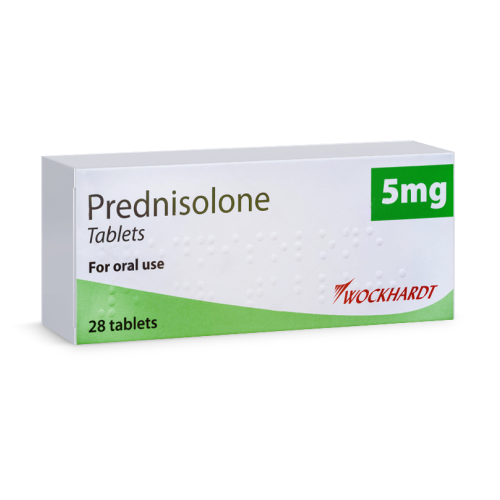
Prednisolone in the United States: The Complete 2026 Medical Guide
Can You Get Prednisolone Without a Prescription in the United States?
No, you cannot legally obtain Prednisolone without a valid prescription in the United States. Prednisolone is classified as a prescription-only corticosteroid medication regulated by the U.S. Food and Drug Administration (FDA). It is illegal to buy or possess Prednisolone without a prescription from a licensed healthcare provider.
Key Takeaways: Prednisolone at a Glance
| Category | Key Fact (2026, U.S.-specific) |
|---|---|
| Active Ingredient | Prednisolone |
| Prescription Requirement | Yes (Rx required) |
| Common Uses | Inflammatory diseases, autoimmune disorders, allergies, asthma, adrenal insufficiency |
| Onset of Effect | 2–4 hours (oral), varies by route |
| Main Contraindication | Systemic fungal infections, live virus vaccines, known hypersensitivity |
| Insurance Coverage | Typically covered by Medicare, Medicaid, and most major U.S. insurers |
| Typical Cost (2026) | $8–$30 per 20-tablet pack (generic); branded versions higher |
| Pharmacy Availability | All licensed U.S. pharmacies (with prescription) |
Bottom line: Prednisolone is a powerful anti-inflammatory prescription drug, not available over-the-counter in any U.S. state. Appropriate medical oversight is essential to maximize benefit and minimize harm.
How Prednisolone Works: Mechanism of Action Explained
Scientific Explanation (Prose)
Prednisolone is a synthetic glucocorticoid, closely related to cortisol, the body’s natural stress hormone. Its primary action is to regulate the transcription of anti-inflammatory and immunosuppressive genes via binding to the intracellular glucocorticoid receptor. This complex translocates into the cell nucleus and modulates genetic expression, particularly reducing the activity of pro-inflammatory cytokines (interleukin-1, TNF-alpha) and increasing anti-inflammatory mediators.
The substance inhibits phospholipase A2 and the release of arachidonic acid, thereby downregulating the synthesis of prostaglandins and leukotrienes—key drivers of inflammation and swelling. It also stabilizes lysosomal membranes in immune cells, lessening tissue destruction.
Metaphor for Patients
Imagine your immune system as a fire department: When there’s an emergency (inflammation), it sends out firefighters (immune cells). Sometimes, the response is excessive—too many firefighters cause water damage (swelling, pain, tissue destruction). Prednisolone acts like a smart control panel, telling the fire chief to dial back the response, reduce unnecessary “water damage,” but still keep the real threats under control.
Prednisolone’s effect is not instant, but it’s robust and system-wide. It does not “cure” the underlying disease but temporarily suppresses the inflammatory processes causing your symptoms.
Myth vs Reality: Myth: “Prednisolone is just a strong painkiller.”
Reality: It’s a powerful anti-inflammatory and immune modulator, not an analgesic. It doesn’t block pain directly; it calms the processes that create pain and swelling.
Supporting Sources: Clinical trials and mechanism-of-action references listed below.
How to Take Prednisolone: Dosage and Administration (Q&A Format)
- Q: What are the usual starting doses for adults?
-
- For acute inflammation: typically 5–60 mg daily (divided or single dose), depending on the specific disease and severity. Your doctor will adjust based on response.
- Q: How long does Prednisolone last, and when does it start working?
-
- Onset is usually within 2–4 hours after oral administration.
- Duration: Up to 24–36 hours per dose, depending on metabolism and indication.
- Q: What is the maximum daily dose?
-
- Usually not to exceed 80 mg/day in most conditions, but always determined by your physician. High-dose “pulses” (125–250 mg/day) are reserved for critical hospital use and require intense supervision.
- Q: Can I split or crush Prednisolone tablets?
-
- Some tablets can be split; check your product’s labeling or ask your pharmacist. Modified-release tablets should NEVER be split or crushed.
- Q: How do doctors adjust for elderly or liver/kidney impairment?
-
- Lower starting doses and slower titration are typical for older adults and those with hepatic or renal impairment. Regular monitoring of blood glucose, blood pressure, and infection risk is required.
- Q: Should I stop Prednisolone suddenly?
-
- No. Abrupt discontinuation after more than 2–3 weeks of continuous use is dangerous due to risk of acute adrenal insufficiency. Doses must be tapered under medical supervision.
Key Point: Only your doctor can determine the correct dose and duration for your specific condition.
Prednisolone and Food, Alcohol, and Lifestyle Factors (Table + Commentary)
| Substance or Food | Can be Combined? | Impact or Risk |
|---|---|---|
| Food (general) | Yes | Take with food or milk to decrease stomach upset |
| High-fat meals | Yes, but caution | May delay absorption by 30–60 minutes; no loss of total effect |
| Grapefruit juice | Generally yes | No significant interaction reported with Prednisolone (unlike with some other steroids) |
| Alcohol | Moderate: caution | Increases risk of stomach ulcers, GI bleeding, and bone loss; avoid or minimize |
| Caffeine | Yes | No direct interaction, but both can worsen insomnia and anxiety |
| Live vaccines | Strictly NO | Suppressed immune response; serious risk of infection |
Commentary: Always take Prednisolone with food to lower the risk of stomach irritation. Occasional alcohol may be permitted with your doctor’s agreement, but heavy drinking is especially risky. Prednisolone can increase blood sugar, blood pressure, and bone loss—so regular monitoring and healthy lifestyle choices are recommended during therapy.
Who Should NOT Take Prednisolone? Contraindications and Cautions (Mixed)
- Absolute Contraindications:
- Systemic fungal infections
- Known hypersensitivity to Prednisolone or any excipient
- Receiving live or attenuated virus vaccines
- Relative Contraindications (Use with Caution):
- Uncontrolled diabetes mellitus
- Active peptic ulcer disease
- Severe osteoporosis
- Uncontrolled hypertension
- Glaucoma or cataracts
- History of psychosis or severe mood disorders
- Severe liver or kidney impairment (dosing must be adjusted)
Why these risks? Prednisolone suppresses immune function—making infections harder to fight. It also raises blood glucose and blood pressure, and worsens bone loss in those at risk.
- After a Heart Attack or Stroke:
- Prednisolone can be given, but only with careful monitoring and after specialist consultation, due to increased infection, blood sugar, and fluid retention risk.
What Side Effects Are Most Common with Prednisolone? (Prose + List)
Side effects with Prednisolone are both dose- and duration-dependent. They can be classified as follows (adapted from WHO/CDC frequency guidelines, 2026 update):
- Very Common (>10%):
- Elevated blood sugar (hyperglycemia)
- Increased appetite and weight gain
- Fluid retention and swelling
- Mood changes (anxiety, irritability, insomnia)
- Common (1–10%):
- High blood pressure
- Indigestion, heartburn
- Muscle weakness
- Delayed wound healing
- Easy bruising
- Rare (<1%):
- Severe psychiatric reactions (psychosis, mania)
- Osteonecrosis (bone death)
- Pseudotumor cerebri (benign intracranial hypertension)
- Severe allergic reactions (anaphylaxis)
- Very Rare (<0.1%):
- Vision changes or sudden loss
- Adrenal crisis after abrupt discontinuation
- Severe infections (opportunistic: e.g., pneumocystis pneumonia, TB reactivation)
If you experience severe symptoms (confusion, shortness of breath, fever, vision changes, or severe abdominal pain), seek immediate medical attention.
What should I do if I get side effects? Do not stop Prednisolone suddenly without talking to your doctor. Contact your healthcare team promptly; most side effects can be managed with dose adjustments, additional medications, or lifestyle changes.
Prednisolone vs. Alternatives: Which Is Right For You? (Comparison Table)
| Medication | Onset | Duration | Main Indications | Common Side Effects | Typical Cost (2026, U.S.) |
|---|---|---|---|---|---|
| Prednisolone | 2–4 hours | 24–36 hours | Inflammation, asthma, autoimmune, allergies | Weight gain, blood sugar, psychiatric | $8–$30 (generic) |
| Prednisone | 2–3 hours (needs liver conversion) | 24–36 hours | Similar to Prednisolone | As above | $6–$25 (generic) |
| Methylprednisolone | 1–2 hours | 18–36 hours | More potent, IV or oral, acute severe inflammation | More psychiatric, GI effects | $10–$45 (generic oral) |
| Dexamethasone | 1–2 hours | 36–72 hours | Severe inflammation, cerebral edema, shock | Longer-lasting, insomnia, muscle wasting | $5–$40 (generic) |
Comment: Prednisolone is preferred if you have liver dysfunction, since it does not require activation. For short-term, high-potency needs, methylprednisolone or dexamethasone may be used—but may have higher psychiatric and metabolic side effects. Prednisolone’s main advantage: rapid, predictable effect with a long history of use.
Prednisolone: Quick Reference Table (Structured Data)
| Parameter | Value |
|---|---|
| Active Ingredient | Prednisolone |
| Drug Class | Systemic corticosteroid (glucocorticoid) |
| Formulations | Tablets, oral solution, eye drops, injectable (hospital use) |
| Usual Adult Dose | 5–60 mg/day (dose individualized) |
| Half-life (T1/2) | 2–4 hours (biological effect lasts much longer) |
| Metabolism | Liver (CYP3A4 pathway) |
| Elimination | Kidneys (urine as inactive metabolites) |
| Pregnancy Category (U.S.) | C (risk cannot be ruled out) |
| Driving/Operating Machinery | Caution: May cause insomnia, mood changes, rarely confusion |
How to Legally Obtain Prednisolone in the United States: Step-by-Step
- See a qualified healthcare provider: You may visit your primary care physician, specialist (such as a rheumatologist, pulmonologist, or allergist), or use a telemedicine service licensed in your state.
- Get a diagnosis and prescription: After a detailed evaluation and diagnosis (which may include lab tests), your provider will determine if Prednisolone is appropriate. If yes, they will create an electronic or paper prescription.
- Choose a licensed pharmacy: Bring your prescription to any licensed pharmacy in the United States or use a state-verified online pharmacy. Look for the .pharmacy verification program issued by the National Association of Boards of Pharmacy (NABP) for online orders.
- Insurance and payment: Most major insurance plans, Medicare, and Medicaid cover generic Prednisolone. Copays may vary; uninsured patients can expect $8–$30 for a standard pack (generic).
- Pick up or receive your medication: In-person pickup or home delivery (if allowed by state law and pharmacy). Always check packaging for integrity and expiration date before use.
- Follow up: Monitor for side effects and response. Regular follow-up with your healthcare provider is required for safe, effective therapy.
Is It Safe and Legal to Buy Prednisolone Online in the United States? (Expert Commentary)
Short answer: Yes, but only through licensed U.S. pharmacies that require a valid prescription. It is illegal and dangerous to buy Prednisolone from websites that do not require a prescription or are not certified by the National Association of Boards of Pharmacy (.pharmacy program).
- Unregulated online sites frequently sell counterfeit, contaminated, or incorrect medications—posing severe risks to health and legal consequences.
- The FDA regularly seizes and destroys prescription drugs shipped from foreign or unverified sources.
- Prescription requirements are in place to protect you from dangerous interactions, overuse, and unsafe dosing.
Tip: Look for the .pharmacy logo when ordering online, and double-check that the pharmacy is registered in your state.
How to Spot Counterfeit or Unsafe Prednisolone (Table + Prose)
| Feature | Original (U.S. FDA-approved) | Counterfeit / Unsafe |
|---|---|---|
| Packaging | Branded or generic, with manufacturer, NDC number, lot number, expiration date, tamper-evident seal | No lot number or NDC; poor print quality; foreign language; damaged or repackaged |
| Tablet appearance | Consistent color, shape, and imprint (see manufacturer’s website) | Irregular shape, off-color, no imprint or wrong imprint |
| Price | In the expected U.S. range ($8–$30 for generics) | Suspiciously low (“too good to be true”) or requires “no prescription” online |
| Pharmacy source | .pharmacy-verified, Rx required, licensed in your state | No license, ships from overseas, no prescription required |
| Verification codes | Often has QR code or hologram (check with pharmacist) | None, or code does not match manufacturer records |
If you suspect a counterfeit product, do not use it—bring it to your pharmacist or report it to the FDA’s MedWatch program.
Generics: All FDA-approved generic Prednisolone products must meet the same quality, strength, and efficacy standards as the original branded version (see below for full generics comparison).
Special Considerations: Children, Elderly, Pregnant, and Chronic Disease Patients (Q&A)
- Q: Is Prednisolone safe for children?
- Yes, under pediatric specialist supervision. Growth retardation risk exists with prolonged or repeated use—monitoring is essential.
- Q: Should older adults use lower doses?
- Yes. Elderly patients are more vulnerable to osteoporosis, diabetes, infections, and confusion. Lowest effective dose is recommended, with regular monitoring.
- Q: Can Prednisolone be taken during pregnancy?
- Only if the benefits outweigh the risks. Category C: animal studies show risk, human data limited. Use lowest effective dose for shortest possible time.
- Q: What about breastfeeding?
- Prednisolone passes into breast milk in low amounts. Short-term low-dose use may be permitted with monitoring; discuss with your doctor.
- Q: Is it safe with diabetes, hypertension, or other chronic conditions?
- Often necessary, but close monitoring of blood sugar and blood pressure is required. May worsen these conditions or interact with their medications.
- Q: Does Prednisolone affect the ability to drive?
- Rarely, but insomnia, mood swings, or confusion can impair alertness. Do not drive if experiencing these symptoms.
- Q: Fertility and family planning?
- No direct fertility impact, but high doses and long-term use may disrupt menstrual cycles or sperm production. Discuss with your provider if planning pregnancy.
Original vs. Generic Prednisolone: Are They the Same?
FDA-approved generic Prednisolone contains the same active ingredient, strength, efficacy, and safety profile as branded versions. Differences may exist in inactive ingredients (“excipients”), which can occasionally cause allergies (rare). Generics must pass strict U.S. bioequivalence testing.
- Advantages of generics: Substantially less expensive; widely available; insurance usually prefers generics.
- Branded: May have unique coatings, flavors, or packaging, but no proven therapeutic advantage if FDA-approved generic is used.
Tip: Always ask your pharmacist if you have specific allergies or sensitivities to dyes, fillers, or other excipients.
What To Do In Case of Prednisolone Overdose?
- Stop taking Prednisolone immediately.
- Seek emergency medical care or call 911 in the United States.
- Inform the healthcare team exactly how much was taken, when, and any symptoms present.
- Bring the medication packaging with you to the hospital if possible.
Symptoms of overdose: Severe confusion, muscle weakness, high blood sugar, high blood pressure, heart rhythm changes, or signs of infection. Overdose can be life-threatening.
Coping with Inflammation: Emotional Support and Next Steps
Living with inflammation, autoimmune disorders, or chronic illness can be isolating—but you’re far from alone. Many Americans face similar challenges each year. The important thing: these conditions are treatable, and help is available.
Don’t hesitate to discuss your experiences or concerns with your healthcare provider, a counselor, or your support network. The psychological impact of chronic inflammation is real and deserves attention alongside physical symptoms.
Frequently Asked Questions about Prednisolone
- Can Prednisolone be used daily?
- Yes, but only under doctor supervision—long-term daily use increases risk of side effects and requires monitoring and gradual dose reduction when stopping.
- Is Prednisolone safe for COVID-19?
- Only in specific situations (such as severe respiratory inflammation) and always under specialist guidance. Do not self-treat COVID-19 with Prednisolone.
- What happens if I miss a dose?
- Take as soon as you remember unless it’s almost time for your next dose. Don’t double up. Contact your doctor for repeated missed doses.
- Can I stop Prednisolone suddenly if I feel better?
- No. Stopping abruptly can cause adrenal crisis, a potentially life-threatening condition. Always taper under doctor instruction.
- Does Prednisolone interact with antibiotics or painkillers?
- Most antibiotics are compatible, but certain painkillers (NSAIDs like ibuprofen) increase GI bleeding risk—consult your provider.
- Can I drink alcohol while on Prednisolone?
- Small amounts may be permitted, but alcohol increases stomach and bone risks. Best to minimize or avoid; discuss with your physician.
- Is Prednisolone covered by insurance?
- Yes, generic Prednisolone is covered by most private plans, Medicare, and Medicaid. Copay and prior authorization requirements vary.
- How long can I safely take Prednisolone?
- Lowest effective dose for shortest duration is safest. Some conditions require months or years—this should always be managed with close medical monitoring.
- What should I do if Prednisolone does not work?
- Do not increase the dose yourself. Contact your healthcare provider to adjust therapy or investigate other causes.
References
- U.S. Food and Drug Administration. Prednisolone Drug Information. Accessed 2026. FDA
- Strehl C, et al. Glucocorticoids in the management of rheumatic diseases – an update on the mechanisms of action. Nat Rev Rheumatol. 2024. PubMed
- American College of Rheumatology. Guideline for the Management of Glucocorticoid Therapy. 2025. ACR
- National Association of Boards of Pharmacy. Buying Medicine Online. Accessed 2026. NABP
- Fardet L, et al. Risks of long-term systemic glucocorticoid therapy: a 2025 update. JAMA. 2025. JAMA
-
-
0 Comments

