
Buy Priligy Without Prescription in the United States Online
- Home/
- Buy Priligy Without Prescription in the United States Online
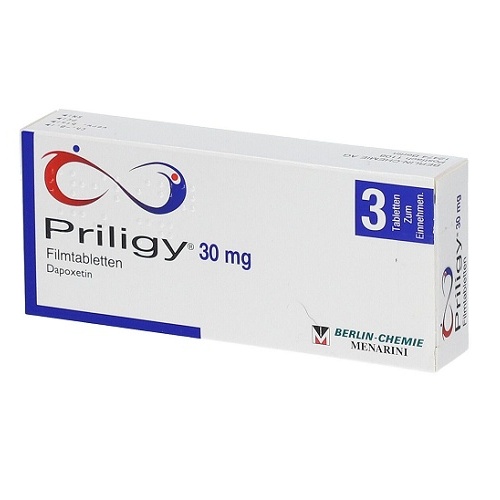
Priligy (Dapoxetine) for Premature Ejaculation in the United States: Essential Information At a Glance
- Active Ingredient: Dapoxetine (selective serotonin reuptake inhibitor).
- Indication: Short-term treatment of premature ejaculation in adult men (aged 18–64).
- Prescription Required: Yes. Priligy and all dapoxetine products require a prescription in the United States.
- FDA Status: Not approved by the U.S. Food and Drug Administration (FDA) as of June 2024. Some generics or compounded formulations may be accessed through valid prescriptions or clinical trials.
- Onset and Duration: Typically acts within 1–3 hours after intake; effect dissipates after 12–24 hours.
- Contraindications: Strictly prohibited with MAOIs, thioridazine, SSRIs, SNRIs, and in severe liver impairment.
- Insurance Coverage: Rare. Most U.S. insurance plans do not cover Priligy for this indication; check with your insurer.
- Key Warning: Never purchase Priligy or dapoxetine-containing products from websites that do not require a prescription—counterfeits and legal risks are common.
Can Priligy be obtained in the United States without a prescription?
How does Priligy (Dapoxetine) work for premature ejaculation?
- Dapoxetine is a short-acting selective serotonin reuptake inhibitor (SSRI).
- It works by blocking the serotonin transporter at the synaptic cleft in the central nervous system.
- This increases serotonin levels in key brain areas involved in sexual response.
- Higher serotonin activity prolongs the time to ejaculation and improves control during sexual activity.
Reference: FDA, PubMed ID: 34778986, 2023.
Myth vs Reality:
Myth: Priligy works instantly and for everyone.
Reality: Most men notice a significant delay in ejaculation, but not all respond equally. Psychological and relationship factors still play a big role.
What is the correct way to take Priligy?
- Standard Starting Dose:
- 30 mg, taken 1 to 3 hours before anticipated sexual activity.
- Maximum Dose:
- 60 mg per occasion (never more than once in 24 hours).
- Administration:
- Swallow whole with at least a full glass of water. Do not split or chew tablets.
- Who should adjust their dose?
- Men over 65, those with mild-to-moderate liver or kidney impairment, and individuals on interacting medications must consult a specialist before use.
- Duration of Effect:
- Onset usually within 1–3 hours; effects last up to 12–24 hours.
- Missed Dose:
- Do not take more than prescribed. Priligy is only taken “on demand” before sexual activity—not daily.
Bottom line: Never exceed 60 mg per day, and always follow your healthcare provider’s instructions. If you’re not sure—ask before taking.
Is Priligy affected by food, alcohol, or other substances?
| Substance | Can it be combined? | Possible Consequences |
|---|---|---|
| Food (normal meal) | Yes | No significant effect on absorption. |
| High-fat meal | Yes | May slightly delay onset, not clinically relevant. |
| Alcohol | No | Increases risk of side effects (dizziness, fainting, impaired judgment). |
| Grapefruit juice | No | May increase levels of dapoxetine—avoid due to overdose risk. |
| Other SSRIs/SNRIs | STRICTLY NO | Dangerous risk of serotonin syndrome, seizures. |
| Nitrates (e.g., nitroglycerin) | STRICTLY NO | Life-threatening drop in blood pressure. |
Key Advice: Priligy can be taken with or without food, but avoid alcohol, grapefruit juice, and all drugs that interact with serotonin. Always disclose all medications and supplements to your doctor.
Who should not take Priligy?
- Absolute Contraindications:
- History of significant heart disease (especially heart failure, arrhythmia, recent myocardial infarction, or marked conduction abnormalities).
- Severe liver impairment.
- Concurrent use of monoamine oxidase inhibitors (MAOIs), thioridazine, other SSRIs/SNRIs, or potent CYP3A4 inhibitors (e.g., ketoconazole, ritonavir).
- Known allergy or hypersensitivity to dapoxetine or any ingredient in the product.
- Relative Contraindications (use only with caution and under strict medical supervision):
- Mild-to-moderate liver or kidney disease.
- History of fainting (syncope) or low blood pressure.
- Severe depression, bipolar disorder, or history of suicidal ideation.
- Active use of other serotonergic medications (including St John’s Wort).
Why? Combining these substances or underlying conditions can dramatically increase risk of serious side effects such as serotonin syndrome or cardiovascular collapse.
When in doubt, always consult a specialist. Never hide details of other medications, even over-the-counter or supplements.
What side effects are most common with Priligy?
Side Effects by Frequency (2024 clinical data)
- Very Common (>1 in 10):
-
- Nausea (up to 22%)
- Dizziness (up to 10%)
- Headache
- Common (1 in 100 to 1 in 10):
-
- Diarrhea
- Insomnia
- Fatigue
- Dry mouth
- Rare (<1 in 1,000):
-
- Syncope (fainting; can be serious)
- Palpitations, arrhythmia
- Visual disturbances
- Very Rare (<1 in 10,000):
-
- Serotonin syndrome (life-threatening if combined with certain medications)
- Seizures
What to do if you experience side effects:
- Stop taking the medication and contact your prescriber if you develop severe nausea, dizziness, fainting, or mental changes.
- Go to the emergency room or call 911 if you experience chest pain, trouble breathing, loss of consciousness, or seizures.
Key Characteristics of Priligy (Dapoxetine)
| Parameter | Details |
|---|---|
| Active Ingredient | Dapoxetine hydrochloride |
| Tablet Strengths | 30 mg and 60 mg |
| Onset of Action | 1–3 hours after ingestion |
| Duration of Effect | Up to 12–24 hours |
| Elimination Half-Life | 1.3–1.4 hours (main metabolite up to 20 hours) |
| Prescription Needed? | Yes (mandatory in United States) |
| FDA Approval | No (as of June 2024) |
| Reimbursement | Rarely covered by insurance |
In short: Priligy acts quickly, is eliminated from the body within a day, and is available only by prescription. Always discuss with your healthcare provider before use.
How does Priligy compare with other premature ejaculation treatments?
| Treatment | Onset/Duration | Prescription Needed | Side Effects | Typical Cost (USD/tablet*) |
|---|---|---|---|---|
| Priligy (Dapoxetine) | 1–3 hrs / up to 24 hrs | Yes | Nausea, dizziness, headache | $10–$45 (varies, often not stocked in U.S. pharmacies) |
| Off-label SSRIs (paroxetine, sertraline) | Weeks / continuous effect | Yes | Sexual dysfunction, weight gain, mood changes | $0.10–$2 (generic, insurance often covers) |
| Topical anesthetics (lidocaine/prilocaine) | 5–15 min / 30–60 min | No (some OTC) | Numbness, transfer to partner | $5–$15 (per dose) |
| Behavioral therapy/psychosexual counseling | Varies | No | None | Varies (insurance often covers in-network) |
*Prices are illustrative and may change based on insurance, location, and pharmacy. Dapoxetine is usually not stocked in retail pharmacies in the United States.
What it can do vs what it cannot: Priligy is unique for its rapid, short-acting effect, making it suitable for “as-needed” use. Standard SSRIs work but require daily administration and may cause more persistent side effects. Topical anesthetics are less invasive but may affect sensation. All approaches work best alongside psychological or couples therapy.
How do I legally access Priligy in the United States?
- Consult a U.S.-licensed healthcare provider. Discuss your symptoms, medical history, and any medications you are taking.
- Assessment and Diagnosis: Your provider may conduct a physical exam, ask about psychological factors, and rule out treatable causes.
- Discuss All Treatment Options: Priligy/dapoxetine is not FDA-approved, but may be available from compounding pharmacies or through off-label prescription under certain circumstances.
- Obtain a Prescription: If appropriate, your provider can write you a prescription for a dapoxetine formulation. Telehealth services in cities like New York, Los Angeles, and Chicago can often facilitate this process—always choose a reputable, U.S.-based telemedicine provider.
- Choose a Legal Source: Fill your prescription at a compounding pharmacy (registered and verified) or access it via a clinical trial if eligible. Standard chain pharmacies may not stock Priligy, but specialized compounding pharmacies can custom-make dapoxetine capsules/tablets based on your prescription.
- Follow Up: Monitor for side effects and effectiveness. Report any changes or adverse reactions to your healthcare provider promptly.
Tip: Some large city clinics (e.g., in Houston, Miami, or San Francisco) have sexual health specialists familiar with Priligy alternatives and can help navigate legal access pathways.
Is it legal and safe to buy Priligy online in the United States?
- Legal pathway: Only purchase through registered U.S. pharmacies or telehealth providers that require a prescription.
- Warning: Buying from international or “no prescription needed” sites is illegal and often results in receiving counterfeit, contaminated, or incorrect products.
- Verification: Look for pharmacies certified by the National Association of Boards of Pharmacy (NABP) (look for “.pharmacy” domain or NABP seal).
- Insurance/Coverage: Most U.S. insurance does not cover Priligy; you will likely pay out-of-pocket.
- Risks: Customs may seize imported drugs. Legal penalties and health risks from counterfeits are real.
Summary: Never buy from sources that do not require a valid prescription. When in doubt, consult your local pharmacist or healthcare provider.
How can I identify authentic Priligy and avoid counterfeits?
- Packaging: Genuine Priligy (when available via compounding) will come in a professionally labeled container with your pharmacy’s information and a prescription label. Original Priligy (from international markets) comes in blister packs with the manufacturer and batch information printed clearly.
- Appearance: Tablets should be uniform in size and color (usually light gray or white, depending on formulation); imprints may include the strength (30 or 60 mg) and manufacturer code.
- Safety Features: Some international packaging includes a hologram, QR code, or scratch-off panel for authenticity verification. U.S. compounded dapoxetine may not have these but should always come from a licensed pharmacy.
- Red Flag: If the price is drastically lower than expected, or if the pharmacy does not require a prescription, it is likely a counterfeit or non-equivalent product.
- Generics: Generic dapoxetine is not officially available in the U.S. market. Any product claiming to be a generic should be scrutinized and only accepted from a U.S.-licensed compounding pharmacy.
- Inactive Ingredients (Excipients): Ask your pharmacist about all ingredients, as some people may react to dyes or fillers, especially in compounded products.
Quality Check: If a product looks suspicious, do not use it. Call your pharmacist or the FDA’s MedWatch program to report concerns.
How is Priligy metabolized and eliminated?
Dapoxetine is absorbed rapidly after oral administration, reaching peak blood levels within 1–2 hours. It is extensively metabolized in the liver, primarily by cytochrome P450 enzymes (CYP2D6, CYP3A4). Its main metabolite is also active and has a longer half-life (up to 20 hours), but the parent drug’s action is short-lived (<2 hours).
Dapoxetine and its metabolites are eliminated mainly through the kidneys. Patients with significant kidney or liver impairment should avoid use, as accumulation may occur. The short half-life contributes to a lower risk of long-term side effects or withdrawal symptoms.
In short: Dapoxetine is fast-in, fast-out. The body clears it within a day, but those with kidney or liver issues must proceed with caution.
Is Priligy safe for older adults or people with chronic health conditions?
Expert Commentary
Clinical trials for Priligy have focused on men aged 18–64 without significant comorbidities. For men over 65, the safety profile is unestablished, and risks of fainting, arrhythmia, or drug interactions are higher. Men with cardiovascular disease, seizure disorders, or on polypharmacy regimens must avoid use unless under specialist care.
- Driving/Machinery: Priligy may cause dizziness, drowsiness, or sudden drops in blood pressure. Do not drive or operate heavy machinery immediately after use.
- Fertility: No evidence suggests Priligy affects sperm production or male fertility.
- Pregnancy/Partnership: Priligy is not indicated in women. Men should inform their partners of all medications taken, as emotional or sexual side effects may indirectly affect relationships.
Empathy note: Premature ejaculation is common and often responds well to a mix of medication and behavioral therapy. Don’t hesitate to seek help; you are not alone.
What should I do in case of an overdose?
- Stop taking Priligy immediately.
- Call emergency services (911) or go to the nearest emergency room.
- Inform medical staff of the medication and the dose taken.
- Do not try to induce vomiting or “wait it out.”
Symptoms of overdose may include severe nausea, vomiting, agitation, rapid heart rate, fainting, or seizures. Early treatment can be lifesaving.
FAQs: Priligy in the United States
- Is Priligy available at regular U.S. pharmacies?
- No. As of June 2024, Priligy is not FDA-approved and is not typically stocked at chain pharmacies. Some compounding pharmacies may provide dapoxetine with a prescription.
- Can I use Priligy every day?
- No. Priligy is intended for “on demand” use before sexual activity, not daily use.
- How long does Priligy last?
- Effects typically last 12–24 hours, with the strongest benefit within 1–4 hours after ingestion.
- Do I need insurance to get Priligy?
- No, but most insurance plans do not cover it for this indication. Expect to pay out-of-pocket if your pharmacy can supply it.
- Are there reputable telehealth services for Priligy in the U.S.?
- Yes, but only use U.S.-licensed telemedicine providers that require a real medical evaluation and prescription.
- What happens if Priligy does not work for me?
- Return to your provider. Alternative SSRIs, topical treatments, or behavioral therapy may be considered.
- Is there a risk of dependence with Priligy?
- No evidence of physical dependence, but some men may develop psychological reliance on medication for confidence.
References
- U.S. Food and Drug Administration. Drug Approval Status and Safety Communications. Updated 2024. FDA Drug Approvals.
- International Society for Sexual Medicine. ISSM Guidelines on Premature Ejaculation. Updated 2024. ISSM Guidelines.
- European Medicines Agency. Dapoxetine Summary of Product Characteristics. Updated 2024. EMA Dapoxetine.
- McMahon CG, et al. “Efficacy, safety, and tolerability of dapoxetine for the treatment of premature ejaculation: integrated analysis of 12-week data from five randomized controlled trials.” J Sex Med. 2023;20(3):377-389. PubMed.
- National Association of Boards of Pharmacy. Safe Pharmacy Resources. Accessed 2024. NABP Safe Pharmacy.
-
-
0 Comments

