
Buy Ventolin Inhaler Without Prescription in the United States
- Home/
- Buy Ventolin Inhaler Without Prescription in the United States
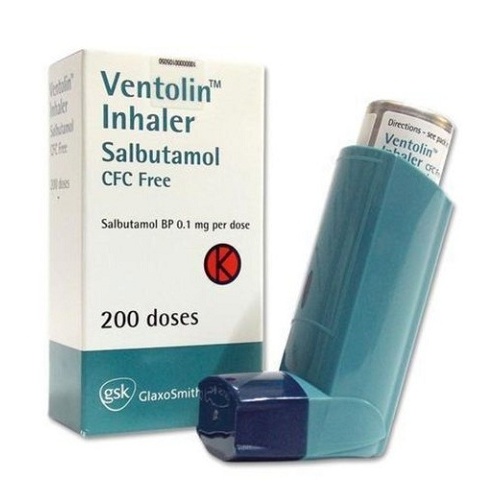
Is Ventolin Inhaler Available Without a Prescription in the United States?
No, Ventolin Inhaler (salbutamol/albuterol) requires a valid prescription in the United States. It cannot be legally purchased over the counter or online without a prescription. Only licensed healthcare providers can prescribe Ventolin Inhaler for asthma or related respiratory conditions.
Key Takeaways
- Ventolin Inhaler is indicated for quick relief of asthma symptoms and requires a prescription in the United States.
- Most patients feel symptom relief within minutes, but medical assessment is essential before starting therapy.
- Always consult your doctor if you need your inhaler more frequently than prescribed or notice diminished effectiveness.
- Ventolin Inhaler is generally safe when used correctly, but misuse or overuse can lead to serious side effects, including heart rhythm disturbances.
- Generic versions are available and are FDA-approved for efficacy and safety.
- If symptoms worsen or do not improve, seek immediate medical attention—do not delay treatment changes without guidance.
How Ventolin Inhaler Works: Scientific Mechanism Explained
Ventolin Inhaler contains salbutamol (known as albuterol in the United States), a selective beta-2 adrenergic receptor agonist. When inhaled, it binds primarily to beta-2 receptors on smooth muscle cells in the bronchial airways. This binding activates adenylate cyclase, which increases the concentration of cyclic adenosine monophosphate (cAMP) within the cells. Elevated cAMP leads to the relaxation of bronchial smooth muscle, causing bronchodilation—the airways open wider, allowing easier airflow and rapid relief from bronchospasm.
In practical terms, imagine your airways as a set of flexible tubes that can tighten and narrow during asthma attacks. Ventolin acts as a quick-release mechanism, “unlocking” the tubes and expanding them so air moves freely again.
Salbutamol/albuterol acts independently of external factors, but its effectiveness can be influenced by the correct inhalation technique and airway inflammation severity.
Expert Perspective: Why Patients’ Expectations and Real-World Response Can Differ
Patients often expect Ventolin Inhaler to resolve all breathing issues instantly, but that’s rarely the full picture. Many overlook how proper inhaler technique and underlying airway inflammation affect relief. Some believe that regular use prevents asthma attacks, not realizing that Ventolin only treats acute symptoms—it does not control chronic inflammation or prevent flare-ups. A common oversight is failing to monitor symptom frequency, leading to overuse and delayed escalation to controller therapy. In my experience, patients rarely ask about what to do if their inhaler is less effective or how overuse might signal uncontrolled asthma. It’s crucial to discuss that needing Ventolin more than twice a week (excluding pre-exercise use) suggests poor control and warrants medical review, not just more Ventolin.
Dosage Instructions: How to Use Ventolin Inhaler Safely and Effectively
The standard initial dose for adults and children aged 4 years and older is 1–2 inhalations (90–180 mcg per puff) as needed for relief of acute symptoms. For exercise-induced bronchospasm, 2 inhalations 15–30 minutes before activity are typical. The maximum recommended dose is 8 inhalations (720 mcg) in 24 hours, but frequent need may indicate worsening asthma control.
- Always shake the inhaler before use.
- Exhale fully, place the mouthpiece in your mouth, press the canister as you inhale deeply, then hold your breath for 10 seconds.
- Wait at least one minute between inhalations if more than one is needed.
- If prescribed for children, supervise use to ensure correct technique.
For elderly patients or those with liver/kidney impairment, the standard dose is typically safe, but your doctor may recommend a lower dose and closer monitoring for side effects like tremor or rapid heartbeat.
Ventolin Inhaler is a metered-dose inhaler—do not attempt to split the dose or modify the inhaler. Always use as directed.
Are There Food, Drink, or Lifestyle Interactions with Ventolin Inhaler?
Ventolin Inhaler is absorbed through the lungs, so it is not significantly affected by meals or gastrointestinal factors. There are no specific dietary restrictions. However, some key lifestyle interactions should be noted:
- Alcohol: Moderate consumption is not contraindicated, but excessive alcohol may exacerbate side effects like palpitations or dizziness.
- Caffeine: High intake may increase risk of tremor, nervousness, or palpitations when combined with Ventolin.
- Grapefruit juice: No known interaction with Ventolin’s metabolism.
- Smoking: Smoking worsens asthma and may blunt Ventolin’s effectiveness; quitting is strongly recommended.
- Exercise: Ventolin can be used preventively before exercise if prescribed.
Who Should Not Use Ventolin Inhaler? Contraindications and Red Flags
- Absolute Contraindications
-
- Known allergy to salbutamol/albuterol or any component of the inhaler.
- Severe hypersensitivity to inhaled excipients (rare).
- Relative Contraindications and Cautions
-
- Severe cardiac arrhythmias (e.g., uncontrolled atrial fibrillation)—risk of worsening arrhythmia due to beta-agonist’s cardiac effects.
- Hypertrophic obstructive cardiomyopathy—increased risk of cardiac symptoms.
- Recent myocardial infarction (heart attack): Use only under close medical supervision, especially within several weeks of the event.
- Uncontrolled hyperthyroidism: Beta-agonists may exacerbate symptoms.
- Severe hypokalemia (low potassium): Ventolin can further lower potassium, increasing risk of heart rhythm disturbances.
- Use with caution in patients with diabetes mellitus, as it may raise blood glucose levels.
Consult your doctor if you have any heart condition, high blood pressure, or metabolic disorder before using Ventolin Inhaler.
What Side Effects Are Most Common with Ventolin Inhaler?
Side effects are classified by frequency:
- Very Common (>1/10)
-
- Tremor (shakiness)—usually mild and dose-related.
- Nervousness—a feeling of restlessness shortly after use.
- Common (>1/100 to <1/10)
-
- Palpitations (awareness of heartbeat)
- Headache
- Muscle cramps
- Increased heart rate (tachycardia)
- Irritation in throat or cough immediately after inhalation
- Rare (>1/10,000 to <1/1,000)
-
- Paradoxical bronchospasm (worsening breathing immediately after use)
- Restlessness in children
- Nausea
- Transient changes in blood pressure
- Very Rare (<1/10,000 or isolated reports)
-
- Severe allergic reactions (anaphylaxis)
- Heart rhythm disturbances (arrhythmias, including atrial fibrillation)
- Chest pain or angina in predisposed patients
- Hypokalemia leading to muscle weakness or cardiac events
If you develop chest pain, severe dizziness, fainting, or persistent palpitations after using Ventolin, seek emergency care immediately.
For more common side effects, inform your doctor if symptoms are persistent or bothersome. Never stop using your inhaler abruptly without consulting your healthcare provider.
Ventolin Inhaler Technical Profile Table
| Parameter | Value |
|---|---|
| Active Ingredient | Albuterol sulfate (salbutamol) |
| Inhaler Strength | 90 mcg per actuation |
| Total Doses Per Canister | 200 actuations |
| Onset of Action | 3–5 minutes |
| Peak Effect | 15–30 minutes |
| Duration of Action | 4–6 hours |
| Storage | Room temperature; do not freeze; keep away from direct sunlight |
Compatibility of Ventolin Inhaler with Other Medications and Products
| Product Type | Can It Be Combined? | Consequences |
|---|---|---|
| Aspirin | Yes | No significant interaction |
| Beta-blockers (e.g., propranolol) | No | Reduces Ventolin effectiveness; may trigger bronchospasm |
| MAO inhibitors | Use with caution | May increase cardiovascular side effects |
| Diuretics | Yes, with monitoring | May increase risk of low potassium |
| Alcohol | Yes, moderate | Excessive use may increase side effects |
Common Mistakes Patients Make When Using Ventolin Inhaler—and How to Avoid Them
- Incorrect Inhaler Technique: Not shaking the inhaler, incomplete exhalation, or failing to inhale deeply when activating the inhaler significantly reduces medicine delivery. Solution: Ask your healthcare provider for a demonstration, and practice with a placebo inhaler if possible.
- Overusing the Inhaler: Some assume more puffs provide better relief, but excessive use increases risk of side effects and may mask deteriorating asthma control. If your need for Ventolin increases, consult your doctor rather than self-titrating the dose.
- Not Rinsing the Mouth After Use: Although less critical than with corticosteroids, some excipients can cause throat irritation or mild oral discomfort. Rinsing helps prevent irritation.
- Neglecting Canister Counts: Using an almost-empty inhaler can result in missed doses. Track actuations or use inhalers with dose counters, and refill before running out.
- Using Ventolin as a Substitute for Controller Therapy: Relying solely on Ventolin for daily symptom management can lead to poor long-term control and increased risk of severe attacks. Always use your prescribed maintenance inhaler if indicated.
- Ignoring Expiry Dates and Storage Recommendations: Expired or improperly stored inhalers may lose potency. Store as directed and check expiration before use.
Ventolin Inhaler Compared to Alternatives: A Brief Analysis
| Product | Active Ingredient | Onset (min) | Duration (hr) | Common Side Effects | Estimated Price (USD, May 2026) |
|---|---|---|---|---|---|
| Ventolin HFA | Albuterol | 3–5 | 4–6 | Tremor, palpitations | $35–$75 |
| ProAir RespiClick | Albuterol | 3–5 | 4–6 | Throat irritation, tremor | $35–$70 |
| Xopenex HFA | Levalbuterol | 3–5 | 4–6 | Headache, dizziness | $65–$120 |
| Generic Albuterol HFA | Albuterol | 3–5 | 4–6 | Similar to brand | $27–$55 |
All products above are FDA-approved and require a prescription. Xopenex (levalbuterol) may cause fewer tremors in some patients but is more expensive. ProAir RespiClick offers a breath-actuated device, which may be easier for certain patients to use. Generics are equivalent in efficacy and safety to branded Ventolin but may differ in device design.
Pharmacokinetics: How Is Ventolin Inhaler Processed in the Body?
After inhalation, albuterol acts directly on airway smooth muscle with minimal systemic absorption. Any absorbed portion is metabolized primarily in the liver to inactive metabolites, then excreted by the kidneys. The elimination half-life (T1/2) is approximately 3–6 hours in healthy adults. No significant accumulation occurs with typical as-needed use.
Patients with liver or kidney impairment may experience higher blood levels, but standard dosing is generally safe. However, close monitoring for adverse effects is warranted in these populations.
Special Populations: Is Ventolin Inhaler Safe for Children, Elderly, or Pregnant Patients?
- Children (4+): FDA-approved for children age 4 and up. Proper technique should be supervised.
- Elderly: Generally well-tolerated, but may experience more pronounced tremor or palpitations. Dose adjustment is rarely needed, but start with the lowest effective dose.
- Pregnancy: Classified as Pregnancy Category C by the FDA; benefits may outweigh risks in uncontrolled asthma. Discuss with your healthcare provider.
- Breastfeeding: Albuterol is excreted in breast milk in small amounts; consult your doctor to weigh risks and benefits.
- Driving and Machinery: Ventolin itself does not impair cognitive or motor skills, but severe asthma, side effects like tremor or dizziness, or overuse may reduce alertness. Use caution if you experience these effects.
- Fertility: Animal studies show no major adverse effects on fertility; human data is limited.
Step-by-Step: How to Legally Obtain Ventolin Inhaler in the United States
- Schedule a Consultation: Book an appointment with your primary care provider or a pulmonologist specializing in asthma management. Telehealth options are widely available in the U.S. for follow-up and refills.
- Medical Assessment: The doctor will diagnose your condition, assess asthma control, and determine if Ventolin Inhaler is appropriate for your symptoms.
- Get a Prescription: If indicated, your doctor will issue a prescription—electronic prescriptions are standard and can be sent directly to your preferred pharmacy.
- Fill the Prescription: Present your prescription at a licensed U.S. pharmacy (retail or online with proper accreditation). Most insurance plans or Medicaid/Medicare will cover Ventolin and its generics, though out-of-pocket prices are provided above for uninsured patients.
- Pharmacist Counseling: On first fill, pharmacists provide inhaler technique education and review possible interactions.
- Follow-up: Regular follow-up with your doctor is advised to assess asthma control and adjust therapy as needed.
Doctor Answers to Common Patient Questions About Ventolin Inhaler Treatment
-
How quickly should I feel relief after using Ventolin?
Most patients experience symptom improvement within 3 to 5 minutes. If you do not feel any relief after a few minutes, repeat a second puff as instructed, and if there is still no improvement, seek urgent medical care. -
Is it safe to use my Ventolin Inhaler every day?
Ventolin is intended for acute or occasional use, not as a daily controller. If you require it more than twice per week (except for exercise), your asthma may be poorly controlled and you should speak with your doctor about adjusting your therapy. -
How can I tell if my inhaler is empty?
Newer inhalers often have a dose counter. If not, keep track of the number of actuations used (typical canisters have 200). When empty, the spray may feel lighter or produce less mist. Never rely on a “test spray” to check. -
What should I do if I lose my inhaler or run out?
Arrange a replacement promptly. Avoid using someone else’s inhaler. If you are at risk of running out, ask your prescriber about advance refills or keeping a backup inhaler. -
Can I use Ventolin in combination with other asthma medications?
Yes, Ventolin is compatible with most controller inhalers such as corticosteroids or leukotriene modifiers. Always inform your healthcare provider about all medications you use to check for interactions. -
Should I stop using Ventolin if I feel better?
Continue to use as needed for symptoms, but do not use more frequently than prescribed. Always continue your maintenance therapy if prescribed, and consult your doctor before making any changes. -
How will my doctor monitor my progress on Ventolin?
Your doctor will review symptom frequency, peak flow measurements, and ask about side effects to adjust your treatment plan. Asthma control assessments help determine if controller therapy should be added or adjusted.
Country-Specific Guide: How to Identify Legitimate Pharmacies and Avoid Unsafe Sources in the United States
To ensure your Ventolin Inhaler is genuine and safe, always use pharmacies licensed by your state Board of Pharmacy or verified by the National Association of Boards of Pharmacy (NABP). Legitimate online pharmacies display the .pharmacy seal and require a prescription. Avoid websites that:
- Offer Ventolin without a prescription or medical review.
- Lack a physical address or U.S. license information.
- Sell products at prices far below typical U.S. rates.
- Do not provide pharmacist counseling or customer support.
Unlicensed sources may distribute counterfeit products, posing serious health risks. U.S. Customs may seize unauthorized imports, and you may have no recourse if you receive a fake or defective product. Always check a pharmacy’s license status through your state’s official Board of Pharmacy website.
How to Recognize a Genuine Ventolin Inhaler and Distinguish It from Counterfeits
- Packaging: Authentic Ventolin Inhalers in the U.S. are sold in a sealed box with clear labeling, batch number, expiration date, and manufacturer details (commonly GlaxoSmithKline).
- Device: The inhaler is blue, with “Ventolin HFA” or the generic name, and a batch number printed on the canister. Genuine inhalers are sturdy, fit the mouthpiece perfectly, and produce a consistent spray.
- Security Features: Many U.S. inhalers include tamper-evident seals and, in recent years, QR codes or holographic labels to confirm authenticity.
- Price: Legitimate inhalers rarely cost less than $25–$30 out-of-pocket in the U.S. Markedly lower prices are a red flag for counterfeits.
- Generics: FDA-approved generics (e.g., albuterol HFA) have a similar appearance, dosage, and delivery device, but may have minor differences in taste or feel due to excipients. Generics must meet the same standards for efficacy and safety as brand-name Ventolin. Some patients with rare allergies may react to different excipients in generics; consult your pharmacist if you have a history of sensitivities.
Overdose: What to Do If You Use Too Much Ventolin Inhaler
- Stop using the inhaler immediately.
- Call 911 or your local emergency services if you experience chest pain, severe palpitations, fainting, or other alarming symptoms.
- Provide emergency responders with information on the number of puffs taken and the time of use.
- Do not attempt to self-treat severe overdose symptoms at home.
- If unsure, err on the side of caution—seek medical advice quickly.
Myth vs. Reality: Ventolin Inhaler Use and Expectations
-
Myth: Ventolin Inhaler can be used as often as needed for any breathing trouble.
Reality: Frequent use signals poorly controlled asthma and may require controller therapy adjustment. -
Myth: Generic albuterol inhalers are less effective than Ventolin.
Reality: FDA-approved generics must demonstrate bioequivalence and are considered clinically interchangeable. -
Myth: Ventolin Inhaler treats the underlying cause of asthma.
Reality: Ventolin only relieves acute bronchospasm. It does not address airway inflammation—the root cause of asthma.
Psychological Support: Managing Asthma Is Achievable
Asthma is a common, manageable condition. If you feel anxious about your breathing or medication, know that many people successfully manage their symptoms with medical support and lifestyle adjustments. Don’t hesitate to discuss your concerns with a healthcare professional or seek support from patient advocacy groups or loved ones.
What Should I Do If Ventolin Inhaler Does Not Work?
If you use Ventolin as prescribed and do not experience relief after 2 puffs, or if symptoms worsen, seek emergency medical care immediately. Lack of response can signal severe airway obstruction or an incorrect diagnosis. For less urgent situations, such as increasing need for Ventolin over days or weeks, schedule a follow-up visit with your doctor to reassess your asthma action plan. Never simply increase the number of puffs without professional advice.
Clinical Assessment by doctor: Who Benefits Most from Ventolin Inhaler and When to Consider Alternatives
In my clinical practice, Ventolin Inhaler is ideally suited for patients who experience intermittent asthma symptoms or require rapid relief from acute bronchospasm. It is most beneficial for those with predictable triggers—such as exercise-induced symptoms or allergen exposure—where a short-acting beta-agonist is effective and appropriate. Patients with infrequent exacerbations and no daily symptoms typically experience excellent results with as-needed Ventolin. However, for individuals who find themselves reaching for the inhaler multiple times per week, or whose symptoms disrupt sleep or daily activities, reliance on Ventolin alone suggests suboptimal control. In such cases, a controller medication (such as inhaled corticosteroids) should be introduced or adjusted. Patients with significant cardiac comorbidities or a history of medication intolerance may benefit from alternative therapies, such as anticholinergic agents or leukotriene modifiers, especially if side effects are limiting. Regular reassessment and patient education are key in ensuring safe and effective use of Ventolin and in identifying when escalation or alternative treatment is warranted.
Frequently Asked Questions About Ventolin Inhaler (FAQ)
Is Ventolin Inhaler effective for all types of asthma?
Ventolin Inhaler is effective for acute relief in most forms of asthma and exercise-induced bronchospasm. It is not a substitute for controller medications in persistent or severe asthma.
How often can I safely use Ventolin Inhaler?
As-needed use is generally safe, but you should not exceed 8 puffs in 24 hours. If you regularly need more, consult your doctor to review your treatment plan.
Can I buy Ventolin Inhaler without a prescription in the United States?
No, a valid prescription from a licensed healthcare provider is legally required to obtain Ventolin Inhaler in the U.S.
What is the cost of Ventolin Inhaler in the U.S.?
Out-of-pocket cost typically ranges from $35 to $75 per inhaler, depending on the pharmacy and insurance coverage. Generic albuterol inhalers may cost less.
Are generic albuterol inhalers as effective as Ventolin?
Yes. FDA-approved generics are considered equivalent in efficacy and safety to the brand-name product, though device style or taste may differ slightly.
Can Ventolin Inhaler be delivered to my home?
Yes. Many licensed U.S. pharmacies, including online outlets, offer home delivery with a valid prescription.
Does Ventolin interact with other asthma medications?
Ventolin is generally compatible with controller inhalers and oral medications, but always inform your doctor about all drugs you take to avoid interactions.
Can I use my Ventolin Inhaler with a spacer?
Yes. Spacers are recommended for children and adults who have difficulty coordinating inhalation, as they improve drug delivery and reduce side effects.
Does insurance cover Ventolin Inhaler?
Most private insurance plans, Medicaid, and Medicare provide coverage for Ventolin and its generics, though copays may apply.
How should I store my Ventolin Inhaler?
Store at room temperature, away from direct sunlight, and do not freeze. Keep away from excessive heat.
References
- U.S. Food and Drug Administration. Ventolin HFA (albuterol sulfate) Inhalation Aerosol Prescribing Information. Accessed May 2026. https://www.fda.gov/
- National Institutes of Health. Asthma Care Quick Reference, U.S. Asthma Guidelines. Accessed May 2026. https://www.nhlbi.nih.gov/
- GlaxoSmithKline. Ventolin HFA Official Product Information. Accessed May 2026. https://www.gsksource.com/
- PubMed: Recent studies on albuterol/salbutamol safety and efficacy. Accessed May 2026. https://pubmed.ncbi.nlm.nih.gov/
- Mayo Clinic. Albuterol (Inhalation Route) Description and Brand Names. Accessed May 2026. https://www.mayoclinic.org/
- National Association of Boards of Pharmacy. .Pharmacy Verified Websites Program. Accessed May 2026. https://nabp.pharmacy/programs/dotpharmacy/
- ClinicalTrials.gov. Current research on inhaled beta-agonists. Accessed May 2026. https://clinicaltrials.gov/
-
-
0 Comments

