...
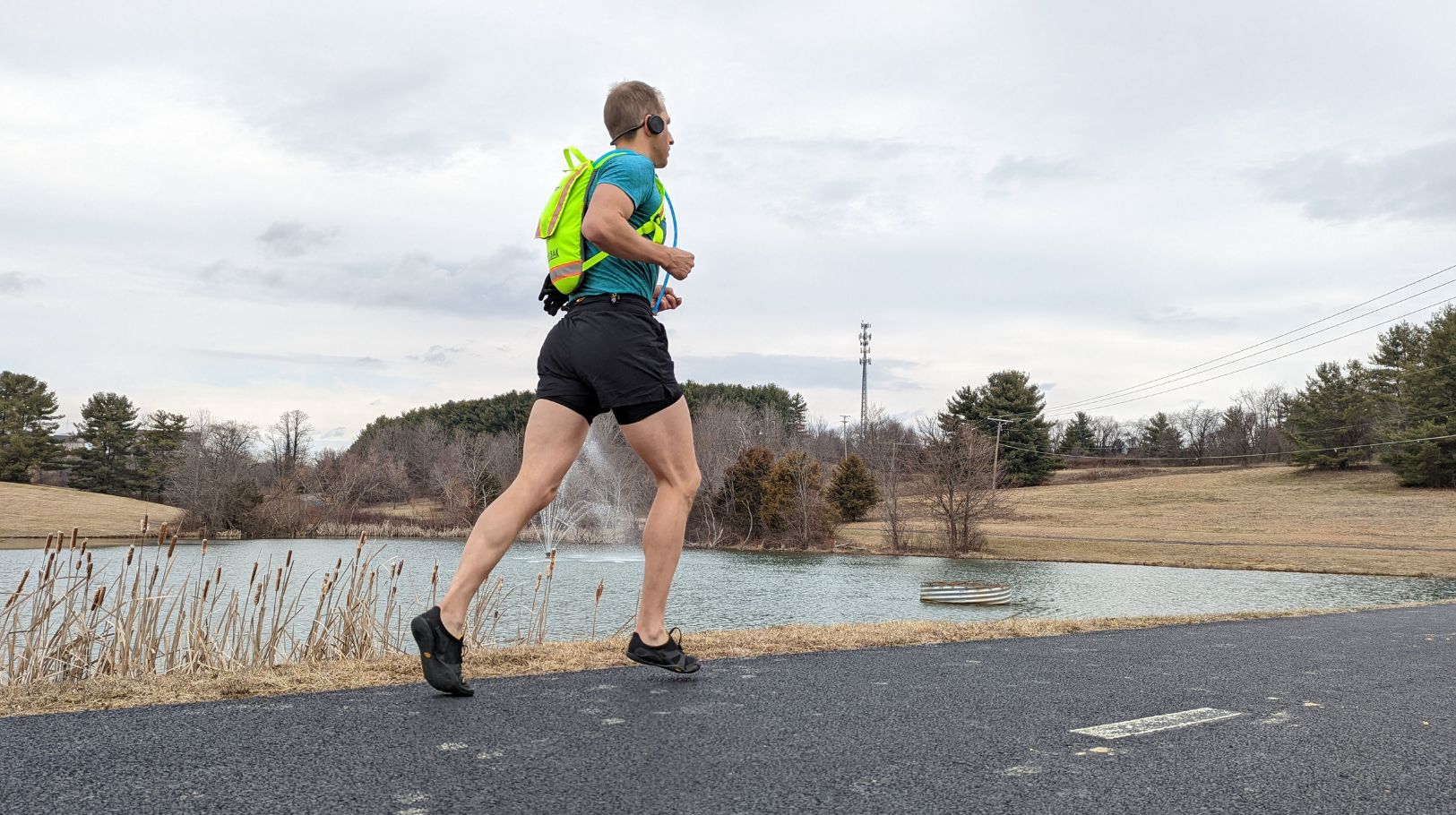
Runner pushing off during stride to illustrate Achilles tendon loading in Charlotte

Achilles Tendon Pain: Why Rest Doesn’t Work and What Helps Instead

Why Your Achilles Pain Keeps Coming Back

Achilles tendon pain is one of the most frustrating overuse problems I see, especially in runners, hikers, and active adults who are trying to do the right thing and still can’t seem to get rid of it.

For most people, the default plan is simple: rest until it stops hurting.

And to be fair, that can calm symptoms down for a little while. But in many cases, it does not actually solve the problem. In fact, complete rest often sets people up for the exact pattern they are trying to avoid: pain goes away, activity resumes, and the pain comes right back.

I see this all the time with people training here in Charlotte. They back off completely, feel better after a week or two, then go for a run on the greenway, take a long walk, do a hard workout, or head out for a hike, and the tendon flares up all over again.

That does not necessarily mean the tendon is permanently damaged. More often, it means the tissue was no longer irritated, but it also was not prepared for the load you asked it to handle.

The Common Misunderstanding

A lot of people assume tendon pain is mainly an inflammation issue.

The thought process usually goes like this:

Pain means inflammation.
Inflammation means rest.
Once pain settles down, the tissue must be healed.

The problem is that Achilles tendon pain often does not work that way.

While inflammation can play a role, Achilles tendinopathy is usually more about load capacity, tendon remodeling, tissue sensitivity, and whether the demands you place on the tendon are greater than what it is currently prepared to tolerate.

That is a very different problem than “just let it calm down.”

What May Actually Be Going On

In many cases, Achilles pain is better understood as a load management and capacity problem than a simple inflammation problem.

A few things are usually involved:

  • how much load the tendon can currently tolerate
  • how well the tendon has adapted to recent training or activity
  • whether the tendon is being irritated more by tensile load, compression, or both
  • how sensitive the tissue and nervous system have become
  • whether daily or weekly demand keeps exceeding the tendon’s current capacity

That is why two people can both have “Achilles pain” and need somewhat different strategies.

Why Complete Rest Often Backfires

One of the most important concepts here is load tolerance.

Load tolerance is simply the amount of stress a tissue can handle before it starts to get irritated.

When your Achilles is painful and you fully stop loading it, symptoms often improve. That part makes sense. But at the same time, the tendon is no longer getting the mechanical input it needs to maintain capacity.

Tendons are not like batteries that recharge best by doing nothing. They are living tissues that respond to appropriate stress. When you underload them for too long, they can become less prepared for the demands of real life.

So yes, pain may decrease with rest. But capacity can decrease too.

That is why so many people get trapped in this cycle:

Pain.
Rest.
Feel better.
Return to activity.
Pain again.

This is the same basic issue I wrote about in Why Your Knee Pain Is Probably NOT a Strength Problem. People often assume the answer is just less pain or more rest, when the real issue is that the tissue is not prepared for the load being put on it.

Tendons Need Load, but the Right Amount

Healthy tendons adapt to loading. With appropriate mechanical stress, they can become stiffer, stronger, and more resilient over time.

But there is a catch: tendons adapt slowly.

Muscle can respond relatively quickly. Tendon usually takes much longer. Meaningful tendon adaptation often takes weeks to months, not days. That is one reason people get impatient and either do too little for too long or too much too soon.

If the tendon is underloaded, capacity tends to decline.
If the tendon is overloaded, symptoms often flare and healing can be disrupted.
The goal is to find the middle ground where the tendon is challenged enough to adapt, but not hammered so hard that it keeps getting irritated.

That is where good rehab and smart programming matter.

Tendon Remodeling and “Failed Healing”

Tendons are constantly remodeling in response to stress.

In a healthy situation, that remodeling process supports collagen turnover, fiber alignment, and tissue resilience. But when loading becomes excessive, too repetitive, poorly timed, or not matched with enough recovery, the tendon can shift away from healthy adaptation and toward a failed healing response.

That is where you start to see changes in the tendon itself, including collagen matrix disruption, altered cellular behavior, vascular changes, and changes in how the tissue responds to load.

This is one reason why simply waiting for pain to disappear is often not enough. Symptoms may settle before the tendon has rebuilt the load tolerance needed for training, running, hiking, or even long periods on your feet.

Why the Location of Pain Matters

Not all Achilles pain behaves the same.

Insertional Achilles Tendinopathy

If the pain is right down near where the tendon attaches to the heel bone, compression often plays a bigger role. These cases are commonly aggravated by deeper ankle dorsiflexion, especially when the tendon is being compressed against the calcaneus.

In these cases, early management often goes better when people avoid:

  • aggressive calf stretching
  • deep dorsiflexion positions
  • heel drops below neutral
  • exercises that repeatedly compress the tendon at the insertion

Sometimes a temporary heel lift can also help reduce irritation.

Mid-Portion Achilles Tendinopathy

If the pain is higher up in the tendon, a few centimeters above the heel, this is more often a mid-portion issue. These cases are usually more tension-dominant and often respond well to progressive tensile loading, including heavy slow resistance and eccentric-based work when used appropriately.

This distinction matters because what helps one presentation can aggravate another.

Pain Is Not Just About Structure

Another piece people miss is tissue sensitivity.

Pain is not always a direct measurement of damage. Once a tendon has been irritated repeatedly, the tissue and nervous system can become more sensitive. That means loads that used to feel fine may suddenly feel threatening or painful.

This often creates a bad cycle:

  • pain increases
  • people become cautious or fearful
  • loading drops too much
  • capacity falls further
  • normal activity becomes irritating again

That is one reason tendon rehab is not just about making pain disappear. It is about gradually restoring confidence and rebuilding the tissue’s ability to handle load again.

You could also internally link here to your pain article: Pain Is Gain… Or Is It?

Capacity vs. Demand

This is the simplest way to think about most chronic Achilles problems.

Pain often shows up when the demands on the tendon regularly exceed its current capacity.

That can happen because of a sudden spike in training. It can happen because someone was inconsistent and then had one big weekend of activity. It can happen because they rested too long and lost tolerance. It can also happen because recovery, sleep, age, training structure, footwear changes, hills, sprinting, or volume progression were not managed well.

The tendon is not necessarily “fragile.” It is just being asked to do more than it is ready for.

Real-World Examples

I see this pattern in a few common groups.

The Runner

They feel a little Achilles pain, shut everything down, wait until it calms down, and then jump right back into the same pace, mileage, or hills that irritated it in the first place.

The Walker or Hiker

They are mostly fine in daily life, then go do a long walk, a hiking trip, or a big day outdoors without enough preparation. Around Charlotte, that might mean someone feels okay during the week and then overloads the tendon with a long outing after doing very little tendon-specific preparation.

The Weekend Warrior

Low activity Monday through Friday, then intense tennis, pickleball, yard work, hiking, or bootcamp-style exercise on the weekend. The tissue never really builds enough consistency to stay ahead of the demand.

What Actually Helps

In most cases, the answer is not endless rest and it is not just pushing through pain either.

What usually works better is a more structured approach:

1. Progressive loading

The tendon needs load to rebuild capacity. That loading has to be dosed appropriately and progressed gradually.

2. Better load management

You do not want huge spikes in volume, intensity, hills, speed, plyometrics, or weekend activity before the tendon is ready for them.

3. The right exercise selection

Isometrics, heavy slow resistance, and eccentric-based approaches can all be useful, depending on the presentation and the stage of irritation.

4. Recovery

Sleep, recovery, training frequency, and overall life stress matter. This becomes even more important with age, high training volume, or a history of repeated flare-ups.

5. Patience

This is the hard part. Tendon rehab usually moves slower than people want. You are not just trying to get out of pain. You are trying to build a tendon that can actually tolerate life and training again.

The Bigger Reframe

Achilles pain is often not just an inflammation problem.

It is usually a capacity problem.

Rest may reduce symptoms for a while, but load is what helps rebuild resilience. That does not mean reckless loading. It means intelligent, progressive loading with enough patience to let the tendon adapt.

Recovery is rarely perfectly linear. Small flare-ups do not always mean you are going backward. What matters more is the overall trend over time: Is the tendon gradually tolerating more?

That is the question that matters.

Need Help With Achilles Pain in Charlotte?

If you are dealing with recurring Achilles pain and you are tired of the cycle of resting, feeling better, and getting hurt again, I can help.

At Shape Up Fitness & Wellness Consulting, I work with active adults in Charlotte who want to rebuild strength, improve load tolerance, and get back to running, training, hiking, and daily life with more confidence.

If you want help figuring out whether your issue is more related to load management, tendon capacity, exercise selection, or overall programming, you can schedule a consultation here.

About the Author

Michael Anders is a Specialist Personal Trainer for Adults Over 40 and owner of Shape Up Fitness & Wellness Consulting in Charlotte, North Carolina. He specializes in helping active adults rebuild strength, improve movement, and return to training after injury setbacks.

Disclaimer

This article is intended for educational purposes only and does not constitute medical advice, diagnosis, or treatment. Individual conditions vary, and persistent or worsening symptoms should be evaluated by a qualified healthcare professional. Always consult your physician before making changes to exercise or rehabilitation programs.

Further Reading / Evidence Sources

Merry, K., Napier, C., Waugh, C., & Scott, A. (2022). Foundational Principles and Adaptation of the Healthy and Pathological Achilles Tendon in Response to Resistance Exercise. Journal of Clinical Medicine, 11.
Matsui, T., & Tanaka, Y. (2025). Pathophysiology and healing of insertional Achilles tendinopathy. Journal of ISAKOS.
Fang, Y. et al. (2024). Collagen denaturation in post-run Achilles tendons. Science Advances.
Schulze-Tanzil, G. et al. (2022). Tendon healing mechanisms. Bone & Joint Research.
Pringels, L. et al. (2022). Intratendinous pressure changes. Scandinavian Journal of Medicine & Science in Sports.
Bohm, S., Mersmann, F., & Arampatzis, A. (2015). Human tendon adaptation. Sports Medicine – Open.
Pierantoni, M. et al. (2023). Tendon alterations with reduced loading. Acta Biomaterialia.

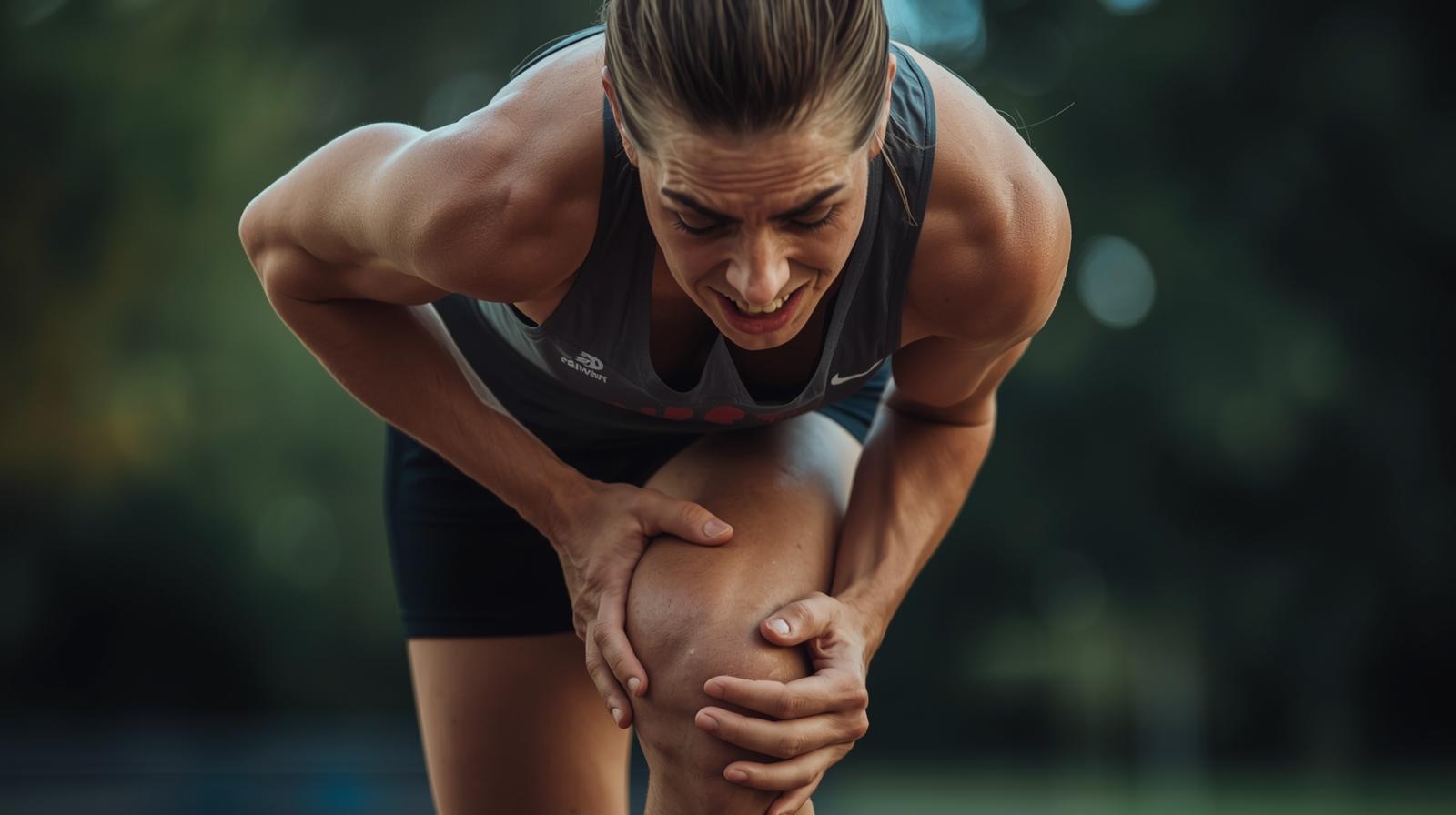
Knee pain

Why Your Knee Pain Is Probably NOT a Strength Problem

Your knee may not be fragile — it may be overloaded.

Knee pain is commonly interpreted as a sign of weakness. But in many cases, the issue is not insufficient strength — it is a mismatch between load and capacity.

Excess body weight, for example, significantly increases mechanical stress on the knee joint. Research suggests that obesity can double or even triple the risk of developing knee osteoarthritis. Approximately 25% of knee pain in older adults is associated with a high BMI (Silverwood et al., 2015).

Previous knee injuries, age-related changes, and sex-specific factors may also increase the likelihood of knee pain (Kim, 2024).

Yet even with these known risk factors, strength alone rarely tells the full story.


The Common Belief

The standard assumption is straightforward:

If the knee hurts, it must be weak.

This belief often leads to predictable advice:

✔ Strengthen the glutes
✔ Strengthen the quadriceps
✔ Perform corrective exercises

Sometimes this works.
But pain is far more complex than the traditional “pain equals weakness” narrative.

But many individuals diligently perform strengthening exercises and continue to experience pain.

Why?

Because weakness is often not the primary driver.


What Actually Might Be Happening

In many cases, knee pain is better understood through three interacting mechanisms:

✔ Load tolerance
✔ Tissue sensitivity
✔ Capacity vs demand


Load Tolerance: The Missing Variable

Load tolerance describes the amount and pattern of mechanical stress that a joint can handle before tissues become irritated.

Knee pain frequently emerges when:

👉 Joint loading chronically exceeds tissue capacity
👉 Loading is insufficient to maintain tissue health

Yes — both overloading AND underloading can be problematic.

Cartilage, tendons, and connective tissues require moderate, cyclic loading to maintain homeostasis (Jahn et al., 2024). There is a physiological “Goldilocks zone” of loading — not too much, not too little.

Crucially, this zone is dynamic.

A load that is harmless for a trained individual may overwhelm someone who is deconditioned.

Obesity further complicates this picture by increasing:

✔ Muscle forces
✔ Ligament stress
✔ Cartilage contact stress

All of which push tissues closer to their mechanical limits (Adouni et al., 2024; Chen et al., 2020).

Well-dosed exercise does not simply “strengthen muscles.” It increases tissue capacity, allowing the same loads to become more tolerable (Logerstedt et al., 2021).


Tissue Sensitivity & Nervous System Involvement

Pain is not purely a structural phenomenon.
Modern pain science increasingly highlights the role of nervous system sensitivity.

Repeated nociceptive input can amplify processing within the nervous system. This means sensations that were once tolerated may become painful, even without progressive tissue damage.

Research suggests that approximately 20–30% of individuals with knee osteoarthritis exhibit features of pain sensitization (Arendt-Nielsen et al., 2010; Fingleton et al., 2015).

In this state:

✔ Smaller load spikes can trigger pain
✔ Movement patterns may change
✔ Activity avoidance may increase

Ironically, excessive protection can further reduce capacity, reinforcing the pain cycle.

This is where graded loading, education, and — when appropriate — interdisciplinary management become critical.


Capacity vs Demand

Strong individuals develop knee pain.

Elite athletes develop knee pain.

Pain does not automatically equal weakness or failure.

Instead, pain often reflects a temporary imbalance between capacity and demand.

Strength training remains important — but not as a magical cure.
When applied correctly, strength training becomes a powerful capacity-building tool

Strength is:

✔ A capacity builder
✔ A load buffer
✔ A resilience enhancer

Not a universal explanation.


Why Strength Alone Often Fails

If load tolerance and tissue sensitivity are primary drivers…

Then isolated exercises like clamshells or band work rarely solve the problem in isolation.

Strength must exist inside a broader framework of:

✔ Load management
✔ Progressive adaptation
✔ Movement variability
✔ Nervous system considerations


Practical Examples

Runner A vs Runner B

Runner A drastically increases training volume with minimal preparation. Pain emerges. Sensitivity rises. Reinjury cycles begin.

Runner B progresses load methodically. Capacity builds. Symptoms remain controlled.

The difference is not discipline — it is dosage.


Sedentary Individual A vs Individual B

Individual A abruptly introduces high training frequency and intensity.

Individual B introduces gradual loading, reduced volume, and staged progression.

Again, the difference is load management — not motivation.


Rest-Only Strategy vs Progressive Strategy

Rest often reduces symptoms temporarily.

But without capacity rebuilding, pain frequently returns upon resumption of activity.


Final Reframe (Knee Pain)

Knee pain is often a capacity conversation, not a strength diagnosis.

Your knee is rarely “weak” in isolation.

More often, it is:

👉 Underprepared
👉 Underloaded
👉 Overloaded
👉 Sensitized
👉 Mismanaged

Strength training is a powerful tool.
But selecting the right training approach matters more than most people realize.

But it is a tool — not the explanation.

Disclaimer

This article is intended for educational purposes only and does not constitute medical advice, diagnosis, or treatment. Individual conditions vary, and persistent or worsening symptoms should be evaluated by a qualified healthcare professional. Always consult your physician before making changes to exercise or rehabilitation programs.


Further Reading / Evidence Sources

Silverwood, V., Blagojevic-Bucknall, M., Jinks, C., Jordan, J., Protheroe, J., & Jordan, K. (2015). Current evidence on risk factors for knee osteoarthritis in older adults: A systematic review and meta-analysis. Osteoarthritis and Cartilage, 23(4), 507–515. https://doi.org/10.1016/j.joca.2014.11.019

Kim, T. (2024). Factors associated with predicting knee pain using knee X-ray and personal factors: A multivariate logistic regression and XGBoost model analysis from the Nationwide Korean Database (KNHANES). PLOS ONE, 19. https://doi.org/10.1371/journal.pone.0314789

Jahn, J., Ehlen, Q., & Huang, C. (2024). Finding the Goldilocks Zone of Mechanical Loading: A Comprehensive Review of Mechanical Loading in the Prevention and Treatment of Knee Osteoarthritis. Bioengineering, 11. https://doi.org/10.3390/bioengineering11020110

Chen, L., Zheng, J., Li, G., et al. (2020). Pathogenesis and clinical management of obesity-related knee osteoarthritis: Impact of mechanical loading. Journal of Orthopaedic Translation, 24, 66–75. https://doi.org/10.1016/j.jot.2020.05.001

Adouni, M., Aydelik, H., Faisal, T., & Hajji, R. (2024). The effect of body weight on the knee joint biomechanics based on subject-specific finite element-musculoskeletal approach. Scientific Reports, 14. https://doi.org/10.1038/s41598-024-63745-x

Logerstedt, D., Ebert, J., MacLeod, T., Heiderscheit, B., Gabbett, T., & Eckenrode, B. (2021). Effects of and Response to Mechanical Loading on the Knee. Sports Medicine, 52, 201–235. https://doi.org/10.1007/s40279-021-01579-7

Arendt-Nielsen, L., Nie, H., Laursen, M. B., et al. (2010). Sensitization in patients with painful knee osteoarthritis. Pain, 149(3), 573–581. https://doi.org/10.1016/j.pain.2010.04.003

Fingleton, C., Smart, K., Moloney, N., Fullen, B., & Doody, C. (2015). Pain sensitization in people with knee osteoarthritis: A systematic review and meta-analysis. Osteoarthritis and Cartilage, 23(7), 1043–1056. https://doi.org/10.1016/j.joca.2015.02.163

Young woman weight training

Be Honest With Yourself – Succeed in Fitness & Life

  • A lot of people are self critical and mistake that with being honest with themselves.
  • A lot of people are deluding themselves into thinking they are doing better than they really are.

How can that be – is it not contradictory?

Well, like everything life is not simply black or white, one way or another. We have grey areas everywhere. In some areas our inner critic comes out and when she/he comes out she means business. If we would hear anyone talking like that to someone we would be like: “Hold on there for a second, you cannot talk to that person like that!”

On the other hand we have often plenty of areas where we think we do pretty well but really may do only a mediocre job at best.

What does that have to do with fitness?

  • The Inner critic: people who have a strong inner critic have often a tendency to be harsh to themselves when they mess up, cheat, etc. The consequence is often that they say in their mind: F*** it, I suck, I already cheated, might as well go for it. In addition, they are more likely to not try again because they don’t want or need that negative feedback anymore. They give up more easily. Research in the field of “Positive Psychology” in the pasts 15 years has shown that people in this area are often doing better by training “mindfulness” in combination with self-compassion. It seems allow them to be human, to not go all out after cheating but resetting their efforts.
  • The person who thinks they eat or exercise better than they really do has a different problem. They don’t understand why they don’t make any progress despite their perceived effort. If you fall into this category, get an honest assessment by a third party like a trainer. Write down your training and the times you actually went, the effort you put in. Write down your food intake clearly to see for you and your personal trainer. It is eye opening and often fixes the problem.

What does that mean for you?

It is important to find a positive but honest environment that supports your efforts and holds you accountable. Your spouse or partner is often not the right person for that job because we have a tendency to take things to personal. Better would be a life coach, personal trainer, doctor, or dietitian. If for some reason you cannot afford that make sure to write it down for yourself. There are also “mindfulness classes” that help you be more self aware and teach self compassion as well.

If you are looking to get help with your program, we are always there for you.

Michael

How to Gain Lean Muscle Mass

Last week I wrote about the 21 day fat flush. Today we have completely different topic. The eternal

Muscle training at Shape Up Fitness & Wellness Consulting
Is your muscle mass increasing?

quest for lean muscle mass and what we can do to not primarily gain body fat.

This is not nearly as easy as you think unless you have by nature a more mesomorph body type. You are one of those people who look at weights and gain a pound of muscle doing so.

For most of us that is not true. If you are the person that is really lanky and lean, aka have an ectomorph body type, then gaining lean muscle is more difficult. The same goes for someone who is shorter and more prone to accumulate body fat. Changes in their nutrition can easily lead gaining weight…the wrong kind that is.

What is the best way to approach it?

Your pantry

  1. Throw away cookies, candy. You can keep whole brown rice, potatoes, & whole grain bread if you desire. Try to keep low processed carbs in your pantry.  :-)
  2. As with the fat flush I recommend consuming foods that are highly unprocessed. For that reason I like the paleo forum for my protein & veggie recipes.
  3. Veggies are an important source of vitamins, phytonutrients, etc, so they stay an important part of your nutrition.
  4. Prep your food (slice veggies, fruits). Cook your meals for the whole week (5 days at least)
  5. If you are still working out at home, this is the time you might want to get a gym membership. If you really want to gain muscle mass then the more diverse equipment at the gym (cables, dumbbells, barbells, medicine balls, etc) are more likely to be what you need then your two rubber bands and three dumbbells. Don’t get me wrong, you can get it done at home but the gym is the better place.

How to eat!

The food rules are different for someone who wants to gain muscle mass versus losing body fat. Here is the reason why. You need fuel and not too little of it. If you are constantly below your caloric needs you will never gain mass. Just like weight loss, habit changes introduced one at a time over the course of a couple of weeks have the biggest chance for success.

  1. Eat faster and until you are full with each meal unlike weight loss clients who should eat slowly and until they are about 80% full.
  2. Vegetable portions: 1 fist size for women, men: 2 fist sizes
  3. Have protein with each meal. Women: 1 Palm size, men: 2 palm sizes. Your choice of beans, fish, meat, poultry, greek yogurt, some cheese, etc.
  4. Have fats: Women: 1 thumb-tip size, men: 2 thumb-tip sizes
  5. Carbs is where the big difference is. You need energy to perform well in your training. Taking in 1-2 cupped handfuls of carbs/meal for women or 2-3 cupped handfuls for men will provide you with a higher carbohydrate intake that supports gaining muscle mass in conjunction of your high protein intake (~1-1.25g/lb of body weight)
  6. Supplements taken daily: Creatine (5g) during submaximal training and a carb+protein drink (30g of carbs/10gs of protein)  prior & during workout.
  7. Have a protein/carb rich meal after your workout.

How to go about exercise:

  1. You will have 4-5 quality workouts per week.
  2. Two rest days or cross training (~15-20 min of cardio)
  3. Your warm up is still dominated by the sequence: foam-rolling, stretching + dynamic warm up
  4. Cardio does not play a big roll during this training phase. Remember the goal is to gain weight, more specifically muscle mass. We want the signals to your body pretty clear, especially if you are ectomorph!

Weekly Training Routine

This routine is designed to preserve or build lean muscle mass, You will have 2-3 days off or have some light cardio during these days.

Monday Knee Dominant/Pushing Workout (60 min)

  1. Warm Up
    1. Foam Rolling: Glutes, back, quads, shoulder area, lats
    2. Stretch: hamstrings, calves, quads, hip flexor, chest,
    3. Active Warm Up: (sets of 10) squats, push ups, side lunge, band pull aparts, band walks
  2. Workout
    1. Group
      1. Single Leg Squat with Dumbbells on Bench (4-5×8)
      2. Alternating Dumbbell Chest Press (4-5×8)
      3. Wall Angels (facing the wall) (3×12)
    2. Group
      1. Front Box Squat Barbell (3-4×8-10)
      2. Half-kneeling single arm shoulder press with kettlebell, bottom up (3-4×12)
      3. External Rotation on cable (3×12)
    3. Group
      1. Triceps Overhead cable extension (4×12)
      2. Pec Flys Cable (4×12)
      3. Snow Angels on Foam roller (Chest Stretch

Tuesday Hip Dominant/Pulling (60-70 min) 

  1. Warm Up
    1. Foam Rolling: Glutes, back, quads, shoulder area, lats
    2. Stretch: hamstrings, calves, quads, hip flexor, chest,
    3. Active Warm Up: (10 each) single leg deadlift pattern w/ med ball, band pull aparts, Glute bridges, band walks, high knee runs, side shuffle
  2. Workout
    1. Glute Bridges (4-5×8) w/ 70-90s Rest Interval
    2. Pairing
      1. Pull Ups narrow grip (4-5×8 w/ assist or additional weight as needed)
      2. Side lunges w/ dumbbells (4-5x10ea side)
    3. Group
      1. Single arm Row (3-4×10)
      2. Cable Single arm Deadlift (3-4×10)
      3. Alternating Hammer Curls Dumbbell (3-4×12)
    4. Group
      1. Plank (3x45s)
      2. Concentration curls dumbbells (3×15)
  1.  Thursday Knee-dominant/Pressing (60-70 min)
    1. Warm Up
      1. Foam Rolling: Glutes, back, quads, shoulder area, lats
      2. Stretch: hamstrings, calves, quads, hip flexor, chest,
      3. Active Warm Up: (sets of 10) squats, push ups, side lunge, band pull aparts, band walks
    2.  Workout
      1. Group
        1. Reverse Lunge w/ knee lift (4-5x8ea)
        2. Barbell Bench Press w/ 4s eccentric movement (4-5×8)
        3. Dead Bug (3-4×45-60s)
      2. Group
        1. Leg press (3×12)
        2. Alt. Shoulder Press Dumbbell S (3×12)
        3. Single leg squat holding on to TRX (3x12ea)
      3. Group
        1. Single Arm Underhand Triceps Extension (5×15)
        2. Lateral Arm Raises (4×15)

Friday Hip Dominant/Pulling (60-70 min) 

  1. Warm Up
    1. Foam Rolling: Glutes, back, quads, shoulder area, lats
    2. Stretch: hamstrings, calves, quads, hip flexor, chest,
    3. Active Warm Up: (10 each) single leg deadlift pattern w/ med ball, band pull aparts, Glute bridges, band walks, high knee runs, side shuffle
  2. Workout
    1. Sumo Deadlift (4-5×6)
    2. Pairing
      1. half kneeling lat pull (4-5×8)
      2. Single leg bridge (5×8)
    3. Group
      1. Dumbbell Row, supinated (3-4×10)
      2. Band walk (3-4×4)
      3. 7/7/7 biceps Curls (3-4xsets)
    4. Group
      1. supine single leg tuck in on cable (3x15ea)
      2. Reverse Cable Flys (3-4×13)
  • Saturday steady state cardio
    1. optional core and arm workout
  • Sunday off

As always, you want to make sure that your form is good!

Let me know if you need any help!

Michael

How Low Can You Go – Or What Is A Good Squat Range?

In one of my recent Facebook and Google+ posts I talked about the importance of maintaining spinal integrity during a squat. A lot personal training clients come to us had back, knee or hip injuries before.

For a long time there was the believe that you should not squat below a 90° angle in the knee. This has changed in the past couple of years and the fitness industry has encouraged people to squat lower.

There have been terrible consequences. Without really knowing how to perform a squat safely, or knowing if they have the physical capabilities people have driven their butt to the floor and are getting injured. I will give you an example from Youtube. The stuff people put there is fantastic learning material on how not to do it!

Start watching at 35s. You only need to watch the first squat. It is bad enough.

Now, despite the fact that there is about everything wrong with this squat, he goes into hyperlordosis, and proceeds to have a terrible butt wink, and then comes up with terrible form, we focus on the hip tucking under!

Todays blog is only about the butt wink!

So what in the world is that. The butt wink is the part when your hip tucks under and you start rounding your back. If you look at the two photos below you will see the difference between a proper bodyweight squat and one where I am going too low.

If done correctly the back should maintain it’s natural S-curve.

bodyweight squat with S-Curve maintained

The red line I used, helps to clarify how spinal integrity is maintained. If you are looking now at the second picture you will see that I am going lower, since we all know, lower is better! Well, maybe not:

Bodyweight squat without spinal integrity

My butt is tucking under. For several reasons I am physically not capable of going that low without compromising my back. Those reasons can be tight muscles, structural hip problems, pain, you name it. The pressure on those lumbar discs is exponentially higher in the lower picture. I might not get hurt doing it once or twice or twenty times but with more load or repetition I could get severely injured and risk a permanent impairment. If you want to squat better reduce the range of motion. Don’t get me wrong, I am all for a full range squat, if you can perform it safely without getting injured.

Here is how a squat, in this case a front squat should look like. Don’t get me wrong. This is not perfect. For one I am not happy with my head positioning, but that is a topic for another time. The lumbar spines integrity is maintained. I am minimizing shearing forces on the disc.

I hope this has been helpful to you. Happy squatting!

Your comments and questions are always welcome.

Have a wonderful day,

Michael

The Charlotte Ultra Run – A Great Way Of Starting Into Your Ultra Run Experience

Last year I started running Ultra-Marathons. That seems kind of crazy since I have only done two marathons prior to it. On September first I participated in the Iron Mountain 50 Mile Ultra-Marathon and it was a fantastic experience. This past Saturday 2/1/2013 I participated in the Charlotte Ultra Run, a 50k here on the Mallard Creek Greenway. This is the second time this race was held, but the first time for me to participate.

It was pretty darn cold on Saturday. When I made my decision on what to wear I had to weigh between starting temps and temps later on in the race. Since I anticipated to be finished after 4:15 at the latest, I decided to wear my cold weather gear with gloves and sleeves in case I needed to take something off.

820868_4301629026995_2876739_o

The race organization was great. We were able to stay in the local schools gymnasium until the beginning of the race. Everything was organized smoothly and check in as well as medical forms got done without a hitch. At 8 am the gun went off and we started at the same time as the 10 k people. At first it threw me a little bit off since I was not sure who was a 10k or 50k racer, it always helps me to orient myself, but soon I settled into my own pace. The plan was 8 min/miles for 15 miles and then 7:40 min/miles for the second half of the race (in a perfect world).


I started too fast and paid for it on loop 4 and 5 of the 6.2 mile course by slowing down considerably. The course is nice and even and the hills are quite small. Throughout the race personal was checking up on runners to make sure they were okay and everyone was cheerful and supportive. I can clearly say it was a well supported race.

I came with an average of 3 sec  per min/mile into the finish line than planned which cost me about 3-4 min overall. I am happy about my result but could have done a better job at sticking to my pace.

I consider the race a great way of entering into the world of Ultra-Marathons because of the ease of the course, the great organization and support and the short distance. I caution runners though: It is easy to look at a 31.07 mile event just like you would at a marathon. If you pace yourself at the same speed as what you would consider your marathon pace you might end up fizzling out over the last 5 miles. Make sure to fuel up appropriately and don’t let yourself be swept away by the excitement of the start and run too fast too quickly. I made a rookie mistake and paid for it.

I think I will sign up again for this race. I had a great time and fully plan to beat my time from last year again this time.

Michael Anders

Head Trainer Shape Up Fitness & Wellness Consulting – transforming one life at a time.

You still lift the same weight or run the same pace and don’t seem to get ahead?

Quite frequently I have a new personal training or boot camp client tell me that they just don’t improve, they cannot lift more weight, don’t gain muscle mass, don’t run any faster. They just don’t seem to be able to break the barrier that keeps them from performing better. So the question is, what is the underlying cause in most cases? I am aware that there are several other factors but we will discuss one particular one today.

I am talking about the Principle of Overload

Our bodies are in a certain equilibrium, also called homeostasis. This means that they are adjusted to the fitness level that we currently have and are able to perform well on that level without further adjustment being necessary.

If you want to improve you will have to challenge your body, you have to overload the equilibrium, challenge it, make it work at a level that it is not used to. Elite athletes especially have to find always new ways of challenging their bodies. This change can be brought upon by varying an exercise, changing the intensity, the volume and breaks. I am summing up several principles here as I write this but just know your training has to change and it has to be adjusted not randomly but planned. That is where good coaches, personal trainers or boot camp instructors come into play. Here is are two examples:


45 year old female, runner, cannot push her marathon pace below a 10 min/mile. Her training usually consists of 5 days a week of running, for of those are 4-5 miles with one long one varying anywhere from 13-20 miles. None of her runs include speed work, intervals and she does not do any weight training. Just a minor adjustment by possibly taking out one easy day and adding one day of intervals and one day of speed work will most likely improve her performance.

35 year old “weekend body builder” hast trouble building any mass after about 2 years of training. His training consisted mainly of 2-3 exercises with 5-6 sets and 10-15 repetitions (slow to moderate)  for each muscle group. He was training 4 days a week. Here we could say we just add another training but we won’t. Instead we are going to break his equilibrium by doing some olymping weight lifting exercises to develop power for about 6-8 weeks for about 2 days a week and a strength routine for 2 days that week with 2 Exercises per muscle group  with 5 sets, 5 repetitions at 85-87% RM.

These are just a couple of examples that are not going too much in depth and are much more designed to give you an idea how training can change to lead to more progress.

If you have any questions about your training or want a second opinion on your trainer please feel free to contact me.


Michael

Head Personal Trainer Shape Up Fitness & Wellness Consulting


Why you might not gain muscle mass despite hard training!

Alright,

I have been reading again, I know it is a dangerous thing. But hey you have to do it to stay on top of things. So I was reading Zatsiorsky et Kraemer’s book “Science and Practice of Strength Training” and I can tell you, it sure is not an easy Sunday afternoon read but still highly interesting. I came across an article in there that talked about carbohydrate and protein intake before and and after a strength workout.

Here is the gist of it and I am going to try to simplify it somewhat:

Taking in carbs and protein before and after your workout, may that personal training, on your own or in boot camp, etc. affects the amount of testosterone binding to androgen receptors, which at that point are more receptive to testosterone. Testosteron itself is one of the major players in increased protein synthesis in the muscle but only if bound to a receptor. ERGO: protein intake

So why the hell carbs? Well, carbohydrate intake after your workout is associated with a higher insulin level which itself is responsible not only for the transporting glucose to your muscle cells but also transporting amino acids into the muscle. Additionally growth hormones and insuline like growth factor -1 increase as well with the nutrient intake.

It seems that the food intake may play a major role in optimizing the anabolic environment surrounding a workout.

This is what is suggested: 25-50g of protein (primarily essential amino acids)  and 50g of carbs before and after the workout


Have a great workout,


Michael

Head Personal Trainer @ Shape Up Fitness & Wellness Consulting

Source: Vladimir M Zatsiorsky et William J. Kraemer (2006) Science and Practice of Strength Training (2nd Edition). Human Kinetics

Check out my directorial debut!!! (I want to thank my wife, my sister…)

So I have heard a lot of good things about Omega Sports here in Charlotte from my personal training & boot camp clients. And I finally decided to pay them a visit and let them tell me a little bit more about themselves and what they do. You know me, always trying to find good sources and connections for my clients! Some of them have already used Omega Sports to get a running analysis and followed their recommendations on which shoe would be the best fit.

I thought it might be a good idea to have Adison tell you more about Omega Sports directly and tried my hand at a little impromptu video:


I know where I’m going to get my next pair of running shoes! Not only can I do something for people in need by dropping off my old sneakers but I know that I’ll be in good hands … or feet with my next pair of running shoes.

If you want to know more about Omega Sports visit them at

the Park Road Shopping Center
4271 Park Road
Charlotte, NC 28209
or the web @ www.omegasports.net

Vitamin C, the super vitamin?

A lot of people take vitamins. Physical active people even more, some take doses of 10 to 10 000 times the Recommended Daily Intake (RDA) hoping to supercharge their body. Especially now in the winter time people are often taking vitamin C like candy.
What people need to understand that excess vitamins behave as chemicals in our body.
Megadoses of vitamin C can precipitate gout in persons predisposed to it. Some ethnic groups also have a genetic metabolic deficiency that transforms to hemolytic anemia with excessive vitamin C intake. Irritable bowl can also happen and leads to diarrhea. Against common believe excessive intake of vitamin C does not protect from Upper Respiratory Infections.

So what is the actual RDA for Vitamin C?

Adult Males: 90 mg/day
Adult Females: 75 mg/day
Recommended Intake for Athletes: 200 mg/day (ranges up to 500 mg)

The best sources for vitamin C are fresh fruits and vegetables.

Try to get as much fresh food as possible. I know we are in a pill popping society but supplements are not a replacement for a healthy diet.

Have a fit and healthy day,

Michael Anders

http:/www.shapeupfitnesswellness.com

Sources used:

Bernardot, Dan (2006) Advanced Sports Nutrition – Fine tune your food and fluid intake for
optimal training and performance. Human Kinetics.

Clark, Nancy (2008) Sports Nutrition Guidebook (4th Edition). Human Kinetics.

Mc Ardle, William D. et. al Exercise Physiology – Energy, Nutrition & Human Performance (6th
Edition). Lippincott Williams & Wilkins.

Seraphinite AcceleratorOptimized by Seraphinite Accelerator
Turns on site high speed to be attractive for people and search engines.