Skip to content
Nutrition is a topic with as many opinions as there are people on this planet. Surprisingly, the people who are often most trusted for nutritional advice are good friends, hairdressers, and random people on the street. On the other hand, dietitians, physicians, and nutritionists are often trusted the least, as they’re seen as working for “the man” or other nefarious organizations with villainous goals.
All joking aside, social media and the internet have not made it easier to distinguish scientifically sound information from less ideal advice. Every side claims to have all the evidence supporting their claims, and unless someone knows where to look and actually takes a peek at the science, they can quickly start believing things that are potentially harmful.
Since you don’t want to read a forever-long post, I will try to keep this short and concise and add a short guide at the end.
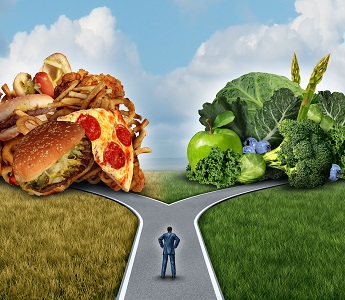
Which Diet is the Right Diet for You?
The diet you can stick to is the right diet. Studies have repeatedly shown that for weight loss, adherence is the most important factor regardless of the diet type (Sacks et al., 2009).
Which Diet is the Healthiest Diet?
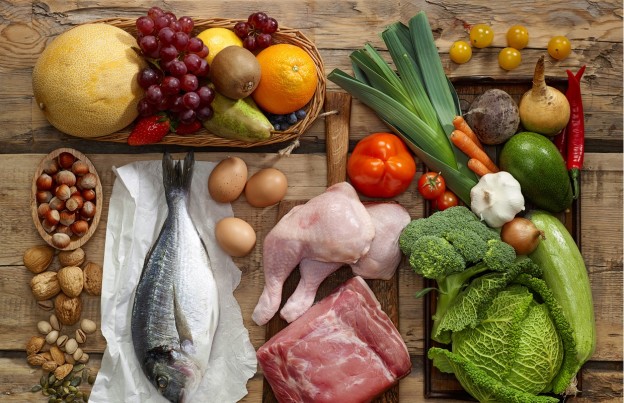
The suggestion is to eat primarily a whole foods diet; foods with fewer ingredients are best. You don’t have to cut out whole food groups to be healthy and lose weight. You might be able to stick better to a low-carb diet, but cutting whole groups out can have negative effects on performance and potentially lead to malnutrition (Johnston et al., 2014).
If you are vegan, you may face challenges such as lower protein intake and potential vitamin B12 deficiency, which is crucial for health (Key et al., 2006). This does not necessarily mean you cannot follow these diets, but you might have to be careful to avoid creating other issues that might negatively impact your health.
Goals and Nutrition: Tailoring Your Diet
1. Weight Loss:
- Higher Protein Intake: Maintaining a higher protein intake while reducing overall food intake supports weight loss (Leidy et al., 2015).
- Whole Foods: Focus on whole foods with plenty of protein and vegetables. Go lighter on fats and carbs, but there’s no need to avoid them entirely.
- Avoid Snacking: Cut out snacking if possible but ensure sufficient food during meals.
- Reduce Alcohol: Limit alcohol consumption.
Food Intake Based on 4 Meals/Day; Females/Males:
- Carbohydrates: ½ cupped handful / 1 cupped handful per meal
- Protein: 1 palm size / 2 palm sizes per meal
- Fats: 1 thumb size / 2 thumb sizes per meal
- Veggies: 1 fist size / 2 fist sizes per meal
2. Muscle Gain:
- Increase Overall Intake: Your overall intake must be larger than your daily needs by about 250 kcal/day (Garthe et al., 2013). Expect some weight gain, but you will build muscle mass.
- Higher Carbs for Training: Increased carbohydrate intake supports harder training sessions.
- Protein, Protein, Protein: Aim for about 0.8-1.1g/lb of body weight per day (Morton et al., 2018).
Food Intake Based on 4 Meals/Day; Females/Males:
- Carbohydrates: 1 ½ cupped handfuls / 3 cupped handfuls per meal
- Protein: 1 ½ palm size / 3 palm sizes per meal
- Fats: 1 ½ thumb size / 3 thumb sizes per meal
- Veggies: 1 fist size / 2 fist sizes per meal
3. Maintaining Fitness:
- Slightly Higher Carbs and Fats: For those looking to stay fit and lean, maintain a slightly higher intake of carbs and fats than those aiming for weight loss.
Food Intake Based on 4 Meals/Day; Females/Males:
- Carbohydrates: 1 ½ cupped handful / 2 cupped handfuls per meal
- Protein: 1 ½ palm size / 2 ½ palm sizes per meal
- Fats: 1 thumb size / 2 thumb sizes per meal
- Veggies: 1 fist size / 2 fist sizes per meal
Flexibility and Adjustments
These recommendations are not set in stone. They are a starting point from which you will need to make adjustments based on your progress.
This approach has worked well for clients and me in the past. It is easily implemented and works well even when eating out.
Personally, I have switched to tracking calories and protein intake. It is neither right nor wrong; it happens to be more accurate for me currently.
Beyond the Basics
This article does not address all areas of nutrition, such as gut microbiome, fiber, vitamins, and supplementation. These aspects become important once you have mastered the basics. Addressing them first is like mowing the lawn while the house burns down. Let’s get the basics down before working on these things.
Conclusion
How do you handle your nutrition?
References
- Garthe, I., Raastad, T., Refsnes, P. E., Koivisto, A., & Sundgot-Borgen, J. (2013). Effect of nutritional intervention on body composition and performance in elite athletes. Medicine & Science in Sports & Exercise, 45(2), 349-359.
- Johnston, B. C., Kanters, S., Bandayrel, K., Wu, P., Naji, F., Siemieniuk, R. A., Ball, G. D. C., Busse, J. W., Thorlund, K., Guyatt, G., Jansen, J. P., & Mills, E. J. (2014). Comparison of weight loss among named diet programs in overweight and obese adults: a meta-analysis. JAMA, 312(9), 923-933.
- Key, T. J., Appleby, P. N., Rosell, M. S. (2006). Health effects of vegetarian and vegan diets. Proceedings of the Nutrition Society, 65(1), 35-41.
- Leidy, H. J., Clifton, P. M., Astrup, A., Wycherley, T. P., Westerterp-Plantenga, M. S., Luscombe-Marsh, N. D., Woods, S. C., & Mattes, R. D. (2015). The role of protein in weight loss and maintenance. The American Journal of Clinical Nutrition, 101(6), 1320S-1329S.
- Morton, R. W., Murphy, K. T., McKellar, S. R., Schoenfeld, B. J., Henselmans, M., Helms, E., Aragon, A. A., Devries, M. C., Banfield, L., Krieger, J. W., & Phillips, S. M. (2018). A systematic review, meta-analysis, and meta-regression of the effect of protein supplementation on resistance training-induced gains in muscle mass and strength in healthy adults. British Journal of Sports Medicine, 52(6), 376-384.
- Sacks, F. M., Bray, G. A., Carey, V. J., Smith, S. R., Ryan, D. H., Anton, S. D., McManus, K., Champagne, C. M., Bishop, L. M., Laranjo, N., Leboff, M. S., Rood, J. C., de Jonge, L., Greenway, F. L., Loria, C. M., Obarzanek, E., Williamson, D. A., & Wing, R. R. (2009). Comparison of weight-loss diets with different compositions of fat, protein, and carbohydrates.New England Journal of Medicine, 360(9), 859-873.