
Buy Doxycycline Without Prescription in the United States Online
- Home/
- Buy Doxycycline Without Prescription in the United States Online
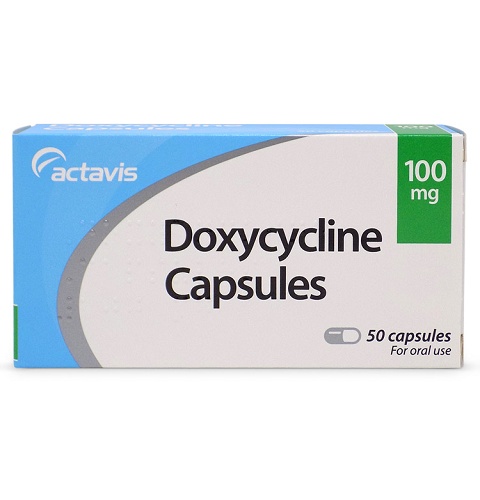
| Medicine Name | Doxycycline |
|---|---|
| Main Ingredient | Doxycycline |
| Category / Use | Antibiotic for bacterial infections |
| Strength Choices | 50 mg, 75 mg, 100 mg, 150 mg |
| How Quickly It Starts Working | Within 24–48 hours after starting treatment |
| How Long It Lasts | Effect persists as long as course is continued; individual doses act for 12–24 hours |
| How to Take | Typically once or twice daily, as prescribed |
| Prescription Needed? | Yes, a prescription is required in the United States |
| Typical Cost in the U.S. | $15–$60 per course (varies by pharmacy and insurance) |
Doxycycline: Comprehensive Guidance for United States Patients
Doxycycline is a prescription antibiotic used to treat a wide variety of bacterial infections, ranging from respiratory and urinary tract issues to acne and certain sexually transmitted diseases. It is widely available through licensed pharmacies in the United States, with its use regulated by the Food and Drug Administration (FDA). While the facts above summarize Doxycycline’s clinical basics, using it for your situation requires understanding whether it’s the right solution for your needs—legally, medically, and practically.
How Common and Treatable Are Bacterial Infections in the U.S.?
Each year, millions of Americans are affected by bacterial infections that require medical attention. According to the Centers for Disease Control and Prevention (CDC), in 2022, over 2.8 million antibiotic-resistant infections occurred in the United States, highlighting both the prevalence of infection and the critical need for effective antibiotic therapy. Common infections treated include respiratory tract infections, urinary tract infections, skin conditions like acne, and diseases such as chlamydia and Lyme disease. The good news: with timely diagnosis and appropriate antibiotics like Doxycycline, most bacterial infections can be managed successfully, reducing the risk of complications or recurrence.
Why Doxycycline Works: Its Action in the Body
Doxycycline belongs to the tetracycline class of antibiotics. It works by blocking the ability of bacteria to produce proteins they need to grow and multiply. Without these proteins, the bacteria cannot survive, and your immune system can clear the infection. In practical terms, patients often notice the first signs of improvement—such as reduced fever, less pain, or clearer skin—within 1–2 days of starting Doxycycline. However, eliminating all the bacteria takes longer, which is why completing the full prescribed course is essential even if you feel better sooner.
- Physiological effect: Stops bacterial growth by interfering with their protein synthesis machinery.
- Patient experience: Symptoms usually begin to subside within 24–48 hours; continued improvement with ongoing use.
- Key requirement: Take the full course as prescribed to prevent resistance and recurrence.
Choosing Doxycycline or Another Option: Which Fits Your Situation?
| Your Situation | Recommended Option | Why This Choice? |
|---|---|---|
| You have a diagnosed bacterial infection (respiratory, urinary, acne, tick-borne, certain STDs) and no history of severe allergies to antibiotics | Doxycycline | It covers a wide spectrum of bacteria commonly responsible for these infections, and is generally well tolerated |
| You are pregnant, breastfeeding, or a child under 8 years old | Alternative antibiotic (e.g. amoxicillin, azithromycin) | Doxycycline may cause tooth discoloration and affect bone development—other antibiotics are safer in these groups |
| You have a known allergy to tetracyclines or have liver/kidney impairment | Use a different antibiotic | Doxycycline can worsen these conditions or cause allergic reactions |
| Your infection is viral (e.g. cold, flu, COVID-19) | No antibiotic therapy | Doxycycline is ineffective against viruses and unnecessary use may promote resistance |
| Traveling to areas with malaria risk (as prevention) | Doxycycline (as prescribed) | It is approved as a preventive measure for malaria in addition to treating infections |
Doxycycline is not a universal solution—specific factors like age, pregnancy status, underlying health conditions, and type of infection will determine whether it is right for you. Always consult your healthcare provider for individualized advice.
How to Use Doxycycline Safely and Effectively
- Timing: Take Doxycycline at the same time each day. Most regimens are once or twice daily, with or without food (food may reduce stomach upset).
- How to swallow: Swallow tablets or capsules with a full glass of water, sitting or standing upright, to reduce risk of esophageal irritation or ulcers.
- What to avoid: Do not take with dairy products, antacids, iron, or magnesium supplements at the same time, as these can lower absorption. Separate by at least 2 hours.
- Missed dose: Take as soon as you remember, unless it’s almost time for your next scheduled dose. Do not double up to catch up.
- When it works: Symptom improvement is often noticeable in 1–2 days, but continue the full course to ensure thorough eradication of bacteria.
- If there’s no improvement: If symptoms worsen or do not improve after 72 hours, contact your doctor. This could signal resistance or a need for a different treatment.
- Stopping early: Do not stop early—even if you feel better—unless instructed by your doctor, as this can lead to relapse or resistance.
“In my experience, the most common mistake is stopping Doxycycline too soon or taking it with calcium-rich foods. Both can undermine success. For best results, take it consistently and complete the entire prescribed course.”
—doctor, Infectious Disease Specialist
When Doxycycline Isn’t Safe: Key Contraindications
- Pregnancy: Not recommended during pregnancy because it can affect fetal bone and tooth development.
- Breastfeeding: Avoided due to potential transfer to the infant and risk of dental staining or bone effects.
- Children under 8 years old: Contraindicated, as it can cause permanent discoloration of teeth and impact bone growth.
- Severe liver or kidney disease: Doxycycline is processed by the liver and kidneys; impaired function can increase side effect risk.
- Known allergy to tetracyclines: If you have had allergic reactions to similar drugs, use is unsafe due to risk of severe hypersensitivity.
If any of these situations apply, your healthcare provider will select a safer alternative for you.
Side Effects: What to Expect and When to Seek Help
- Common side effects (usually mild, resolve with continued use):
- Nausea, upset stomach, or diarrhea
- Sun sensitivity (photosensitivity)
- Headache
- Mild rash
- Less common, may require medical attention:
- Severe skin reactions or persistent rash
- Difficulty swallowing or persistent sore throat (may signal esophageal irritation)
- Persistent vomiting or diarrhea
- Rare, but require immediate attention:
- Severe allergic reaction: swelling of the face/lips/tongue, difficulty breathing, hives
- Severe headache with vision changes (could signal increased intracranial pressure)
If you experience any signs of a severe allergic reaction, call 911 or seek emergency medical help immediately. For any unusual or persistent side effects, contact your doctor promptly. The FDA monitors adverse reactions and medication safety in the United States and encourages patients to report significant side effects.
Medication Interactions: What Not to Combine with Doxycycline
- Antacids (containing aluminum, calcium, magnesium): Can lower Doxycycline absorption—separate doses by at least 2 hours.
- Dairy products: Calcium binds Doxycycline, reducing its effectiveness. Avoid taking together.
- Iron or zinc supplements: Delay these by several hours after your antibiotic dose for best results.
- Blood thinners (e.g., warfarin): Doxycycline can increase the effect—monitoring and dose adjustments may be required.
- Oral contraceptives: Some evidence suggests reduced effectiveness; discuss backup contraception with your doctor.
- Other antibiotics: Combining with certain antibiotics (like penicillins) may interfere with efficacy.
It is important to tell your healthcare provider about all medications and supplements you are taking. If you are unsure about a possible interaction, consult a pharmacist or doctor before starting Doxycycline.
How Does Doxycycline Compare to Other Antibiotics and Alternatives?
| Antibiotic | Typical Uses | Advantages | Limitations |
|---|---|---|---|
| Doxycycline | Respiratory infections, acne, Lyme disease, chlamydia, malaria prevention | Broad-spectrum, available orally, well tolerated, inexpensive, useful for both treatment and prevention | Not safe in pregnancy/young children, photosensitivity, some resistance developing |
| Amoxicillin | Ear, throat, respiratory, urinary tract infections | Safe in pregnancy and children, low risk of sun sensitivity | Not effective against some Doxycycline-sensitive infections (e.g., chlamydia), some allergies |
| Azithromycin | Respiratory, skin, some STDs | Shorter course, fewer doses, generally well tolerated | May cause GI upset, some cardiac risks, resistance increasing |
| Minocycline | Acne, some resistant infections | Similar to Doxycycline, sometimes preferred for skin infections | Higher risk of skin discoloration, vestibular side effects |
Doxycycline is the preferred choice for certain infections, especially where resistance to other antibiotics is present or for conditions like acne and tick-borne diseases. However, alternatives may be better suited for pregnant women, young children, or people with specific allergies. Your doctor will consider these factors, alongside local resistance patterns, before prescribing.
What You’ll Actually Pay for Doxycycline in the U.S.
| Cost Item | Amount | Note |
|---|---|---|
| Doctor visit (in-person) | $80–$200 | For diagnosis and prescription; copays vary with insurance |
| Telemedicine consultation | $30–$75 | Often sufficient for common infections, price varies by service |
| Prescription cost | Included in visit or $10–$20 | Some clinics charge separately |
| Doxycycline medication (10–14 day course) | $15–$60 | Generic is widely available; price varies by pharmacy and insurance |
| Delivery (if ordered online) | $0–$20 | Free with some services, extra for express shipping |
| Total | $45–$280 | Depending on in-person vs. telehealth, insurance, and shipping |
You’ll need a valid prescription to buy Doxycycline in the U.S. Pharmacies—both physical and online (including telemedicine platforms)—require verification, though some online services may streamline the process by including a virtual doctor assessment. Generic Doxycycline is the norm, making it affordable for most, but individual costs will depend on insurance coverage, choice of provider, and delivery preferences.
What About Insurance, Prescription, and Delivery?
- Insurance: Most plans cover generic Doxycycline with a small copay. If uninsured, prices are still moderate, especially online.
- Prescription: Required by law; online pharmacies offering Doxycycline without a prescription are operating outside U.S. regulations. The FDA and state pharmacy boards enforce these rules for patient safety.
- Delivery: Many legitimate online platforms offer shipping, often within 1–3 days. Be wary of any site that skips prescription verification.
If you’re unsure about the legitimacy of an online pharmacy, look for accreditation from the National Association of Boards of Pharmacy (NABP) or use the FDA’s resource for safe online purchases.
What Else Might You Wonder Before Deciding?
- Can I drink alcohol while on Doxycycline? Moderate alcohol intake does not directly interact with Doxycycline, but heavy drinking may strain your liver and reduce immune function. Best practice: avoid or limit alcohol during antibiotic therapy.
- How long should I wait before sun exposure? Doxycycline increases sensitivity to sunlight. Use sunscreen and protective clothing, and minimize direct sun exposure while taking it and for several days after your last dose.
- What if I see a different color or brand than before? Doxycycline generics may vary in appearance but should have the same active ingredient and efficacy. If concerned, ask your pharmacist to confirm the generic’s equivalence.
- Is it safe to use leftover antibiotics? No—for both safety and efficacy. Only use antibiotics that are prescribed for your current infection. Leftover or expired medications may not work and can contribute to resistance.
Doxycycline is a reliable and effective option for a range of bacterial infections when prescribed and taken correctly. If your situation doesn’t match the common scenarios—or if you have additional health conditions—bring these questions to your doctor or pharmacist for tailored advice. Regulatory bodies like the FDA and CDC continually update guidance to ensure antibiotic safety and effectiveness in the U.S. context.
Sources
-
-
0 Comments

