 Skip to content
Lose Weight for Life: A Charlotte Trainer’s Longevity Guide
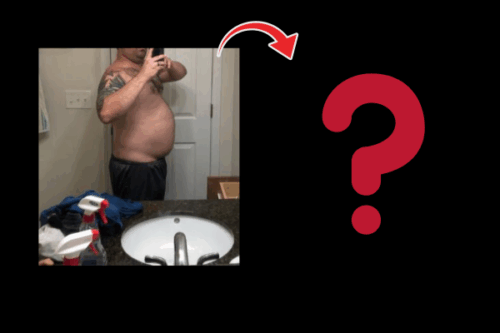
The Science of Sustainable Weight Loss and Longevity
By Coach Michael Anders — Shape Up Fitness & Wellness Consulting, Charlotte, NC
Why a Healthy Weight Matters for Injury Prevention and Longevity
A healthy weight isn’t just about looks — it’s vital for injury recovery and long-term health. In turn, less excess weight means less joint stress and better performance. As an example, your strength-to-weight ratio improves, and so do speed and endurance Try this simple test: strap 25 lbs to yourself and go for a run — you’ll fatigue much faster. A good example for this would be doing push ups or pull ups, any excessive weight will make it increasingly more difficult for us to perform those exercises. Considering long-term, even getting off the toilet may become a challenge if having a weak body is paired with too much weight around the mid-section.
As a Charlotte personal trainer specializing in injury recovery and longevity, I see clients transform as excess weight comes off — strength rises, pain drops, and confidence returns. It is amazing to see when someone comes it at first and struggles with relatively easy exercises to then kick butt. Seeing that smile appear on their face is absolutely one of the most rewarding things to see!
The GLP-1 Era — and How to Succeed With or Without It
Okay, we all have friends that have lost a ton of weight while being on Ozempic and sport their new or old outfits. I totally get it. We live in the age of GLP-1 medications. Many people have used them now and have lost a ton of weight and feel a lot better. However, if you’re using them, build the habits now so your results last when you reduce or stop. For details, see my previous article on navigating GLP-1 inhibitors.
Disclaimer: This article is informational and does not create a client–trainer relationship. Consult your physician or dietitian before making changes to your health plan.
Which Diets Actually Work Long-Term (12–24 Months of Research)
Trends come and go — low-carb, low-fat, Mediterranean, high-protein — but the research is consistent: the best diet is the one you can stick to. So, when looking at diets over 12–24 months, weight-loss outcomes among popular diets are pretty similar.
| Diet Type | Typical 12–24 Month Weight Loss | Notable Points |
|---|---|---|
| Low-Carbohydrate (e.g., Atkins, Keto) | 4–7 kg (8.8–15.4 lbs) | Slight early advantage; long-term similar to others |
| Low-Fat | 4–6 kg (8.8–13.2 lbs) | No long-term advantage over others |
| Mediterranean | 4–7 kg (8.8–15.4 lbs) | May improve heart health; similar weight loss |
| High-Protein | 4–7 kg (8.8–15.4 lbs) | May aid maintenance; modest effects |
| Group/Lifestyle Interventions | 3–7 kg (6.6–15.4 lbs) | Support and frequent contact improve outcomes |
Why a Calorie Deficit Is the Foundation of All Weight Loss
No matter which way you try to skin a cat or lose weight, sustained weight loss requires a calorie deficit. Even with PCOS or other challenges, progress depends on energy balance — some of us simply need tighter systems to reach it. As painful as that can be, in the end eating less than you are putting out is what does the job, every single time.
Practical Portion Tools That Actually Help
| Tool or Method | Typical Use or Advice | Weight-Loss Impact |
|---|---|---|
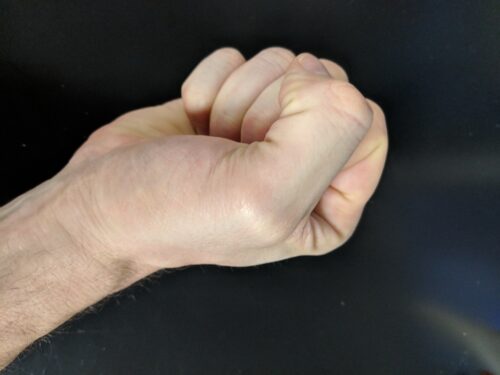
| Hand-Based Guides | Visual estimation (hand/fist/palm) | Modest, supportive |
| Portion Control Plates | Half veggies, quarter protein, quarter carbs | Modest, supportive |
| Calibrated Utensils | Measured serving spoons/cups | Modest, supportive |
These tools shine when eating out or estimating portions, and they work best when paired with support by learning more about nutrition as well as tools that help change behaviors that might lead to you eat too much, e.g. stress eating, boredom eating and so on.
Intermittent Fasting: Helpful, Not Magical
We all have this friend that insists intermittent fasting is the best thing since sliced bread…pun intended. The reality is, this is not so. It is not some magic bullet that fixes it all. Intermittent fasting can work because it helps some people eat fewer calories — not because it’s inherently superior.
When calories are matched, results are similar to other methods. That means, if it works for you, have fun, but otherwise find what serves you best. Personally, calories in vs. out works best for me. I have established that over years and worked on it. For others a specific diet might be better. It is okay! Just don’t become a holy roller and start preaching to others how your way is THE way! It is not, it is just yours. Get over yourself.
How to Stay Lean for 5 Years and Beyond
Long-term success comes from multicomponent lifestyle interventions: Well that is quite a mouthful here but really just means you learn more about nutrition and behaviors that lead to you to fall off the wagon.
You also want to be active on a regular basis, preferably with me as your coach, haha. A good suggestion here is about 3-7 hours of you moving per week.
We are not lone wolfs, we are group animals, so let’s face it having support by people, friends, partners is important. Shaping a new identity can help us and groups like a running club, cycling group, or a local fitness community come in handy— it doesn’t have to be a commercial program.
I tell clients: “I’m an obese person in a lean body.” I weigh my food daily for accountability — not obsession — to stay consistent in any training phase.
Medical & Surgical Options
- GLP-1 medications (e.g., semaglutide, tirzepatide) often sustain 10–15% weight loss when paired with lifestyle changes.
- Bariatric surgery remains the most effective for severe obesity, maintaining 20–30% loss over 5+ years (some regain is common).
- Digital health tools (apps, trackers, coaching) reinforce accountability and maintenance.
8 Key Steps for Sustainable Weight Loss
- Choose a diet you can stick with long-term.
- Maintain a consistent calorie deficit.
- Favor minimally processed foods with adequate protein.
- Track portions (hand guides) or weigh your food.
- Exercise 3–7 hours per week.
- Sleep 7–9 hours nightly.
- Address stress and mental health barriers.
- Find social support (partner, group, or coaching).
Living in Charlotte? Make It Local and Sustainable
Life in Charlotte is busy — work, family, traffic, and everything in between. At Shape Up Fitness & Wellness Consulting in South Charlotte, we build practical, sustainable plans that fit your lifestyle, whether your goal is injury recovery, nutrition coaching, running performance, or lifelong strength.
The Real Cost of Neglect
“I don’t have time” is understandable — but neglect defers the cost to your future self with interest. Healthy living isn’t a guarantee against illness, but it shifts the odds and helps you live longer, stronger, and with higher quality of life.
Coach Michael Anders
Shape Up Fitness & Wellness Consulting Inc., Charlotte, NC
From Injury to Performance™
Book a consultation • Read more articles
Sources:
Jabbour, J., Rihawi, Y., Khamis, A., Ghamlouche, L., Tabban, B., Safadi, G., Hammad, N., Hadla, R., Zeidan, M., Andari, D., Azar, R., Nasser, N., & Chakhtoura, M. (2022). Long Term Weight Loss Diets and Obesity Indices: Results of a Network Meta-Analysis. Frontiers in Nutrition, 9. https://doi.org/10.3389/fnut.2022.821096.
Tobias, D., Chen, M., Manson, J., Ludwig, D., Willett, W., & Hu, F. (2015). Effect of Low-Fat vs. Other Diet Interventions on Long-Term Weight Change in Adults: A Systematic Review and Meta-Analysis. The lancet. Diabetes & endocrinology, 3, 968 – 979. https://doi.org/10.1016/S2213-8587(15)00367-8.
Curioni, C., & Lourenc, P. (2005). Long-term weight loss after diet and exercise: a systematic review. International Journal of Obesity, 29, 1168-1174. https://doi.org/10.1038/sj.ijo.0803015.
Borek, A., Abraham, C., Greaves, C., & Tarrant, M. (2018). Group-Based Diet and Physical Activity Weight-Loss Interventions: A Systematic Review and Meta-Analysis of Randomised Controlled Trials.. Applied psychology. Health and well-being, 10 1, 62-86 . https://doi.org/10.1111/aphw.12121.
Kim, J. (2020). Optimal Diet Strategies for Weight Loss and Weight Loss Maintenance. Journal of Obesity & Metabolic Syndrome, 30, 20 – 31. https://doi.org/10.7570/jomes20065.
Van Baak, M., & Mariman, E. (2019). Dietary Strategies for Weight Loss Maintenance. Nutrients, 11. https://doi.org/10.3390/nu11081916.
Atallah, R., Filion, K., Wakil, S., Genest, J., Joseph, L., Poirier, P., Rinfret, S., Schiffrin, E., & Eisenberg, M. (2014). Long-Term Effects of 4 Popular Diets on Weight Loss and Cardiovascular Risk Factors: A Systematic Review of Randomized Controlled Trials. Circulation: Cardiovascular Quality and Outcomes, 7, 815–827. https://doi.org/10.1161/CIRCOUTCOMES.113.000723.
Clifton, P., Keogh, J., & Noakes, M. (2008). Long-term effects of a high-protein weight-loss diet.. The American journal of clinical nutrition, 87 1, 23-9 . https://doi.org/10.1093/AJCN/87.1.23.
Chawla, S., Silva, T., Medeiros, S., Mekary, R., & Radenkovic, D. (2020). The Effect of Low-Fat and Low-Carbohydrate Diets on Weight Loss and Lipid Levels: A Systematic Review and Meta-Analysis. Nutrients, 12. https://doi.org/10.3390/nu12123774.
Jia, S., Liu, Q., Allman-Farinelli, M., Partridge, S., Pratten, A., Yates, L., Stevens, M., & McGill, B. (2022). The Use of Portion Control Plates to Promote Healthy Eating and Diet-Related Outcomes: A Scoping Review. Nutrients, 14. https://doi.org/10.3390/nu14040892.
Almiron-Roig, E., Majumdar, A., Vaughan, D., & Jebb, S. (2019). Exploring the Experiences of People with Obesity Using Portion Control Tools—A Qualitative Study. Nutrients, 11. https://doi.org/10.3390/nu11051095.
Almiron-Roig, E., Domínguez, A., Vaughan, D., Solis-Trapala, I., & Jebb, S. (2016). Acceptability and potential effectiveness of commercial portion control tools amongst people with obesity. British Journal of Nutrition, 116, 1974 – 1983. https://doi.org/10.1017/S0007114516004104.
Jayawardena, R., Swarnamali, H., Ranasinghe, P., & Hills, A. (2021). Impact of portion-control plates (PCP) on weight reduction: A systematic review and meta-analysis of intervention studies.. Obesity research & clinical practice. https://doi.org/10.1016/j.orcp.2021.01.008.
Kesman, R., Ebbert, J., Harris, K., & Schroeder, D. (2011). Portion control for the treatment of obesity in the primary care setting. BMC Research Notes, 4, 346 – 346. https://doi.org/10.1186/1756-0500-4-346.
Christoffersen, B., Sanchez-Delgado, G., John, L., Ryan, D., Raun, K., & Ravussin, E. (2022). Beyond appetite regulation: Targeting energy expenditure, fat oxidation, and lean mass preservation for sustainable weight loss. Obesity (Silver Spring, Md.), 30, 841 – 857. https://doi.org/10.1002/oby.23374.
Perdomo, C., Cohen, R., Sumithran, P., Clément, K., & Frühbeck, G. (2023). Contemporary medical, device, and surgical therapies for obesity in adults. The Lancet, 401, 1116-1130. https://doi.org/10.1016/S0140-6736(22)02403-5.
Wood, B., Lynch, D., Spangler, H., Roderka, M., Petersen, C., & Batsis, J. (2022). Long‐term weight change after a technology‐based weight loss intervention. Journal of the American Geriatrics Society, 71. https://doi.org/10.1111/jgs.18088.
Abeltino, A., Bianchetti, G., Serantoni, C., Riente, A., De Spirito, M., & Maulucci, G. (2024). Digital Biohacking Approach to Dietary Interventions: A Comprehensive Strategy for Healthy and Sustainable Weight Loss. Nutrients, 16. https://doi.org/10.3390/nu16132021.
Turkkila, E., Pekkala, T., Merikallio, H., Merikukka, M., Heikkilä, L., Hukkanen, J., Oinas-Kukkonen, H., Salonurmi, T., Teeriniemi, A., Jokelainen, T., & Savolainen, M. (2025). Five-year follow-up of a randomized weight loss trial on a digital health behaviour change support system. International Journal of Obesity (2005), 49, 949 – 953. https://doi.org/10.1038/s41366-025-01742-4.
Aderinto, N., Olatunji, G., Kokori, E., Olaniyi, P., Isarinade, T., & Yusuf, I. (2023). Recent advances in bariatric surgery: a narrative review of weight loss procedures. Annals of Medicine and Surgery, 85, 6091 – 6104. https://doi.org/10.1097/MS9.0000000000001472.
Lee, M., Shaffer, A., Alfouzan, N., Applegate, C., Hsu, J., Erdman, J., & Nakamura, M. (2024). Successful dietary changes correlate with weight‐loss outcomes in a new dietary weight‐loss program. Obesity Science & Practice, 10. https://doi.org/10.1002/osp4.764.
Chao, A., Quigley, K., & Wadden, T. (2021). Dietary interventions for obesity: clinical and mechanistic findings.. The Journal of clinical investigation, 131 1. https://doi.org/10.1172/JCI140065.
Zhang, Q., Zhang, C., Wang, H., , Z., Liu, D., Guan, X., Liu, Y., Fu, Y., Cui, M., & Dong, J. (2022). Intermittent Fasting versus Continuous Calorie Restriction: Which Is Better for Weight Loss?. Nutrients, 14. https://doi.org/10.3390/nu14091781.
Ezzati, A., Rosenkranz, S., Phelan, J., & Logan, C. (2022). The Effects of Isocaloric Intermittent Fasting vs. Daily Caloric Restriction on Weight loss and Metabolic Risk Factors for Non-communicable Chronic Diseases: A Systematic Review of Randomized Controlled or Comparative Trials.. Journal of the Academy of Nutrition and Dietetics. https://doi.org/10.1016/j.jand.2022.09.013.
Kim, J. (2020). Optimal Diet Strategies for Weight Loss and Weight Loss Maintenance. Journal of Obesity & Metabolic Syndrome, 30, 20 – 31. https://doi.org/10.7570/jomes20065.
Liu, D., Huang, Y., Huang, C., Yang, S., Wei, X., Zhang, P., Guo, D., Lin, J., Xu, B., Li, C., He, H., He, J., Liu, S., Shi, L., Xue, Y., & Zhang, H. (2022). Calorie Restriction with or without Time-Restricted Eating in Weight Loss.. The New England journal of medicine, 386 16, 1495-1504 . https://doi.org/10.1056/NEJMoa2114833.
Fleischer, J., Das, S., Bhapkar, M., Manoogian, E., & Panda, S. (2022). Associations between the timing of eating and weight-loss in calorically restricted healthy adults: Findings from the CALERIE study. Experimental Gerontology, 165. https://doi.org/10.1016/j.exger.2022.111837.


