...
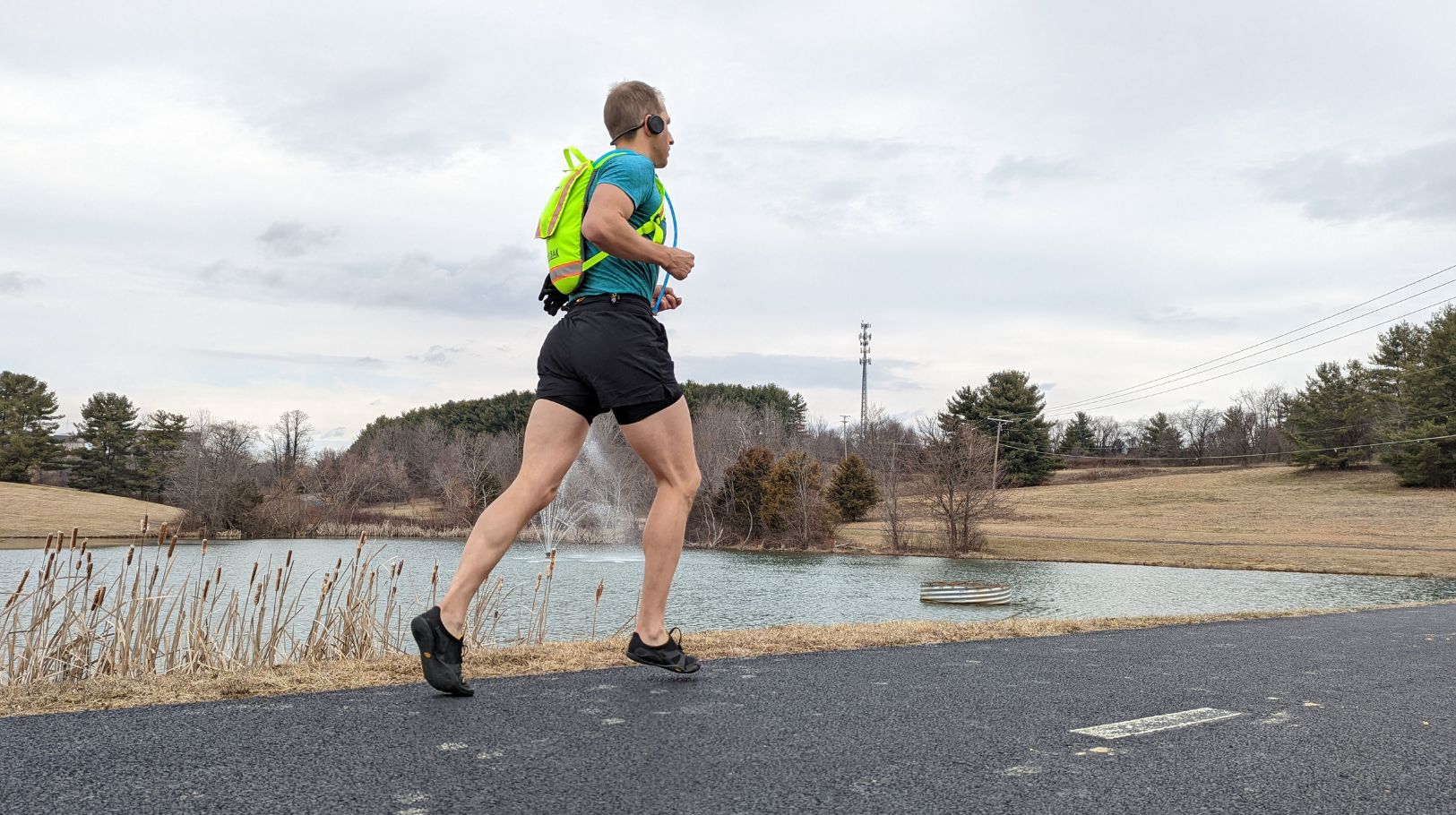
Runner pushing off during stride to illustrate Achilles tendon loading in Charlotte

Achilles Tendon Pain: Why Rest Doesn’t Work and What Helps Instead

Why Your Achilles Pain Keeps Coming Back

Achilles tendon pain is one of the most frustrating overuse problems I see, especially in runners, hikers, and active adults who are trying to do the right thing and still can’t seem to get rid of it.

For most people, the default plan is simple: rest until it stops hurting.

And to be fair, that can calm symptoms down for a little while. But in many cases, it does not actually solve the problem. In fact, complete rest often sets people up for the exact pattern they are trying to avoid: pain goes away, activity resumes, and the pain comes right back.

I see this all the time with people training here in Charlotte. They back off completely, feel better after a week or two, then go for a run on the greenway, take a long walk, do a hard workout, or head out for a hike, and the tendon flares up all over again.

That does not necessarily mean the tendon is permanently damaged. More often, it means the tissue was no longer irritated, but it also was not prepared for the load you asked it to handle.

The Common Misunderstanding

A lot of people assume tendon pain is mainly an inflammation issue.

The thought process usually goes like this:

Pain means inflammation.
Inflammation means rest.
Once pain settles down, the tissue must be healed.

The problem is that Achilles tendon pain often does not work that way.

While inflammation can play a role, Achilles tendinopathy is usually more about load capacity, tendon remodeling, tissue sensitivity, and whether the demands you place on the tendon are greater than what it is currently prepared to tolerate.

That is a very different problem than “just let it calm down.”

What May Actually Be Going On

In many cases, Achilles pain is better understood as a load management and capacity problem than a simple inflammation problem.

A few things are usually involved:

  • how much load the tendon can currently tolerate
  • how well the tendon has adapted to recent training or activity
  • whether the tendon is being irritated more by tensile load, compression, or both
  • how sensitive the tissue and nervous system have become
  • whether daily or weekly demand keeps exceeding the tendon’s current capacity

That is why two people can both have “Achilles pain” and need somewhat different strategies.

Why Complete Rest Often Backfires

One of the most important concepts here is load tolerance.

Load tolerance is simply the amount of stress a tissue can handle before it starts to get irritated.

When your Achilles is painful and you fully stop loading it, symptoms often improve. That part makes sense. But at the same time, the tendon is no longer getting the mechanical input it needs to maintain capacity.

Tendons are not like batteries that recharge best by doing nothing. They are living tissues that respond to appropriate stress. When you underload them for too long, they can become less prepared for the demands of real life.

So yes, pain may decrease with rest. But capacity can decrease too.

That is why so many people get trapped in this cycle:

Pain.
Rest.
Feel better.
Return to activity.
Pain again.

This is the same basic issue I wrote about in Why Your Knee Pain Is Probably NOT a Strength Problem. People often assume the answer is just less pain or more rest, when the real issue is that the tissue is not prepared for the load being put on it.

Tendons Need Load, but the Right Amount

Healthy tendons adapt to loading. With appropriate mechanical stress, they can become stiffer, stronger, and more resilient over time.

But there is a catch: tendons adapt slowly.

Muscle can respond relatively quickly. Tendon usually takes much longer. Meaningful tendon adaptation often takes weeks to months, not days. That is one reason people get impatient and either do too little for too long or too much too soon.

If the tendon is underloaded, capacity tends to decline.
If the tendon is overloaded, symptoms often flare and healing can be disrupted.
The goal is to find the middle ground where the tendon is challenged enough to adapt, but not hammered so hard that it keeps getting irritated.

That is where good rehab and smart programming matter.

Tendon Remodeling and “Failed Healing”

Tendons are constantly remodeling in response to stress.

In a healthy situation, that remodeling process supports collagen turnover, fiber alignment, and tissue resilience. But when loading becomes excessive, too repetitive, poorly timed, or not matched with enough recovery, the tendon can shift away from healthy adaptation and toward a failed healing response.

That is where you start to see changes in the tendon itself, including collagen matrix disruption, altered cellular behavior, vascular changes, and changes in how the tissue responds to load.

This is one reason why simply waiting for pain to disappear is often not enough. Symptoms may settle before the tendon has rebuilt the load tolerance needed for training, running, hiking, or even long periods on your feet.

Why the Location of Pain Matters

Not all Achilles pain behaves the same.

Insertional Achilles Tendinopathy

If the pain is right down near where the tendon attaches to the heel bone, compression often plays a bigger role. These cases are commonly aggravated by deeper ankle dorsiflexion, especially when the tendon is being compressed against the calcaneus.

In these cases, early management often goes better when people avoid:

  • aggressive calf stretching
  • deep dorsiflexion positions
  • heel drops below neutral
  • exercises that repeatedly compress the tendon at the insertion

Sometimes a temporary heel lift can also help reduce irritation.

Mid-Portion Achilles Tendinopathy

If the pain is higher up in the tendon, a few centimeters above the heel, this is more often a mid-portion issue. These cases are usually more tension-dominant and often respond well to progressive tensile loading, including heavy slow resistance and eccentric-based work when used appropriately.

This distinction matters because what helps one presentation can aggravate another.

Pain Is Not Just About Structure

Another piece people miss is tissue sensitivity.

Pain is not always a direct measurement of damage. Once a tendon has been irritated repeatedly, the tissue and nervous system can become more sensitive. That means loads that used to feel fine may suddenly feel threatening or painful.

This often creates a bad cycle:

  • pain increases
  • people become cautious or fearful
  • loading drops too much
  • capacity falls further
  • normal activity becomes irritating again

That is one reason tendon rehab is not just about making pain disappear. It is about gradually restoring confidence and rebuilding the tissue’s ability to handle load again.

You could also internally link here to your pain article: Pain Is Gain… Or Is It?

Capacity vs. Demand

This is the simplest way to think about most chronic Achilles problems.

Pain often shows up when the demands on the tendon regularly exceed its current capacity.

That can happen because of a sudden spike in training. It can happen because someone was inconsistent and then had one big weekend of activity. It can happen because they rested too long and lost tolerance. It can also happen because recovery, sleep, age, training structure, footwear changes, hills, sprinting, or volume progression were not managed well.

The tendon is not necessarily “fragile.” It is just being asked to do more than it is ready for.

Real-World Examples

I see this pattern in a few common groups.

The Runner

They feel a little Achilles pain, shut everything down, wait until it calms down, and then jump right back into the same pace, mileage, or hills that irritated it in the first place.

The Walker or Hiker

They are mostly fine in daily life, then go do a long walk, a hiking trip, or a big day outdoors without enough preparation. Around Charlotte, that might mean someone feels okay during the week and then overloads the tendon with a long outing after doing very little tendon-specific preparation.

The Weekend Warrior

Low activity Monday through Friday, then intense tennis, pickleball, yard work, hiking, or bootcamp-style exercise on the weekend. The tissue never really builds enough consistency to stay ahead of the demand.

What Actually Helps

In most cases, the answer is not endless rest and it is not just pushing through pain either.

What usually works better is a more structured approach:

1. Progressive loading

The tendon needs load to rebuild capacity. That loading has to be dosed appropriately and progressed gradually.

2. Better load management

You do not want huge spikes in volume, intensity, hills, speed, plyometrics, or weekend activity before the tendon is ready for them.

3. The right exercise selection

Isometrics, heavy slow resistance, and eccentric-based approaches can all be useful, depending on the presentation and the stage of irritation.

4. Recovery

Sleep, recovery, training frequency, and overall life stress matter. This becomes even more important with age, high training volume, or a history of repeated flare-ups.

5. Patience

This is the hard part. Tendon rehab usually moves slower than people want. You are not just trying to get out of pain. You are trying to build a tendon that can actually tolerate life and training again.

The Bigger Reframe

Achilles pain is often not just an inflammation problem.

It is usually a capacity problem.

Rest may reduce symptoms for a while, but load is what helps rebuild resilience. That does not mean reckless loading. It means intelligent, progressive loading with enough patience to let the tendon adapt.

Recovery is rarely perfectly linear. Small flare-ups do not always mean you are going backward. What matters more is the overall trend over time: Is the tendon gradually tolerating more?

That is the question that matters.

Need Help With Achilles Pain in Charlotte?

If you are dealing with recurring Achilles pain and you are tired of the cycle of resting, feeling better, and getting hurt again, I can help.

At Shape Up Fitness & Wellness Consulting, I work with active adults in Charlotte who want to rebuild strength, improve load tolerance, and get back to running, training, hiking, and daily life with more confidence.

If you want help figuring out whether your issue is more related to load management, tendon capacity, exercise selection, or overall programming, you can schedule a consultation here.

About the Author

Michael Anders is a Specialist Personal Trainer for Adults Over 40 and owner of Shape Up Fitness & Wellness Consulting in Charlotte, North Carolina. He specializes in helping active adults rebuild strength, improve movement, and return to training after injury setbacks.

Disclaimer

This article is intended for educational purposes only and does not constitute medical advice, diagnosis, or treatment. Individual conditions vary, and persistent or worsening symptoms should be evaluated by a qualified healthcare professional. Always consult your physician before making changes to exercise or rehabilitation programs.

Further Reading / Evidence Sources

Merry, K., Napier, C., Waugh, C., & Scott, A. (2022). Foundational Principles and Adaptation of the Healthy and Pathological Achilles Tendon in Response to Resistance Exercise. Journal of Clinical Medicine, 11.
Matsui, T., & Tanaka, Y. (2025). Pathophysiology and healing of insertional Achilles tendinopathy. Journal of ISAKOS.
Fang, Y. et al. (2024). Collagen denaturation in post-run Achilles tendons. Science Advances.
Schulze-Tanzil, G. et al. (2022). Tendon healing mechanisms. Bone & Joint Research.
Pringels, L. et al. (2022). Intratendinous pressure changes. Scandinavian Journal of Medicine & Science in Sports.
Bohm, S., Mersmann, F., & Arampatzis, A. (2015). Human tendon adaptation. Sports Medicine – Open.
Pierantoni, M. et al. (2023). Tendon alterations with reduced loading. Acta Biomaterialia.

Knee pain

Why Your Knee Pain Is Probably NOT a Strength Problem

Your knee may not be fragile — it may be overloaded.

Knee pain is commonly interpreted as a sign of weakness. But in many cases, the issue is not insufficient strength — it is a mismatch between load and capacity.

Excess body weight, for example, significantly increases mechanical stress on the knee joint. Research suggests that obesity can double or even triple the risk of developing knee osteoarthritis. Approximately 25% of knee pain in older adults is associated with a high BMI (Silverwood et al., 2015).

Previous knee injuries, age-related changes, and sex-specific factors may also increase the likelihood of knee pain (Kim, 2024).

Yet even with these known risk factors, strength alone rarely tells the full story.


The Common Belief

The standard assumption is straightforward:

If the knee hurts, it must be weak.

This belief often leads to predictable advice:

✔ Strengthen the glutes
✔ Strengthen the quadriceps
✔ Perform corrective exercises

Sometimes this works.
But pain is far more complex than the traditional “pain equals weakness” narrative.

But many individuals diligently perform strengthening exercises and continue to experience pain.

Why?

Because weakness is often not the primary driver.


What Actually Might Be Happening

In many cases, knee pain is better understood through three interacting mechanisms:

✔ Load tolerance
✔ Tissue sensitivity
✔ Capacity vs demand


Load Tolerance: The Missing Variable

Load tolerance describes the amount and pattern of mechanical stress that a joint can handle before tissues become irritated.

Knee pain frequently emerges when:

👉 Joint loading chronically exceeds tissue capacity
👉 Loading is insufficient to maintain tissue health

Yes — both overloading AND underloading can be problematic.

Cartilage, tendons, and connective tissues require moderate, cyclic loading to maintain homeostasis (Jahn et al., 2024). There is a physiological “Goldilocks zone” of loading — not too much, not too little.

Crucially, this zone is dynamic.

A load that is harmless for a trained individual may overwhelm someone who is deconditioned.

Obesity further complicates this picture by increasing:

✔ Muscle forces
✔ Ligament stress
✔ Cartilage contact stress

All of which push tissues closer to their mechanical limits (Adouni et al., 2024; Chen et al., 2020).

Well-dosed exercise does not simply “strengthen muscles.” It increases tissue capacity, allowing the same loads to become more tolerable (Logerstedt et al., 2021).


Tissue Sensitivity & Nervous System Involvement

Pain is not purely a structural phenomenon.
Modern pain science increasingly highlights the role of nervous system sensitivity.

Repeated nociceptive input can amplify processing within the nervous system. This means sensations that were once tolerated may become painful, even without progressive tissue damage.

Research suggests that approximately 20–30% of individuals with knee osteoarthritis exhibit features of pain sensitization (Arendt-Nielsen et al., 2010; Fingleton et al., 2015).

In this state:

✔ Smaller load spikes can trigger pain
✔ Movement patterns may change
✔ Activity avoidance may increase

Ironically, excessive protection can further reduce capacity, reinforcing the pain cycle.

This is where graded loading, education, and — when appropriate — interdisciplinary management become critical.


Capacity vs Demand

Strong individuals develop knee pain.

Elite athletes develop knee pain.

Pain does not automatically equal weakness or failure.

Instead, pain often reflects a temporary imbalance between capacity and demand.

Strength training remains important — but not as a magical cure.
When applied correctly, strength training becomes a powerful capacity-building tool

Strength is:

✔ A capacity builder
✔ A load buffer
✔ A resilience enhancer

Not a universal explanation.


Why Strength Alone Often Fails

If load tolerance and tissue sensitivity are primary drivers…

Then isolated exercises like clamshells or band work rarely solve the problem in isolation.

Strength must exist inside a broader framework of:

✔ Load management
✔ Progressive adaptation
✔ Movement variability
✔ Nervous system considerations


Practical Examples

Runner A vs Runner B

Runner A drastically increases training volume with minimal preparation. Pain emerges. Sensitivity rises. Reinjury cycles begin.

Runner B progresses load methodically. Capacity builds. Symptoms remain controlled.

The difference is not discipline — it is dosage.


Sedentary Individual A vs Individual B

Individual A abruptly introduces high training frequency and intensity.

Individual B introduces gradual loading, reduced volume, and staged progression.

Again, the difference is load management — not motivation.


Rest-Only Strategy vs Progressive Strategy

Rest often reduces symptoms temporarily.

But without capacity rebuilding, pain frequently returns upon resumption of activity.


Final Reframe (Knee Pain)

Knee pain is often a capacity conversation, not a strength diagnosis.

Your knee is rarely “weak” in isolation.

More often, it is:

👉 Underprepared
👉 Underloaded
👉 Overloaded
👉 Sensitized
👉 Mismanaged

Strength training is a powerful tool.
But selecting the right training approach matters more than most people realize.

But it is a tool — not the explanation.

Disclaimer

This article is intended for educational purposes only and does not constitute medical advice, diagnosis, or treatment. Individual conditions vary, and persistent or worsening symptoms should be evaluated by a qualified healthcare professional. Always consult your physician before making changes to exercise or rehabilitation programs.


Further Reading / Evidence Sources

Silverwood, V., Blagojevic-Bucknall, M., Jinks, C., Jordan, J., Protheroe, J., & Jordan, K. (2015). Current evidence on risk factors for knee osteoarthritis in older adults: A systematic review and meta-analysis. Osteoarthritis and Cartilage, 23(4), 507–515. https://doi.org/10.1016/j.joca.2014.11.019

Kim, T. (2024). Factors associated with predicting knee pain using knee X-ray and personal factors: A multivariate logistic regression and XGBoost model analysis from the Nationwide Korean Database (KNHANES). PLOS ONE, 19. https://doi.org/10.1371/journal.pone.0314789

Jahn, J., Ehlen, Q., & Huang, C. (2024). Finding the Goldilocks Zone of Mechanical Loading: A Comprehensive Review of Mechanical Loading in the Prevention and Treatment of Knee Osteoarthritis. Bioengineering, 11. https://doi.org/10.3390/bioengineering11020110

Chen, L., Zheng, J., Li, G., et al. (2020). Pathogenesis and clinical management of obesity-related knee osteoarthritis: Impact of mechanical loading. Journal of Orthopaedic Translation, 24, 66–75. https://doi.org/10.1016/j.jot.2020.05.001

Adouni, M., Aydelik, H., Faisal, T., & Hajji, R. (2024). The effect of body weight on the knee joint biomechanics based on subject-specific finite element-musculoskeletal approach. Scientific Reports, 14. https://doi.org/10.1038/s41598-024-63745-x

Logerstedt, D., Ebert, J., MacLeod, T., Heiderscheit, B., Gabbett, T., & Eckenrode, B. (2021). Effects of and Response to Mechanical Loading on the Knee. Sports Medicine, 52, 201–235. https://doi.org/10.1007/s40279-021-01579-7

Arendt-Nielsen, L., Nie, H., Laursen, M. B., et al. (2010). Sensitization in patients with painful knee osteoarthritis. Pain, 149(3), 573–581. https://doi.org/10.1016/j.pain.2010.04.003

Fingleton, C., Smart, K., Moloney, N., Fullen, B., & Doody, C. (2015). Pain sensitization in people with knee osteoarthritis: A systematic review and meta-analysis. Osteoarthritis and Cartilage, 23(7), 1043–1056. https://doi.org/10.1016/j.joca.2015.02.163

Young woman having knee pain

Case study Melinda – Running a Marathon After Knee Replacement


Situation:

Melinda (name changed) had a knee replacement after struggling with arthritis for the past 15 to 20 years in her right knee. She had been a runner for a couple of years prior to coming to me.

Changes to her running gait and an aggressive strengthening program reduced the pain and enable her to run 4 marathons, several half marathons, a Dopey Challenge, etc.

Even though, changes to her running gait enabled us to continue running 4 about 4 to 5 years before the surgery was inevitable.


Complete Knee Replacement Surgery August


Melinda chose a surgeon who used a minimally invasive procedure that would avoid cutting the muscle tissue.


Post-surgery progress: for the first 3 weeks after surgery Melinda had to focus on regaining range of motion and minimizing the swelling. Driving was not possible yet, and physical therapy was done in-home.

After 3 weeks she started to work with me three days a week again for 60 minutes, as well as with a physical therapist 2 days a week.

After having a conversation with the physical therapist, I decided that the training for her knee replacement recovery needed to focus on several important areas:

  • An increase of range of motion of the knee in regards to flexion to 120-130 degrees as well extension to 0-1 degrees.
  • Improving the proprioceptive reflexes in the surgical leg. Every surgery, and especially replacement surgeries, destroy proprioceptive receptors in the affected tissue. Regaining those abilities is crucial to avoid further injuries in other joints above and below or on the other leg
  • Regaining the strength in the surgical leg as well as overcoming the mental hurdle of using that leg


Training

For the first 5 to 6 weeks off the training, we slowly increased the use of her leg primarily with bilateral exercises due to her inability to fully load the surgical leg.  As we progressed we increasingly focused on unilateral exercises closed kinetic chain exercises in order to minimize the deficit within the surgical leg.

Once a normal gait pattern was established again and the swelling caused by exercise was minimal, we started to reintroduce running patterns into the training.

These running patterns consisted of high knee running, high heels, side shuffle, heel to ball rolling patterns while walking, as well as focusing on Cross diagonal moving patterns with arms and legs.

Upon being able to execute these movements pain-free for a while we started to introduce run/walking back into the training program.

The duration of the run started between 20 and 30 seconds, while the walking interval was 60 seconds to 2 minutes. Even though her capability was higher than that, the goal was to be minimally fatigue only when running.

Throughout this phase, the strength training started to also slowly contain easy plyometric exercises.

Melinda completed her first half marathon after the surgery in the middle of November. She then proceeded to do the Dopey challenge in the beginning of January 2018. The Dopey challenge consists of a 5K, and 10K, 1/2 Marathon, as well as a Marathon on consecutive days.

Even though the healing process in the knee and the surrounding tissue had been going well, I opposed both race events.

The reason for my recommendation was that she had not built up the training mileage prior to the race and the likelihood of injury was too big. The concerned areas for injuries were not the actual knee replacement side, but the hip, the back, as well as the hip or the knee on the other leg.

Despite having worked hard to minimize the deficit on the right leg come on I did not feel confident in her ability to maintain an even running gait throughout the various races.

After the race series, she had only minimal swelling in the surgical leg which was to be expected and not all to worrying.  The problem was though, that she had a strong IT band issue on the left side as well as potential bursitis over the left trochanter major.

The recovery from those injuries took about 4 weeks and included absolutely no running, soft tissue manipulation by her and her massage therapist, and very careful leg training in order to minimize the impact on the site of injury.

We are now at week 5 after the race series and we will begin running again this week with a short distance of 1-2 miles at the most.


Outlook

To minimize further injuries the reintroduction into running will have to be slow. Both legs need to be equally strong and her running movement patterns need to be consistent even when fatigued.

Her strength training will continue to focus on movement education, proprioceptive training, light plyometrics, consistent strength training with a heavy focus on single leg training and hip stabilization.

Her run training will include running drills and a slow increase in her mileage. The goal will be to run a Half Marathon in May/June and a full Marathon end of October.


Conclusion


Running with a total knee replacement is perfectly possible if handled responsibly. Above you see the approach I have used. You cannot control the client and you can see that being too hasty to get back to race events led to consequences.

Having said that, her tenacity and willingness to work hard in physical therapy and personal training led to an incredibly fast recovery. It is amazing what you can accomplish with an exceptional work ethic.

Her physician had approved of her running marathons again.

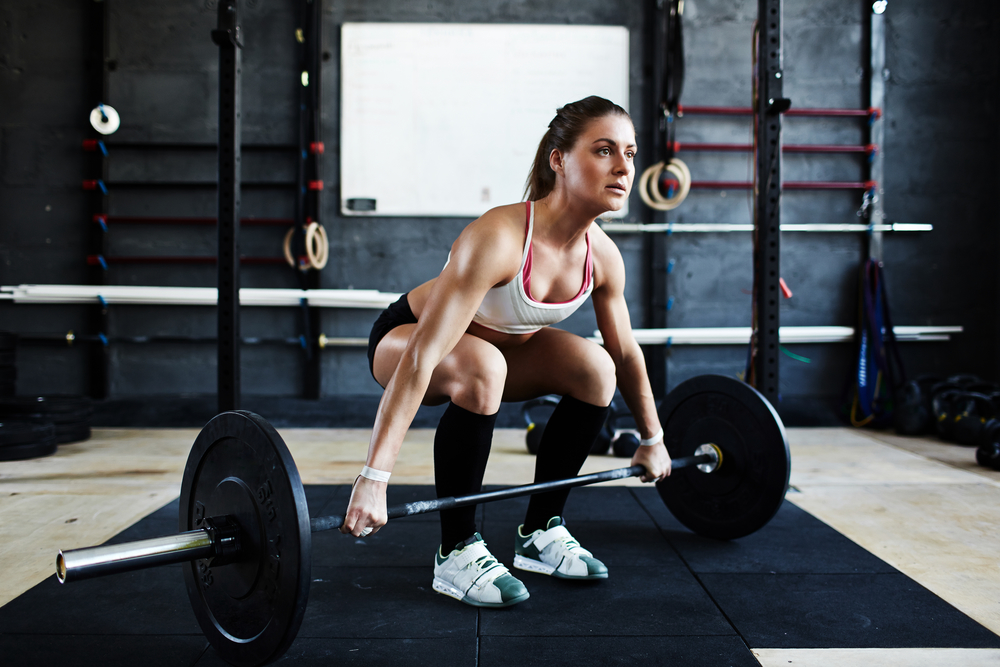
Deadlifts in Charlotte at Shape Up Fitness & Wellness Consulting

Which Deadlift is for YOU?

Deadlifts, many people do them, many variations exist, and many people get hurt. It is a great exercise, and many people call it the king of exercises because of its functionality and how many muscle groups it activates.

The deadlifts we utilize at the gym

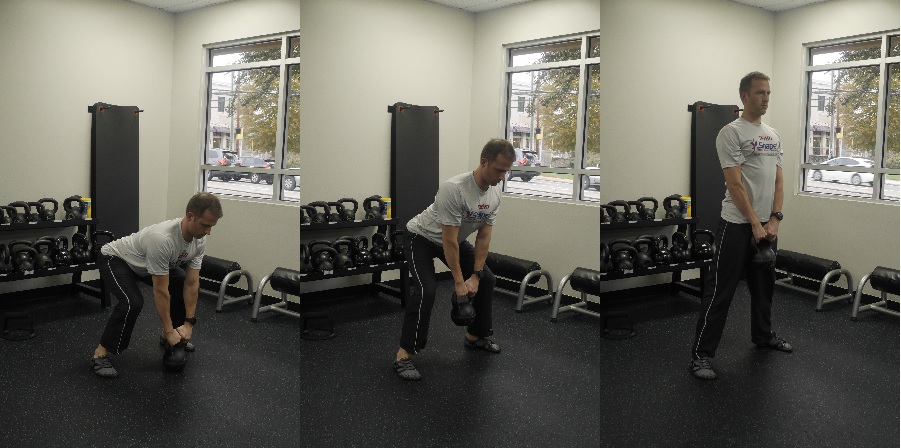
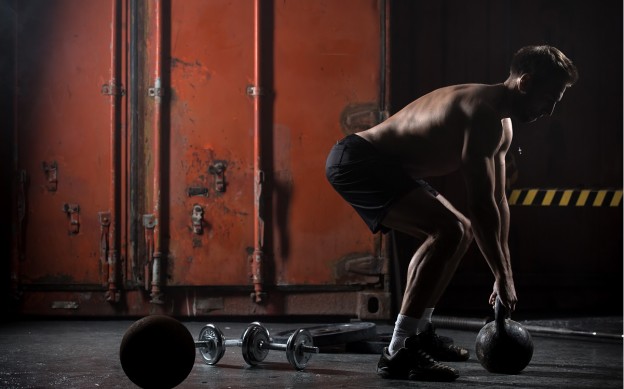
Kettlebell Deadlift

The kettlebell deadlift is done…drumroll…with a kettlebell or two. I know, this came as a big surprise. The advantage of the kettlebell deadlift is that it can help teach a great hip hinge (the thing where your rear shoots out to the back like you are trying to touch the wall behind you) because of the kettlebell placement.
The disadvantage of the kettlebell deadlift is the limited weight. Most gyms don’t have heavy kettlebells (>80 lbs), and you may hit your limit. The kettlebell deadlift is to some extent similar to the sumo deadlift.

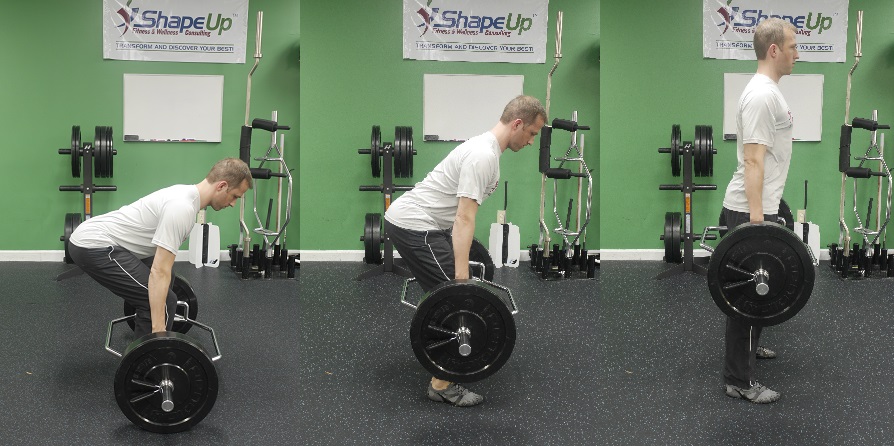
Trap Bar Deadlift

This is a great tool for our clients and people like myself that physiologically do not have the range of motion to perform a deadlift well with a barbell off the ground. The trap bar deadlift can also be an excellent tool for taller people who struggle with a barbell for the same reason. You can have more of a squatting movement with the trap bar set low, or choose more of a hip hinge movement with the bar set higher.
The hand positioning and the shape of the bar make the movement easier. The results are similar to a regular deadlift, and it seems that back pain is less prevalent with a trap bar and since we don’t prep people for powerlifting competition who gives a hoot about which bar I use as long as the results are the same?

Regular Deadlift

The original, best, and the movement some “meatheads” will tell you that if you don’t do twice your body-weight you are not a man. I wonder where they came up with that arbitrary number, but I digress; let’s go back from “real men” to regular people with smaller egos who want to feel healthy and fit. The deadlift is a great exercise but caters to people with relatively short legs and torso compared to arm-length.
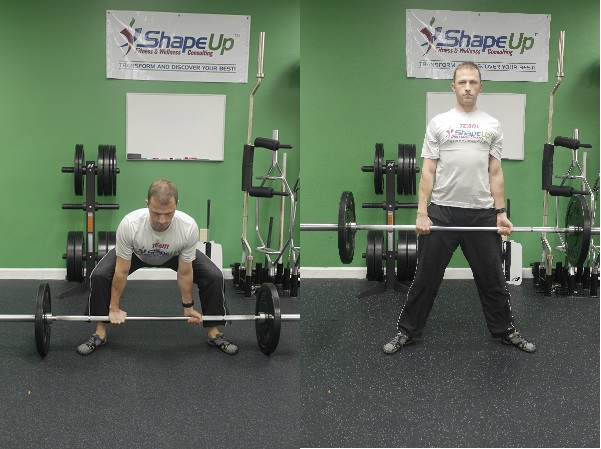
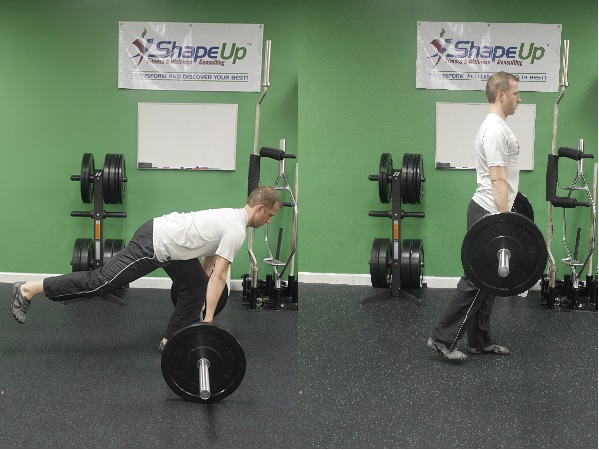
Hey, it is simple biomechanics, longer arms and shorter legs mean you don’t have to pick it up as high. That fact puts people like me who are lanky, have long legs, regular wingspan and long torso at a disadvantage, add in a hip position that does not allow me to squat low in a narrow stance, and I am screwed.
For this reason, I have Troy, one of my personal trainers, demonstrate the movement since it works well for him.
Make sure to figure out if this is for you. The form is everything. Videotape yourself from the side, or have a friend do it. Do it without a shirt if possible, or tight-fitting clothes. It will make all the difference to see.

Sumo Deadlift

I guess people connected the dots and realized that the way up is longer with your stance more narrow and the hand outside of your legs like in the regular deadlift. Taller people often like this deadlift much more than the regular one, because the hand position is inside of the legs, the legs are further apart, and the feet are more rotated externally, which also increases the use of adductors during the movement.

Single Leg Deadlift

The single leg deadlift is a phenomenal tool to balance out leg strength, and for overcoming the bilateral deficit. Huh? What does that mean? The bilateral deficit means that doing an exercise with two legs is less efficient than doing it with one leg. An example would be you performing a deadlift at let’s say 250 lbs but being able to do it single legged with 145 lbs. You can see that the difference is significant – if you added the weight lifted unilaterally, together you would be doing 290 lb deadlifts. Training unilaterally can help you tax individual muscle groups more and reduce the impact on other parts of your body like the back, etc. You can do the single leg deadlift with a landmine attachment, kettlebells, dumbbells, cables, chains, medicine balls, barbells and who knows what else. Some of those tools have an impact on how forces work on your body. A cable, for example, moves the weight more forward on your foot, which will force your quads to work more.


So after reviewing all these basic variations on a deadlift briefly, the question is: Which one to do?

I teach with the kettlebell deadlift at first and then progress to the trap bar deadlift. Unless there is a competition reason, I rarely teach the regular one. The sumo deadlift I add in later. The single leg deadlift, being relatively difficult due to the balancing act, I add in as quickly as possible as a basic movement un-weighted before incorporating it into the training program. It’s a powerful movement that reduces any impact on the spine, and I love it for my clients. Aesthetically speaking, it helps develop nice glutes and can balance out asymmetries.

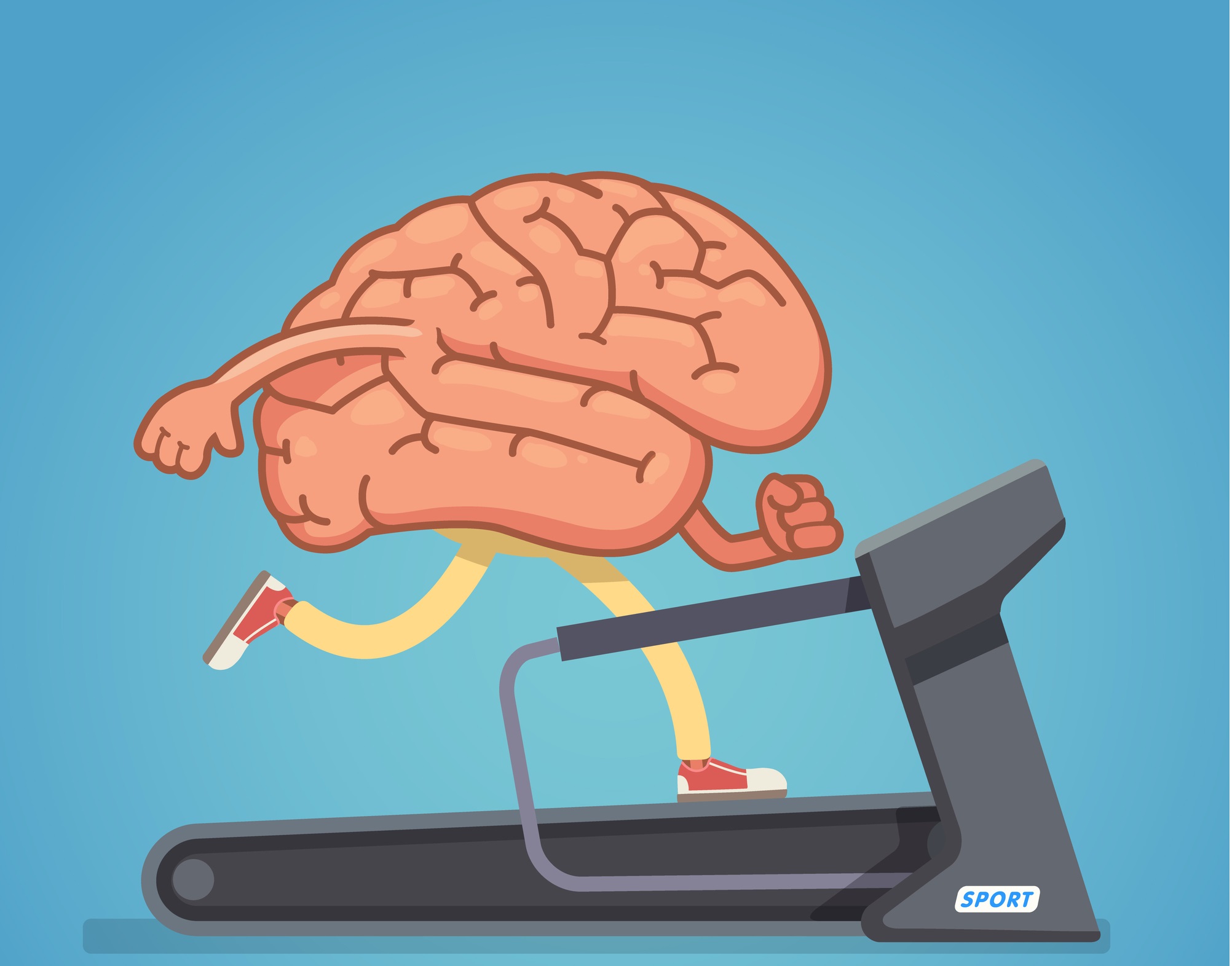
Brain working out on treadmill. Education concept

How Training Can Boost Your Brain Power

I don’t fit the niche of fitness professionals very well, I don’t fit into the bikini or bodybuilding sector. I don’t do crossfit. I am not an elite endurance athlete turned fitness guru.

Instead of that I do martial arts, lift, run, rock climb, & archery. I do all of this at least 3 days a week each. Sometimes just for 20 min at a time but I do it regularly. I like to challenge my body in many different ways. I am not an elite at anything, but I am pretty decent at any of those things (well rock climbing is new, so still learning).

What does this all have to do with training and brain power?

Most of us are not aiming to become fitness models (nothing wrong with that), elite endurance athletes or even do crazy things like Spartan Races. It is not necessary.


But moving your body vigorously is not optional; not just because you want to be thinner, or stronger, or fitter, or etc. but because if you want to age gracefully, or perform better at your job, have more fun or be more active in your personal life, exercise is a crucial component that will help you to keep your marbles together. We will bring discuss this more later. First though the reasons why people don’t exercise.

The reasons not to exercise

I often get to hear the following statements when I mention that working out is important:

  1. I am fine, I don’t feel anything negative: Actions do not always have an immediate, tangible impact. They might compound over time. Who knows, you not being active now might lead to an earlier onset of dementia, an earlier heart attack, etc., you having high blood pressure.
  2. I don’t have time / I am too busy: The fact of life is, that we are all busy. The mother with kids, the business person, the employee. We all have busy lives. They won’t get any less busy. Something usually takes its place. The “I do it later” never comes. In the meantime: You have 10 min before work, at lunch, in between whatever to do something every day. If you did only 10 min a day you sure won’t become a fitness model but you will be healthier and out of about 119 waking hours in a week that would be only 0.9% of your waking time. I guess being too busy is an excuse after all.
  3. I know it is important but xyz hurts: We all have pain and aches. Yes, yours might be a little bit worse than most of ours because you had: an accident, bad arthritis, were born with it, etc. Regardless, there is something you can do. Adjust your workouts to work around your limitations. If Paraplegics can play basketball, if wounded veterans with only 1 functioning limb can conquer a marathon, you can find a way to work around your limitation.  
  4. There is nothing I can do about it, it is hereditary: This is my most favorite one. Throwing up your hands and surrendering is not an option, not unless you DO want to die early or have a miserable life.  It is a choice after all. Just because you might be predisposed to having an issue, does not mean you have to actively make it worse by sitting on your butt. My family is riddled with cancer, I am not going to say: F*** it, I cannot do anything about it, and not do anything to live healthier, make better choices and at least have a better quality of life should cancer strike me down, which is not for certain anyway. I will make an effort, I will struggle and fail many times, but I will give it a shot.

Back on Track

I digressed. This blog post is about the brain and the effect exercise can have on it. These are the effects that exercise has on the brain:

  • Cardiovascular exercise longer than 20-30 min can significantly improve cognitive abilities in people with mental impairments.
  • In healthy, younger adults short high intensity bouts and longer bouts of lower intensity exercise seem to lead to an increased release of BDNF (a factor that stimulates the formation of new brain cells.
  • Regular exercise improves the circulation to the brain and reduces the risk of loss of brain function caused by cerebrovascular atherosclerosis (clogged arteries)
  • Strength training effects on brain health are currently not conclusive enough yet to make a clear statement but it looks positive
  • Positive effects can also be gained from more mundane tasks like driveway basketball, raking leaves, snow shoveling, yard work, etc.
  • Physically fit seniors do significantly better in cognitive tasks than unfit seniors.
  • Regular exercise reduces the loss in gray matter upstairs 🙂 and improves the mental fitness of older adults
  • Stretching and “Toning” exercises by themselves do not have the same positive effect as cardiovascular exercise on the brain
  • Adults who engaged in physical sports, exercise and fitness during their midlife phase suffered significantly less from dementia later on.
  • Exercise might reduce inflammatory processes that interrupt growth stimulation in the brain

The list of research goes on and on and on. It is time to act today. If you want to have an increased chance of aging gracefully, enjoy a full life as a senior it is time to make a decision when you are young or middle aged.

Don’t forget, I am only talking about the effects on the brain at the moment. There is so much more evidence on positive outcomes in other areas.


So what can you do?

Well, the best course of action is having a mixture of cardiovascular activity, balance, challenging coordination exercises etc.  When you are done with that, decide to have a social life. Being socially active seems to increase brain power as well 🙂


  • 3-4 days a week cardiovascular activities: pick up basketball, tennis, running, walking, hiking, nordic hiking, swimming, elliptical, rowing, martial arts, etc.
  • 2-3 days a week of coordinative challenging activities: tennis, basketball, tai chi, martial arts, etc.
  • 1-3 days of active housework: repairs, yard work, etc.
  • Get a social life

Those lists are by no means complete but they give you an idea of the things you can do. It is clearly not just done by doing one thing one time a week.

Now, if you are not able to do all of these things, don’t despair. Some action is better than no action. I am a person that has a tendency to be all or nothing. That has shown to be detrimental as I was growing my business. I had to learn that sometimes a little is still good. Just do as much as you can. Start with less instead of packing your plate full. Do 10 min every day and work yourself up from there.


The message is clear:


Conclusion

Be active, do some cardiovascular activity regularly every week and challenge your coordinative system to have a good chance at aging gracefully and have the opportunity to not just perform better when young but have an improved quality of life when older.

Have an awesome day,


Michael


Resources:

http://jap.physiology.org/content/111/5/1505.short

http://www.mayoclinicproceedings.org/article/S0025-6196(11)65219-1/fulltext?refuid=S1064-7481(13)00165-6&refissn=1064-7481

http://www.prevention.com/mind-body/brain-power-workout

https://www.researchgate.net/profile/Nicole_Berchtold/publication/6075740_Exercise_Builds_Brain_Health_Key_Roles_of_Growth_Factor_Cascades_and_Inflammation/links/0fcfd50ef33d16a46f000000.pdf

good athletic form during deadlifts at Shape Up Fitness & Wellness Consulting

Knee Pain from a Different Angle

Knee pain is a very general term and can have many causes. One cause would be trauma. For many of us engaged in physical activities and sports that may be the cause. For the majority of people knee issues seem to creep up especially in their late 30s, 40s and 50s. Often it is associated with someone becoming more active again and picking up a sport, or fitness training to improve their body composition. All of the sudden the knee starts hurting.

To understand better the complexity of the knee we need to understand more about its anatomy.

Knee Anatomy

The knee joint is one of the most complex joints in our body. It consists of

  1. The patellofemoral joint (knee cap to distal part of the femur)
  2. the tibial-femoral joint (the femur interacting with the tibia (shin bone))
  3. It has meniscii functioning as increasing the joint surface and working as shock absorbers. They are C-shaped.
  4. The ligaments attached to the femur, tibia, & fibula lending it stability and guiding movements.
    1. Patella Tendon attaching on the bottom of the patella and allowing the force of the anterior femoral muscles to lead to knee extension by being attached to the tibia
    2. The cruciate ligaments stabilizing the knee in a sagittal plane
    3. The collateral ligaments stabilizing the knee against folding open sideways (coronal plane)
  5. Bursae are little sacks filled with fluid to protect tendons going over bones, etc.)
  6. There is a multitude of muscles working on the knee: flexing, extending, rotation etc.

What does the hip and the foot have to do with my knee?

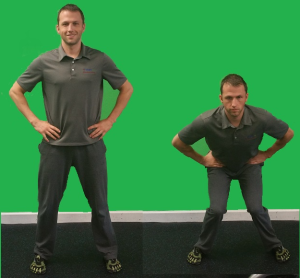
Shape Up Fitness & Wellness Consulting form training
Bad form jumping, like demonstrated can lead to injury

In addition of myriad muscles going over the knee, the hip and the muscles pulling on the hip or the foot position play a major role in your knees function. Inactive gluteal muscles can lead to changes on how the quadriceps pulls on the patella and its tendon. This can have a significant impact on patella positioning, cartilage damage, etc.

A similar situation happens when a foot is not properly supported by its arch and ankle. If your ankle collapses inwards you will have an increased risk of knee injuries due to “overuse” or rather “biomechanics”.

Basically in addition to being sensitive to traumatic injuries (i.e. in soccer, football, tennis etc) the knee is the slave to hip mechanics and foot mechanics.

How can I improve the situation if it is caused by weak hip stabilizers?

There are plenty of things you can do for the hip ranging from functional movements like deadlifts, single leg deadlifts, bridges, single leg bridges to small movements like side to side walk w/ mini-bands, bridge walks, hip hikes. 

Trap bar deadlifts are great because they work hamstrings, glutes, adductors, etc. The single leg version really helps with stabilization and is the functional progression.

I would definitely recommend you supplementing these exercises with movements like loaded bridges, clamshells, etc.

Bridges are absolutely fantastic to activate the glutes in a more isolated fashion than squats and deadlifts. With bridges make sure that the back stays straight. Don’t push the weight over the toes but rather keep the weight on the whole foot or slightly more oriented towards the heel. You have various options to set up the bridge. You can either lay down on the floor, the feet even with the floor, elevate the feet or elevate the back. Elevating the back or feet increases the range of motion and is definitely preferred. If you struggle to use a bench for your back, you can set it up on a 10” box a well. Again, I would recommend to progress to single leg bridges down the road. Make sure to use adequate padding for the bar. The bar should be sitting between pubic bone and ASIS (anterior superior iliac spine)

Clamshells on the other hand are a great isolation exercise that can support the work that you are doing with the compound movements. They are just one of many exercises that can be used for this purpose: quadruped donkey kicks, quadruped fire hydrants, cable kickbacks, back extensions, etc. can all be used to supplement the big movements. 

What You can do for your feet

Short foot exercises like the one in the video are a great tool to work on foot position and strengthening up intrinsic foot muscles. In addition to the isolated exercise make sure to integrate the short foot into squats, deadlifts, etc. 

Conclusion

Knee pain at least due to postural issues and weakness don’t have to be necessarily accepted as part of life. Working on fixing muscle activation & technique training can help clean up your form, improve joint positioning and potentially enable you to be a lifelong healthy athlete.

The sooner someone starts to address these issues the better. Depending on your age and activity level, exercises and foam rolling might not be all that is needed. You might need the synergistic efforts from massage therapists, chiropractors, trainers and your own diligence to get back “on your feet”.

Do not expect immediate and permanent results.You might have had the problems for years and progress might be really slow. If you can reduce pain and increase performance, I consider the effort well worth it.

What if it is not working

Exercises are great but training can only bring you so far. As mentioned above it might take a village to get you back on track. Massages, manual therapy, chiropractic, as well as physical therapists might be necessary to get you started.


References:

http://teachmeanatomy.info/lower-limb/joints/the-knee-joint/
http://www.physio-pedia.com/’Q’_Angle
Schuenke et al.  (2006). Atlas of Anatomy – General Anatomy and Musculoskeletal System. Thieme.


Young woman weight training

Be Honest With Yourself – Succeed in Fitness & Life

  • A lot of people are self critical and mistake that with being honest with themselves.
  • A lot of people are deluding themselves into thinking they are doing better than they really are.

How can that be – is it not contradictory?

Well, like everything life is not simply black or white, one way or another. We have grey areas everywhere. In some areas our inner critic comes out and when she/he comes out she means business. If we would hear anyone talking like that to someone we would be like: “Hold on there for a second, you cannot talk to that person like that!”

On the other hand we have often plenty of areas where we think we do pretty well but really may do only a mediocre job at best.

What does that have to do with fitness?

  • The Inner critic: people who have a strong inner critic have often a tendency to be harsh to themselves when they mess up, cheat, etc. The consequence is often that they say in their mind: F*** it, I suck, I already cheated, might as well go for it. In addition, they are more likely to not try again because they don’t want or need that negative feedback anymore. They give up more easily. Research in the field of “Positive Psychology” in the pasts 15 years has shown that people in this area are often doing better by training “mindfulness” in combination with self-compassion. It seems allow them to be human, to not go all out after cheating but resetting their efforts.
  • The person who thinks they eat or exercise better than they really do has a different problem. They don’t understand why they don’t make any progress despite their perceived effort. If you fall into this category, get an honest assessment by a third party like a trainer. Write down your training and the times you actually went, the effort you put in. Write down your food intake clearly to see for you and your personal trainer. It is eye opening and often fixes the problem.

What does that mean for you?

It is important to find a positive but honest environment that supports your efforts and holds you accountable. Your spouse or partner is often not the right person for that job because we have a tendency to take things to personal. Better would be a life coach, personal trainer, doctor, or dietitian. If for some reason you cannot afford that make sure to write it down for yourself. There are also “mindfulness classes” that help you be more self aware and teach self compassion as well.

If you are looking to get help with your program, we are always there for you.

Michael

A Zombie App can help you with your Fitness in Charlotte at Shape Up Fitness & Wellness

Getting Fit While Zombies Are Chasing You

It is sometimes hard for people to get started working out. There are thousands of apps by now providing you with training tools and good advice but what most apps lack is one crucial thing: The fun factor. 

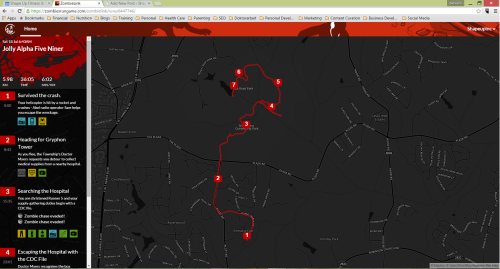
In comes Zombie Run: This running app that puts you into an interactive post-zombie-apocalyptic world full of perils, opportunities and….walking, jogging, or running at your own pace.

What the game provides:

  • The free version provides you with 4 missions to try out.
  • In between game interactions you are able to listen to your own tunes, Pandora, Spotify, etc, the game will automatically pause the music and restart it.
  • It offers an additional “Chase” mode that notifies you with a warning sound of zombies approaching. In order to avoid the zombies you have to pick up your pace by a certain percentage which can be changed in the paid version ($2.99/month or less)
  • During the run you will pick up items that you can later use to distract zombies from catching you (in case you fail to increase your speed enough) or use it to build out your base (speaks to the computer geek inside of us, ahem me)
  • The game provides an interesting story line that keeps you captivated and makes you want to run more
  • The game will track your run statistics and enables you to share them
  • By now they have accumulated over 200 missions for you to do
  • The paid version can be set to automatically go towards the next mission or you can choose to radio mode (default)
  • The game does not dictate your pace other than to speed up during chases. It also does not forces you to change directions
  • Settings to use when you are on an elliptical, rowing machine or treadmill

    Zombie Run App at Shape Up Fitness & Wellness Consulting
    Are you faster than a zombie?

What is my experience:

  • By the time I am writing this I have run two missions with it so far. Running on trails makes it harder to avoid getting caught by zombies due to GPS inaccuracies.
  • Each session so far was about 30-40 min long. I like the radio setting as well as the go straight into the next mission setting
  • It definitely kept me motivated and made me pick up my pace.
  • I have a tendency to push myself and at points I tried too hard to “evade the zombies” which made me gas sooner considering I was running 7-8 miles total in hot and humid conditions
  • I definitely plan to use it more often considering I found the story engaging, the program interactive and it made me work harder. I will to make sure to pace myself.

Summary:

This might not be for everyone but especially for people who like computer games and interactive games this is fun. It can get you motivated to move your butt off the couch. I highly recommend giving it a shot. Become Runner 5 and find out what you can do in-game a well as on the road/trail running

Here is a video that gives you an idea what it sounds like:

back health at Shape Up Fitness & Wellness Consulting

4 Drills for Thoracic Spine & Shoulder Mobility

Due to an increasingly sedentary work environment for most people that involves sitting at a computer for ours typing away or staring at numbers etc. We see more and more people in a posture like the one at the end of the caricature.

evolution-man-computer


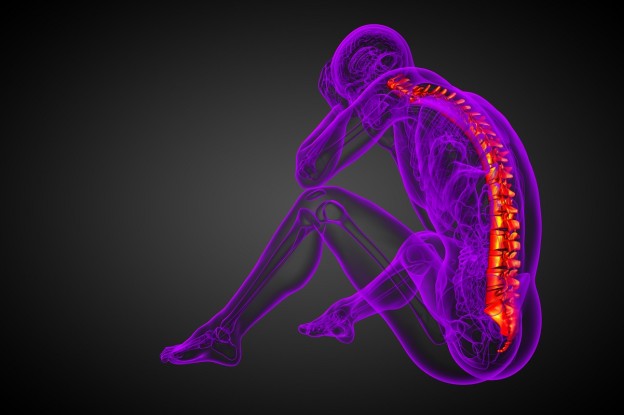
The shoulders are slumped forward and people are constantly hunched. Here are 5 drills you can do to improve thoracic spine mobility, scapula movement, and chest flexibility.

Thoracic Spine Extension

Being in a bent over position for most of the day can wreak havoc on your posture . This drill is great if you have a strong rounding of your back and work in a hunched position

Thoracic Spine Rotational Mobility

If you are lacking rotational mobility this drill is for you. Make sure to keep the back straight, you can support your head with a pillow. Make sure to pinch the foam roller tight and reach towards the ceiling and diagonally out.

Prayer Stretch

This stretch hits thoracic spine extension, scapula movement, triceps stretch & lat stretch. Make sure to keep the head in alignment with your spine, don’t drop it. Keep the back straight, don’t arch your back. If you have a tendency to arch the lower back to avoid the stretch, scoot closer with your knees. This rounds your back more and prevents you to arch.

Pec major & minor Stretch

If you are really tight in your chest use a half foam roller. It puts you into a better position. Press the arms and elbows on the floor and slowly reach beyond your head and pull back. Hold the stretch in a 90 /135 and 180 degree angle for 10-15s.

Have an awesome day,

Michael

Prep for outdoor activities at Shape Up Fitness & Wellness Consulting

Workout Alternatives For The Summer In Charlotte

Working out does not always need to be in a boring gym environment. Sometimes you need to change it up, especially if you want to do something with friends and family. Charlotte has a lot of things to offer. Maybe it is time to apply the fitness you have gained with your personal trainer or a friend to some other activities. Here are some of my favorites, well some I stole from clients :-).

  1. The Whitewater Center is a great place for hiking, mountain biking, rock climbing (artificial wall), flatwater kayaking, whitewater kayaking, zip lining, canopy tours, etc. There are a host of things to do.
  2. You can kayak or paddleboard on Lake Norman
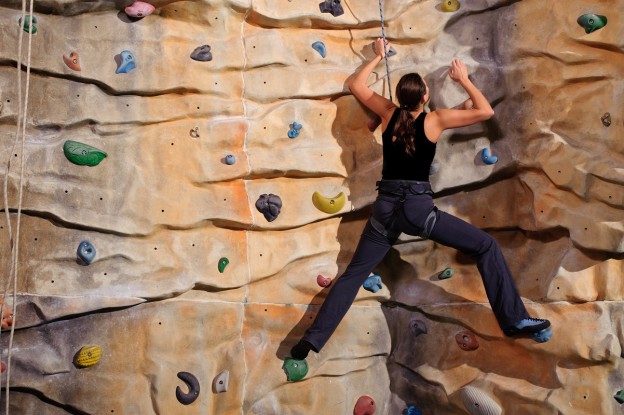
  3. Inner Peaks is a great place if you love to rock climb or would like to learn how to. This indoor facility is great not only when it rains.
  4. Various parks in Charlotte. The greenway system has been built out quite a bit. Walking, running or even hiking through some of the parks is a ton of fun but they offer much more like tennis courts, basketball courts, playgrounds, baseball, etc.
  5. Crowder’s Mountain is a great a place to hike and get a good workout if you don’t mind driving 30-45 min depending on where you live in Charlotte.
  6. Defy Gravity or Sky High are great places if you enjoy a trampoline. There is one up near University area but I am sure there are similar places in town.
  7. Theme Races are more and more up and coming. May it be the Color Run, Spartan Races or Tough Mudder, or more you can always find something that is fun and low pressure.
  8. There are also flag football leagues, soccer leagues, etc. all over town.

There are a ton of things to do in Charlotte and the surrounding area. This is just a small number of the things you can do here in Charlotte.

Now go out there and play 🙂

Michael

Seraphinite AcceleratorOptimized by Seraphinite Accelerator
Turns on site high speed to be attractive for people and search engines.