...

Lose Weight for Life: A Charlotte Trainer’s Longevity Guide

Lose Weight

The Science of Sustainable Weight Loss and Longevity

By Coach Michael Anders — Shape Up Fitness & Wellness Consulting, Charlotte, NC

Why a Healthy Weight Matters for Injury Prevention and Longevity

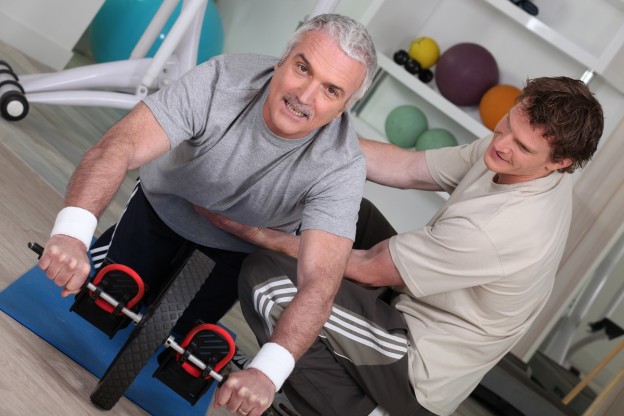
A healthy weight isn’t just about looks — it’s vital for injury recovery and long-term health. In turn, less excess weight means less joint stress and better performance. As an example, your strength-to-weight ratio improves, and so do speed and endurance Try this simple test: strap 25 lbs to yourself and go for a run — you’ll fatigue much faster. A good example for this would be doing push ups or pull ups, any excessive weight will make it increasingly more difficult for us to perform those exercises. Considering long-term, even getting off the toilet may become a challenge if having a weak body is paired with too much weight around the mid-section.

As a Charlotte personal trainer specializing in injury recovery and longevity, I see clients transform as excess weight comes off — strength rises, pain drops, and confidence returns. It is amazing to see when someone comes it at first and struggles with relatively easy exercises to then kick butt. Seeing that smile appear on their face is absolutely one of the most rewarding things to see!
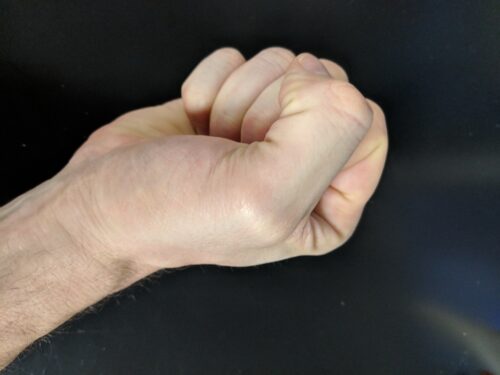
Simple portion frameworks help you stay consistent in real life, even I as a trainer use this when going out.

The GLP-1 Era — and How to Succeed With or Without It

Okay, we all have friends that have lost a ton of weight while being on Ozempic and sport their new or old outfits. I totally get it. We live in the age of GLP-1 medications. Many people have used them now and have lost a ton of weight and feel a lot better. However, if you’re using them, build the habits now so your results last when you reduce or stop. For details, see my previous article on navigating GLP-1 inhibitors.

Disclaimer: This article is informational and does not create a client–trainer relationship. Consult your physician or dietitian before making changes to your health plan.

Which Diets Actually Work Long-Term (12–24 Months of Research)

Trends come and go — low-carb, low-fat, Mediterranean, high-protein — but the research is consistent: the best diet is the one you can stick to. So, when looking at diets over 12–24 months, weight-loss outcomes among popular diets are pretty similar.

Diet TypeTypical 12–24 Month Weight LossNotable Points
Low-Carbohydrate (e.g., Atkins, Keto)4–7 kg (8.8–15.4 lbs)Slight early advantage; long-term similar to others
Low-Fat4–6 kg (8.8–13.2 lbs)No long-term advantage over others
Mediterranean4–7 kg (8.8–15.4 lbs)May improve heart health; similar weight loss
High-Protein4–7 kg (8.8–15.4 lbs)May aid maintenance; modest effects
Group/Lifestyle Interventions3–7 kg (6.6–15.4 lbs)Support and frequent contact improve outcomes

Why a Calorie Deficit Is the Foundation of All Weight Loss

No matter which way you try to skin a cat or lose weight, sustained weight loss requires a calorie deficit. Even with PCOS or other challenges, progress depends on energy balance — some of us simply need tighter systems to reach it. As painful as that can be, in the end eating less than you are putting out is what does the job, every single time.

Practical Portion Tools That Actually Help

Tool or MethodTypical Use or AdviceWeight-Loss Impact
Hand-Based GuidesVisual estimation (hand/fist/palm)Modest, supportive
Portion Control PlatesHalf veggies, quarter protein, quarter carbsModest, supportive
Calibrated UtensilsMeasured serving spoons/cupsModest, supportive

These tools shine when eating out or estimating portions, and they work best when paired with support by learning more about nutrition as well as tools that help change behaviors that might lead to you eat too much, e.g. stress eating, boredom eating and so on.

Intermittent Fasting: Helpful, Not Magical

We all have this friend that insists intermittent fasting is the best thing since sliced bread…pun intended. The reality is, this is not so. It is not some magic bullet that fixes it all. Intermittent fasting can work because it helps some people eat fewer calories — not because it’s inherently superior.

When calories are matched, results are similar to other methods. That means, if it works for you, have fun, but otherwise find what serves you best. Personally, calories in vs. out works best for me. I have established that over years and worked on it. For others a specific diet might be better. It is okay! Just don’t become a holy roller and start preaching to others how your way is THE way! It is not, it is just yours. Get over yourself.

How to Stay Lean for 5 Years and Beyond

Long-term success comes from multicomponent lifestyle interventions: Well that is quite a mouthful here but really just means you learn more about nutrition and behaviors that lead to you to fall off the wagon.
You also want to be active on a regular basis, preferably with me as your coach, haha. A good suggestion here is about 3-7 hours of you moving per week.
We are not lone wolfs, we are group animals, so let’s face it having support by people, friends, partners is important. Shaping a new identity can help us and groups like a running club, cycling group, or a local fitness community come in handy— it doesn’t have to be a commercial program.

I tell clients: “I’m an obese person in a lean body.” I weigh my food daily for accountability — not obsession — to stay consistent in any training phase.

Medical & Surgical Options

  • GLP-1 medications (e.g., semaglutide, tirzepatide) often sustain 10–15% weight loss when paired with lifestyle changes.
  • Bariatric surgery remains the most effective for severe obesity, maintaining 20–30% loss over 5+ years (some regain is common).
  • Digital health tools (apps, trackers, coaching) reinforce accountability and maintenance.

8 Key Steps for Sustainable Weight Loss

  1. Choose a diet you can stick with long-term.
  2. Maintain a consistent calorie deficit.
  3. Favor minimally processed foods with adequate protein.
  4. Track portions (hand guides) or weigh your food.
  5. Exercise 3–7 hours per week.
  6. Sleep 7–9 hours nightly.
  7. Address stress and mental health barriers.
  8. Find social support (partner, group, or coaching).

Living in Charlotte? Make It Local and Sustainable

Life in Charlotte is busy — work, family, traffic, and everything in between. At Shape Up Fitness & Wellness Consulting in South Charlotte, we build practical, sustainable plans that fit your lifestyle, whether your goal is injury recovery, nutrition coaching, running performance, or lifelong strength.

The Real Cost of Neglect

“I don’t have time” is understandable — but neglect defers the cost to your future self with interest. Healthy living isn’t a guarantee against illness, but it shifts the odds and helps you live longer, stronger, and with higher quality of life.


Coach Michael Anders
Shape Up Fitness & Wellness Consulting Inc., Charlotte, NC
From Injury to Performance™

Book a consultation  •  Read more articles


Sources:

Jabbour, J., Rihawi, Y., Khamis, A., Ghamlouche, L., Tabban, B., Safadi, G., Hammad, N., Hadla, R., Zeidan, M., Andari, D., Azar, R., Nasser, N., & Chakhtoura, M. (2022). Long Term Weight Loss Diets and Obesity Indices: Results of a Network Meta-Analysis. Frontiers in Nutrition, 9. https://doi.org/10.3389/fnut.2022.821096.

Tobias, D., Chen, M., Manson, J., Ludwig, D., Willett, W., & Hu, F. (2015). Effect of Low-Fat vs. Other Diet Interventions on Long-Term Weight Change in Adults: A Systematic Review and Meta-Analysis. The lancet. Diabetes & endocrinology, 3, 968 – 979. https://doi.org/10.1016/S2213-8587(15)00367-8.

Curioni, C., & Lourenc, P. (2005). Long-term weight loss after diet and exercise: a systematic review. International Journal of Obesity, 29, 1168-1174. https://doi.org/10.1038/sj.ijo.0803015.

Borek, A., Abraham, C., Greaves, C., & Tarrant, M. (2018). Group-Based Diet and Physical Activity Weight-Loss Interventions: A Systematic Review and Meta-Analysis of Randomised Controlled Trials.. Applied psychology. Health and well-being, 10 1, 62-86 . https://doi.org/10.1111/aphw.12121.

Kim, J. (2020). Optimal Diet Strategies for Weight Loss and Weight Loss Maintenance. Journal of Obesity & Metabolic Syndrome, 30, 20 – 31. https://doi.org/10.7570/jomes20065.

Van Baak, M., & Mariman, E. (2019). Dietary Strategies for Weight Loss Maintenance. Nutrients, 11. https://doi.org/10.3390/nu11081916.

Atallah, R., Filion, K., Wakil, S., Genest, J., Joseph, L., Poirier, P., Rinfret, S., Schiffrin, E., & Eisenberg, M. (2014). Long-Term Effects of 4 Popular Diets on Weight Loss and Cardiovascular Risk Factors: A Systematic Review of Randomized Controlled Trials. Circulation: Cardiovascular Quality and Outcomes, 7, 815–827. https://doi.org/10.1161/CIRCOUTCOMES.113.000723.

Clifton, P., Keogh, J., & Noakes, M. (2008). Long-term effects of a high-protein weight-loss diet.. The American journal of clinical nutrition, 87 1, 23-9 . https://doi.org/10.1093/AJCN/87.1.23.

Chawla, S., Silva, T., Medeiros, S., Mekary, R., & Radenkovic, D. (2020). The Effect of Low-Fat and Low-Carbohydrate Diets on Weight Loss and Lipid Levels: A Systematic Review and Meta-Analysis. Nutrients, 12. https://doi.org/10.3390/nu12123774.

Jia, S., Liu, Q., Allman-Farinelli, M., Partridge, S., Pratten, A., Yates, L., Stevens, M., & McGill, B. (2022). The Use of Portion Control Plates to Promote Healthy Eating and Diet-Related Outcomes: A Scoping Review. Nutrients, 14. https://doi.org/10.3390/nu14040892.

Almiron-Roig, E., Majumdar, A., Vaughan, D., & Jebb, S. (2019). Exploring the Experiences of People with Obesity Using Portion Control Tools—A Qualitative Study. Nutrients, 11. https://doi.org/10.3390/nu11051095.

Almiron-Roig, E., Domínguez, A., Vaughan, D., Solis-Trapala, I., & Jebb, S. (2016). Acceptability and potential effectiveness of commercial portion control tools amongst people with obesity. British Journal of Nutrition, 116, 1974 – 1983. https://doi.org/10.1017/S0007114516004104.

Jayawardena, R., Swarnamali, H., Ranasinghe, P., & Hills, A. (2021). Impact of portion-control plates (PCP) on weight reduction: A systematic review and meta-analysis of intervention studies.. Obesity research & clinical practice. https://doi.org/10.1016/j.orcp.2021.01.008.

Kesman, R., Ebbert, J., Harris, K., & Schroeder, D. (2011). Portion control for the treatment of obesity in the primary care setting. BMC Research Notes, 4, 346 – 346. https://doi.org/10.1186/1756-0500-4-346.

Christoffersen, B., Sanchez-Delgado, G., John, L., Ryan, D., Raun, K., & Ravussin, E. (2022). Beyond appetite regulation: Targeting energy expenditure, fat oxidation, and lean mass preservation for sustainable weight loss. Obesity (Silver Spring, Md.), 30, 841 – 857. https://doi.org/10.1002/oby.23374.

Perdomo, C., Cohen, R., Sumithran, P., Clément, K., & Frühbeck, G. (2023). Contemporary medical, device, and surgical therapies for obesity in adults. The Lancet, 401, 1116-1130. https://doi.org/10.1016/S0140-6736(22)02403-5.

Wood, B., Lynch, D., Spangler, H., Roderka, M., Petersen, C., & Batsis, J. (2022). Long‐term weight change after a technology‐based weight loss intervention. Journal of the American Geriatrics Society, 71. https://doi.org/10.1111/jgs.18088.

Abeltino, A., Bianchetti, G., Serantoni, C., Riente, A., De Spirito, M., & Maulucci, G. (2024). Digital Biohacking Approach to Dietary Interventions: A Comprehensive Strategy for Healthy and Sustainable Weight Loss. Nutrients, 16. https://doi.org/10.3390/nu16132021.

Turkkila, E., Pekkala, T., Merikallio, H., Merikukka, M., Heikkilä, L., Hukkanen, J., Oinas-Kukkonen, H., Salonurmi, T., Teeriniemi, A., Jokelainen, T., & Savolainen, M. (2025). Five-year follow-up of a randomized weight loss trial on a digital health behaviour change support system. International Journal of Obesity (2005), 49, 949 – 953. https://doi.org/10.1038/s41366-025-01742-4.

Aderinto, N., Olatunji, G., Kokori, E., Olaniyi, P., Isarinade, T., & Yusuf, I. (2023). Recent advances in bariatric surgery: a narrative review of weight loss procedures. Annals of Medicine and Surgery, 85, 6091 – 6104. https://doi.org/10.1097/MS9.0000000000001472.

Lee, M., Shaffer, A., Alfouzan, N., Applegate, C., Hsu, J., Erdman, J., & Nakamura, M. (2024). Successful dietary changes correlate with weight‐loss outcomes in a new dietary weight‐loss program. Obesity Science & Practice, 10. https://doi.org/10.1002/osp4.764.

Chao, A., Quigley, K., & Wadden, T. (2021). Dietary interventions for obesity: clinical and mechanistic findings.. The Journal of clinical investigation, 131 1. https://doi.org/10.1172/JCI140065.

Zhang, Q., Zhang, C., Wang, H., , Z., Liu, D., Guan, X., Liu, Y., Fu, Y., Cui, M., & Dong, J. (2022). Intermittent Fasting versus Continuous Calorie Restriction: Which Is Better for Weight Loss?. Nutrients, 14. https://doi.org/10.3390/nu14091781.

Ezzati, A., Rosenkranz, S., Phelan, J., & Logan, C. (2022). The Effects of Isocaloric Intermittent Fasting vs. Daily Caloric Restriction on Weight loss and Metabolic Risk Factors for Non-communicable Chronic Diseases: A Systematic Review of Randomized Controlled or Comparative Trials.. Journal of the Academy of Nutrition and Dietetics. https://doi.org/10.1016/j.jand.2022.09.013.

Kim, J. (2020). Optimal Diet Strategies for Weight Loss and Weight Loss Maintenance. Journal of Obesity & Metabolic Syndrome, 30, 20 – 31. https://doi.org/10.7570/jomes20065.

Liu, D., Huang, Y., Huang, C., Yang, S., Wei, X., Zhang, P., Guo, D., Lin, J., Xu, B., Li, C., He, H., He, J., Liu, S., Shi, L., Xue, Y., & Zhang, H. (2022). Calorie Restriction with or without Time-Restricted Eating in Weight Loss.. The New England journal of medicine, 386 16, 1495-1504 . https://doi.org/10.1056/NEJMoa2114833.

Fleischer, J., Das, S., Bhapkar, M., Manoogian, E., & Panda, S. (2022). Associations between the timing of eating and weight-loss in calorically restricted healthy adults: Findings from the CALERIE study. Experimental Gerontology, 165. https://doi.org/10.1016/j.exger.2022.111837.


The Elusive Balance

The Elusive Balance: Embracing the Other Side

We’re always talking about balance in life.

  • Work/life balance
  • Balancing our needs with the needs of others
  • And so on…

But what does that really mean? If you think about it, it suggests one thing: we’re constantly out of balance. True balance is fleeting—a moment in time, not something we can sustain indefinitely.

This past Labor Day, I decided to take a break from my usual highly-structured routine. After two hours of work in the morning, I committed to doing absolutely nothing productive for the rest of the day. My plan? Sink into video games and movies—preferably both at the same time to satisfy my ADHD cravings—and indulge in some “whole foods” like Oreo cookies, Lay’s Sour Cream & Onion chips, Nutella bread, and cheese nachos. The order of consumption didn’t matter; the goal was simple: sit in my chair for 12-14 hours of gaming bliss.

Mission accomplished.

But why did I do this? What was the point?

Well, my schedule is normally packed. I don’t spend hours scrolling through social media, binge-watching shows, or getting lost in video games. I’m productive, regimented, and in bed by 8:30 p.m. Saying I’m structured is an understatement. But that kind of discipline has a price. Every few months, I start to feel boxed in. And when that happens, I need the complete opposite—an all-out break from routine.

Labor Day arrived right on time this year. I’d been feeling increasingly caged, so I knew it was time to hit the reset button.

Now, I get that I’m probably an extreme case. For you, a break might look different.

After my day of gluttony, I eventually managed to peel myself out of the chair (it took two tries). My body felt ancient, and after a glance in the mirror, I thought for a moment it might be true—just kidding. But honestly, I was grateful. Grateful that I don’t spend most days glued to a chair. The next day, I was genuinely excited to get back to my routine, refreshed and ready to tackle my day.

Occasionally living on the other side of my usual habits makes me appreciate the balance I’ve worked so hard to create. It reminds me of who I am and how far I’ve come. Years ago, I was a video game addict, gaming 40 hours a week while running a business. Reconnecting with that side of myself once in a while gives me the mental break I need and reinforces just how much I’ve grown.

So, what works for you? How do you navigate the fine line between productivity and rest, routine and indulgence? Let’s hear it—how do you balance on that proverbial razor’s edge?

Woman grocery shopping

Grocery Shopping For the New You

Grocery shopping is a problem for many of my personal training clients. They often go several times a week which is advantageousfor fresh items . Very few though cook on a daily basis. Going out to eat is quite common because they feel that time is precious or they are simply too tired after coming home from a busy day.

The Pitfall

Avoid diet traps at Shape Up Fitness & Wellness Consulting
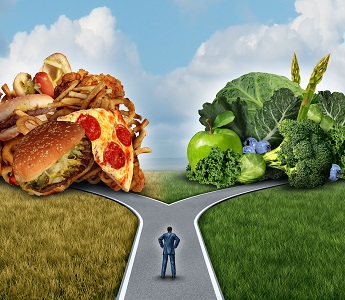
Which way will you go?

There is a pitfall though when you go shopping several days a week. You are a walking by the food that you crave, that you are trying to stay away from. if you are in any way like me, then you have the problem that as long as you don’t see it, you are doing great but that when you go shopping and walk by your addictions, you sometimes cannot help but buy it and as a consequence eat it. It is even worse if I walk into the store unprepared and/or hungry.

How to avoid the traps of store display

Some stores like Harris Teeter allow online shopping. There is no easier way to avoid the displays and candy / icecream traps then shopping online. You don’t even have to enter the store to pick up your food. You have to pay a small amount per shopping but if you get all your grocery shopping done once a week you might spend $10-20 for online shopping/month but have saved way more than that in junk food.

If you are someone who despises online shopping then going in with a plan is the way to go. A detailed shopping list of everything that you truly need is the best. Honestly most of us don’t do that.

Even if you have not made a detailed shopping list you can still walk in with a plan. If you have been following this blog for a while then you know you want to make sure you have enough protein, veggies, some fruit, fats, and maybe some starchy carbs.

  1. Look for your veggies & fruit (produce section or frozen area)
  2. Next, fill up your protein for the week, best choose two for some variation from the meat/poultry/fish section. Look for things that are about to expire or on sale to save some money. Other great sources of protein are eggs, cottage cheese, greek-, European style yoghurt, cottage cheese (dairy section)
  3. Fats you can get in the produce section (avocado), oils (extra virgin olive oil, coconut oil, etc)
  4. Your starchy carbs you can find in the produce/frozen section. You can get some quinoa or brown rice but would stay away from pasta, etc.
  5. If you need some supplementation you can get those at the pharmacy area of your grocery store like whey protein, fish oil, quest bars.
  6. Staples: Toilet paper, etc

For most of your food items you should not have to venture into the middle of the store. Always ask yourself, does the article you are purchasing fall into the categories, protein, veggies, fruit, healthy fats, low glycemic load+index carbs. Shopping for your categories and marking them off mentally might help you stay away from the crap.

Read Labels

Pay attention when reading labels. Foods with long ingredient lists are usually not a good idea.

Learn how to read labels at Shape Up Fitness & Wellness Consulting
Do you read your labels or fall for the manufacturer’s claims

Avoid trans fats or products that add in additional sugars like sucrose, glucose, sugar, maltodextrin, corn syrup, etc.) By the way organic sugar is still just that….sugar. 

Companies make all sorts of claims like: gluten free, health, wholesome, added vitamins and minerals, contains real fruit, natural, fat free, low-carb, high-protein.

Please, just because something is gluten free does not make it healthy. Read the label carefully. Avoiding chemical additives is always an additional benefit.

Conclusion:

  • Shop online if you can
  • Have a detailed shopping list or shop by marking off important categories
  • Never shop hungry
  • Shop on the outside of the grocery store as much as you can
  • Shop once a week to avoid being exposed to your cravings


Personal Training at Shape Up Fitness & Wellness Consulting

5 Fitness Myths That Keep You From Being Successful

The 5 Myths In Fitness 

  • Really short workouts several times a week will get you a fit, athletic body
  • High Intensity Interval Training is all you need to shred. Steady state cardiovascular training is dead.
  • Crossfit-, yoga-, running-like training will make you a good performer in everything.
  • You are gaining fat because you are getting older it is a race against time
  • A really low carb diet is all you need

Short Workouts will get you a fit athletic body

We all have seen the advertisement on TV or the internet. Work out for 10 min and you will have the body that you always wanted. Well that is a bunch of crock. Fitness and athleticism is dependent on what you put in. If you work out every day for 10 min without having done anything prior, your fitness level will improve. You won’t become a shredded athlete with a six-pack or have those long, lean, toned arms you always wanted. Improvement is relative to effort put in. You will be healthier with your 10 min a day but please don’t expect miracles.  Now, working out 3-6 hours a week can accomplish a lot which would put you at an average of 30-60 min on most days.

Ditch the steady state cardiovascular training and do HIIT only

High intensity interval training has shown to be a very effective tool in weight loss. But if you look at the studies you will quickly find out that those doing it also had some steady state training as well as a steady state 10 min warm up prior to each HIIT. Steady state training is still great for improving your cardiovascular fitness, supplementing your strength training and HIIT on off days. Don’t go for hours because you would reduce the anabolic effect of your strength training but 20-30 min of low-moderate intensity can speed up your results.

Crossfit, yoga, running… is all I need – I will become SUPERHUMAN

Please, let’s understand one fundamental principle in training: training adaptation is highly specific. That means that if you do a lot of crossfit, you will get better at crossfit, if you run a lot you will become better at being a runner, etc. Yes, there is a cross-transfer of strength and endurance to other sports but only up to a certain degree. A powerlifter is really strong but his strength help him little in running and he might be too heavy to be an efficient rock climber. To be really good at something, that something needs to be your primary sport or training tool. The result will be: You are really good at ONE THING! Fitness is relative to your field. 

Cross training, supplemental training to enhance your performance in your chosen sport is important to prevent injury and improve your longevity in your discipline. Well rounded athletes will never be as good in each discipline as specialists but they might have less overuse injuries –> General Fitness

I am gaining fat because I am getting older

One of the most famous excuses in history. Are you sure it has nothing to do with

  • you not sleeping anymore,
  • because you have a busy schedule,
  • because you are not exercising anymore,
  • because of work, that your kids take all the energy that you have left,
  • that you are sitting on your butt at work all day long?

The first thing to change is accepting responsibility. Accept that you have made life choices that have led you to this point. Now you can make changes. Turn off the TV an hour earlier and read 30 min before going to bed. Talk to your wife/husband to figure out a schedule with the kids, or see what gym offers daycare. Check if you can work out during your lunch break at a gym close to your work.

Most of the reduction in metabolism as we age is due to loss in muscle mass. That loss of muscle mass for most of us is caused not by aging (unless you are a top athlete) but due to being sedentary.

I am going low carb and I will make it.

What does low carb diet mean? A true low carb diet contains 20-50g of carbs per day. That is less than one banana on the low end. Guess what? Your performance in and outside of the gym is going to suck! Some ultra-endurance athletes swear by it but for most of us it does not work or is not sustainable. Having your carb intake around 30% of your total intake is perfectly sufficient. It is much more important to eat whole foods, minimally processed foods. Sometimes people ask me why. The reason: You are eating a higher volume of food which has a tendency to satisfy you sooner. Nice side benefits: more fiber, less additives.

Now go out and rock it.


Men's athletic training at Shape Up Fitness & Wellness Consulting

Increasing Testosterone Naturally Through Lifestyle

Today’s blog is primarily for the guys. We sometimes get asked what a client can do in order to increase testosterone naturally. This is crucial for us since we refuse to work with clients who use anabolic hormones for fitness gains.

Two of the most common dietary supplements that can help are zinc and vitamin D. If you do not take in enough zinc in your diet (sesame seeds, pumpkin seeds, wild game, crab, poultry, beans, cashews, chickpeas, almonds, peas, yogurt, mushrooms, oyster & shrimp) it might be appropriate to supplement zinc in your diet.

Vitamin D is important for people living far away from the equator or like most office jockeys stay inside for the most part of their day. An intake between 400-800 IU is commonly recommended in most countries but still might be subclinical deficient.

Examine.com recommends a year round supplementation of 3000 IU of Vitamin D which increases serum vitamin D above 30nmol.

Magnesium (250-400 mg/day) as well as Creatine (5g/day) seem to have a positive impact on testosterone as well.

Interestingly talking to an attractive woman seems to increase testosterone production temporarily by about 30% but that is hardly enough to have a positive impact on your fitness results.

The testosterone increase through sexual arousal diminishes after the arousal is gone but it does not completely vanish and unlike some common myths portray: ejaculation does not negatively effect testosterone levels.

I know this is kind of an odd topic but we are occasionally asked what men can do to increase their testosterone levels without going for hormone treatment.

Have a great day,

Michael

Resources:

Examine.com

Personal training helps stop making excuses

You know what to eat and do but you are not happy with your fitness level

Most of our clients are beginner’s in fitness when they start with us but we have a good number of clients who have been pursuing fitness for years, even decades and are not happy with their results.

They come in and when we talk to them, it is pretty evident that they have been reading up, have been in the trenches. Still when you look at them or their performance it does not seem to measure up to their knowledge.

So what is the problem?

In many cases it is accountability. What are you accountable to, who are you accountable to? When we have people write down when they train and what they eat, it  becomes obvious quickly that most people lack consistency. They train alright but they are busy at work and they miss a training session here and there. Missing one training session = not a big deal but missing one of 3 a week = 33% of your training in a month. You won’t be successful this way. With nutrition it is the same way. If you have a cheat meal you will still rock your goals but if you have whole cheat days or a cheat meal each day [which basically comes down to 2 whole cheat days counting breakfast, lunch and dinner] you are not going to make it.

What is your What?

It is much easier to stay on target if you are working towards something you really desire, and sadly weight loss is often not enough.

It might be: you wanting to prove to yourself that you are not the weak person that you were in high school or college, your first race, an active vacation with heavy duty hiking, you name it, the sky is the limit. In a few cases it can be health or fitness but I have seen it primarily work for people who have had a big scare like a doc telling them they are going to die if they keep it up. Even then unless they truly feel bad the chances are high that it won’t stick. They are training away from something, which can work at times. It is better to find something positive to train towards.

Who is your Who?

We train better if we are accountable to someone, at all times. with the good and the bad. It can be a personal trainer, it can be a friend, a family member, a dietitian, it even can be your online social media community. Find the person that is right for you. This person might change over time and you might find other people who can fill that role.

Powerful Combination

A combination of both will have the most impact. You will have most likely the most success If you are working with a person [i.e. personal trainer]  and you are working towards a specific tangible goal at the same time.


Have an awesome day,

Michael

Personal Training for Older clients at Shape Up Fitness & Wellness Consulting

How Long Should A Workout Take?

We are asked many times how long a workout should take. The answer is not that simple. Sure, there is the optimum length but even that depends on the person’s fitness level, age, and willingness to commit time.

Research indicates that it is better for people to have more frequent, shorter workouts than only a few long workouts.

So, yes, ideally I would like you to go through a 10-15 min warm up sequence including foam rolling, some stretching, corrective & activation exercises. After that I would like you to work out for 60 min and then cool down for about 15 min.

But it is not going to happen for most

For most people this is simply not going to happen. So if 30 min is all you can do then it will have to do. Working out 30 min 5 days a week is always better than 90 min one day a week and then wait until the following week for the next workout.

Sometimes we don’t even have 30 min. A lot of our accountants are slammed at this time of the year. They work from 6 or 7 in the morning until 1 or 2 at night. Do some chin ups, run up and down the stairs, do some push ups, planks, etc. There is always something that can be done.

There is not really I don’t have the time. You might not have the time for a full on workout, but you might have enough time for one exercise here and there.

Today is the day

Today is the day to get started. Stop waiting for the perfect time. It will never come around. Start working out your day. It is not about a six pack, or a perfect butt. It is about your health & well being.

Yours in health & fitness,

Michael


Strength Training at Shape Up Fitness & Wellness Consulting

Strength Training At Home – What Equipment To Start With?

The Short Version

  • A TRX or Jungle Gym can get you a long way when getting started or travelling
  • Most equipment is being used as a coat hanger
  • Strength Equipment for different budgets. You don’t need a lot for some great workouts.

Getting Started in Fitness

For most people starting in fitness, purchasing dumbbells, bands, barbells, or expensive equipment is a bad choice. You can often see great equipment for little money on Craigslist because people purchase it without understanding it, or they figure out they don’t like working out at home after all, and the equipment ends up being used as coat hangers.

Buying Fitness Equipment on a Budget

If you are intend on purchasing something and you have not worked out in a long time I would start with the shoe-string budget. You invest relatively little and you can get a lot of bang for your buck. If it turns out that you don’t work out at home or traveling, you have not invested a lot of money.

Shoe String Budget ($30-$250)

  • TRX Suspension Trainer ($199) or Jungle Gym Suspension Trainer ($69-99): With the TRX being the leader in the business these two systems work very similarly. They offer the opportunity to work  your whole body via suspension. Both are easy to carry and offer attachments for doors and walls. They are light weight and can be easily taken along while traveling.
  • Resistance Tubing ($20-40) is another affordable way to get started working out. I am not a big fan, because most people will need different band strengths and you end up with a host of bands when traveling. In addition these bands or their handles can break relatively easily. We use them at our personal training studio but I would not recommend them as a primary tool for exercise.
  • Mini Bands ($2-4 a piece): These bands are great for lateral work, are cheap and you can use them for plenty exercises. I would definitely recommend getting them!
  • Foam Rollers ($10-15): These are great to work out some adhesions and reducing your massage therapists work a little. I would definitely recommend having one.
  • Medicine Balls are great, especially if you have a brick wall you can slam them against. Great for some power work. They will get pricy fast though and you might need several. Each ball costs between 20-120 dollars.

Low to moderate Budget ($250-1000)

  • Adjustable Dumbbells ($299-$1400). The pricing varies greatly and you need to see what works for you. I personally would not buy a set that goes up to less than 50 lbs and some people should have the ability to go up to 90 lbs. This will be definitely on the higher end spectrum of your budget ($1000).
  • Bench ($150-$300) If you get a set of dumbbells a bench is a great addition. You don’t have to spend 600 dollars to own a good bench. Just make sure it is not too high. A lower sitting bench is better for most people.

Moderate to High Budget ($500 +)

  • Barbell Set ($500+): Barbell sets vary greatly in price and quality,  and you can sometimes find great offers on Craigslist. You need to figure out what you are looking for. Do you really need bumper plates? You only do, if you do overhead lifts and drop your barbell. Make sure you have a bar of at least moderate quality. On the other hand most of us don’t need the ultra high end bar for hundreds and hundreds of dollars.
  • Power Rack ($700+) Good power racks cost money. You want them to be sturdy. Again you might be able to get something used. Cheaper racks are too light and might shift when you put the weight back. Also, you might want band attachments for superbands.
  • Half Racks ($500+). Half Racks take a little bit less space than full power racks but are usually not quite as stable.

There are so many more options and toys and I am sure I have missed one of your favorites. This list is far from being complete, but can offer you a nice start. Remember that the costs I mentioned are primarily for new equipment. You might be able to save some money with some savvy used purchases.

Have a fit and healthy day,

Michael

Sleep deprivation can lead to loss of fitness - Shape Up Fitness & Wellness Consulting

Fitness & Weight Loss Through Sleep

Things You need to Know

  • Sleep deprivation can affect your body’s insulin sensitivity
  • You will feel an increase in appetite
  • You will feel a decrease in satiation after taking in food
  • Cortisol levels don’t change in total numbers but you have more exposure throughout the day.
  • Testosterone production can be reduced by 10-30% after just a couple of days with sleep deprivation.
  • Sleep cannot be ignored if you want to be successful

Effects of Sleep Deprivation on Insulin

Even one night of partial sleep deprivation can have a negative impact on your body’s insulin sensitivity. What does that mean for you? If your body does not respond well to insulin it is more likely to store energy in form of fat. Secondly your body will increase the insulin output which could lead to an early exhaustion of the pancreatic beta cells, the ones producing insulin and bring you one step closer to being a diabetic.

Increased Appetite, Increased Hunger

Sleep deprivation can lead to a decrease in leptin. Leptin is a master hormone in charge of hunger feelings and satiety. It being reduced can lead to an increased appetite while at the same time just not being able to get satisfied. The next time you are burning the midnight oil and are ravenous the following day, remember that the lack of sleep is what did it to you.

In comes another player, Ghrelin. Ghrelin is responsible for hunger. If you have foregone sleep for a while your ghrelin levels are elevated. Higher levels of ghrelin are associated with higher levels of hunger. In combination with lower levels of Leptin you are in for a day of uncontrolled feasting.

Cortisol

A hormone that is connected to increased visceral body fat distribution (belly fat and organs) is an important stress hormone. We are usually exposed to higher levels in the morning and it tapers off throughout the day. Sleep deprivation will not increase the cortisol levels necessarily but reduces the peak in the morning and increases the exposure during the day, changing the normal hormone rhythm. This could lead to

  • decreased cognitive functions
  • decreased muscle tissues
  • decreased bone density
  • blood sugar disbalance
  • compromised immune system.

 Testosterone

If you are trying to get stronger or gain some lean muscle mass, you need all the testosterone levels you can get [naturally]. Losing sleep can really reduce testosterone levels. There is no conclusive data on how much exactly but at the moment it is about 10-30%. This reduction happened within 24 hours of sleep reduction.

Conclusion

If you really want to be successful you cannot ignore sleep like it is something for pantsies. Quite the opposite, sleep is something for people who want to be successful. The effects described here are just a few. There are many more. If you want to kick some butt in any aspects of life, you cannot disregard sleep as an important factor.

Check us out at www.charlottepersonaltrainer.org if you want us to help you accomplish your goals!


Michael

6 Reasons Why Women Should Lift Heavy!

Strong is the new beautiful

Lifting heavy weights is often connected with women and some men to be afraid to get big. Like I posted in my article Battle of the Bulge getting big is very difficult for women. If a woman strives to be a female bodybuilder, by natural means that is, then she needs to lift about 5-6 days a week. Even then she will still look like a woman

That does not mean that lifting heavy does not have positive effects:

  1. Strong Lean Muscle:  Don’t underestimate the toned look you can get from lifting heavy weight. The best example are bikini competitors. They lift heavy, really heavy. 3-5 reps per set is normal. Side benefit: Even though you build lean muscle, the building stimulus is not nearly as big as with 8-12 repetitions. So, if you are satisfied with your muscle mass, then why not get incredibly strong?
  2. Metabolic Boost: Improving your body fat percentage, even while staying at the same weight, boosts your metabolic rate. You can eat more without gaining body fat, or you will shed some unwanted pounds of fat.
  3. Bone Density: Research in the past decades again and again has shown that weight training ( I am not referring to 2 lb dbs) can have a positive impact on our bone density. If you are at risk because of your family history or because of your body type then picking up some weights can help reduce your risk for osteopenia and osteoporosis.
  4. Being incredibly strong: Women often have the reputation of being physically weak, when that is really not true. Yes, a man of your weight and statue will probably be stronger, if he has the same training level. That does not mean that you cannot be powerful and strong yourself without looking like a guy! Take charge and feel empowered!
  5. Be beautiful inside out: Beauty is in the eye of the beholder but someone who takes care of herself will radiate more self confidence. Physical strength and fitness can translate into you feeling more in charge in other areas of your life.
  6. Reduce pain: Joints that are stabilized by strong muscles work more smoothly and often cause less pain. You might even be able to eliminate pain altogether. One of my clients was told that she needed knee replacement in both knees. That was ten years ago. Guess what, she still does not have a replacement!

If you are looking to get in shape and get back on track, check out our specials: Monthly Specials Start Up Specials

Have a fantastic day,

Michael

Seraphinite AcceleratorOptimized by Seraphinite Accelerator
Turns on site high speed to be attractive for people and search engines.