...

How to Deal with Low Testosterone Levels: A Personal Trainer’s Guide for Injury Prevention and Longevity

As personal trainers specializing in injury prevention and longevity, we know how important it is to maintain optimal health for peak performance, especially as we age. Low testosterone is a common concern for many clients, and while it doesn’t always require action, understanding the implications and addressing the root causes can help your clients live longer, stronger, and healthier lives.

Who’s at Risk?

In younger men (20-44), low testosterone is often tied to obesity, diabetes, substance abuse, or congenital issues. It’s important to recognize that testosterone levels naturally decline over time. For men in their 30s, early declines are often linked to excess weight and unhealthy lifestyle habits, while for those over 40, age-related changes combined with lifestyle factors like inactivity, poor nutrition, and chronic disease play a significant role.
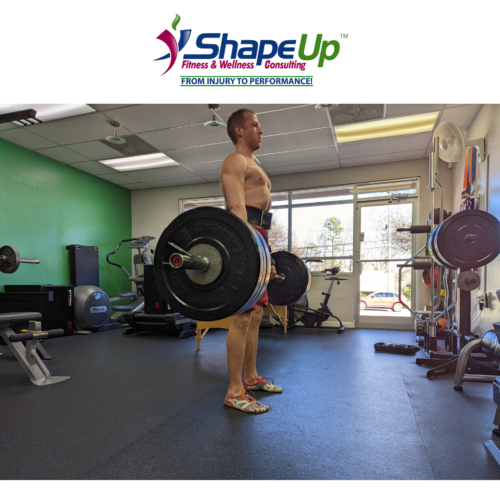
Testosterone Levels

The Role of Lifestyle in Testosterone Management

As trainers, our first line of defense is lifestyle change. Before referring clients to a medical professional for potential hormone therapy, it’s crucial to address key areas that can naturally improve testosterone levels, leading to better recovery, performance, and longevity.

Sleep:

  • Long-term sleep deprivation significantly lowers testosterone levels, reducing energy, drive, and recovery.
  • Sleep apnea, often linked to being overweight, can also suppress testosterone.

Weight Management:

  • Obesity has a profound negative effect on testosterone. Helping clients reach a healthy weight is one of the best ways to restore hormonal balance.

Nutrition:

  • Low-fat diets tend to decrease testosterone levels. Balance is key—don’t let clients cut fats too low.
  • Excessive protein intake (over 3.5g/kg body weight) may also lower testosterone, so fine-tuning their macros is essential.
  • Vitamin D deficiency is common and linked to lower testosterone, so supplementation could help.
  • Caloric restriction can increase testosterone in overweight men but have the opposite effect in men of normal weight. Tailor calorie deficits carefully.

Omega-3 fatty acids, found in fish and supplements, also seem to positively impact testosterone levels, making them a great addition to any nutrition plan.

Exercise and Testosterone: Finding the Right Balance

While we understand the importance of strength and endurance training for injury prevention and longevity, it’s essential to know how they impact testosterone and recovery in different populations.

  • Endurance Training:
    • For untrained men, endurance exercise can increase testosterone, improving energy and recovery. However, in seasoned athletes, chronic endurance training can sometimes suppress testosterone due to increased cortisol production.
    • Clients who combine endurance and resistance training will see a post-exercise testosterone spike, though long-term effects may be minimal.
    • Pro Tip: When programming, prioritize strength training before endurance work to avoid cortisol spikes that can counteract testosterone benefits.
  • Strength Training:
    • Resistance training has minimal impact on resting testosterone in older clients, but it remains vital for improving overall strength, muscle mass, and bone density, which are key to longevity.
    • Use higher intensity, compound movements to stimulate natural testosterone production and improve hormonal health in your clients.

Simplifying the Plan: A Roadmap for Trainers

Here’s how to help your clients manage their testosterone levels through lifestyle optimization:

  1. Assess and Adjust Sleep Patterns:
    Ensure clients get 7-8 hours of quality sleep. For those with sleep apnea, weight loss is essential, and referrals to sleep specialists may be necessary.
  2. Optimize Nutrition:
    • Work with clients to strike the right balance of fats and protein. Too little fat and too much protein can both negatively affect testosterone levels.
    • Ensure they’re getting enough Vitamin D and Omega-3s, and focus on calorie management to avoid extreme deficits, especially in clients of normal weight.
  3. Design Balanced Training Programs:
    • Prioritize strength training for longevity and muscle preservation, but include enough endurance work to support cardiovascular health.
    • Adjust the order and intensity of exercises to minimize cortisol spikes and maximize testosterone production.
  4. Track Progress:
    Encourage clients to monitor their progress over time, using baseline measurements (including body composition, strength, energy levels, etc.) and periodic assessments every 6-12 months. This will help gauge whether lifestyle adjustments are having the desired effect.

When to Consider Referrals for Medical Intervention

If, after a year of consistent sleep, nutrition, and exercise improvements, your client is still struggling with symptoms of low testosterone, it may be time to consult a hormone specialist. While Testosterone Replacement Therapy (TRT) can be effective, it’s important to recognize that once started, it often becomes a lifelong commitment. Encourage clients to weigh the pros and cons carefully and avoid rushing into this option without thorough lifestyle optimization first.

Personal Trainer Perspective: How I’ve Managed My Own Testosterone

I’m 47 now, and about 10 years ago I had my testosterone levels tested. My results showed average levels for my age group. At that time, I wasn’t sleeping enough (5-7 hours a night), my nutrition was okay but not optimal, and while I was training regularly, I wasn’t maximizing my potential.

By simply improving my sleep, most of my symptoms of low testosterone disappeared. Sure, I still struggle with getting enough sleep occasionally, but overall, I don’t experience any issues related to low testosterone. Could I optimize further for better training results? Absolutely. But for now, I’m satisfied with my progress.

This is an important lesson for our clients: Address the basics first. If they still experience symptoms after improving their lifestyle, then hormone therapy might be an option. But jumping into TRT without giving these changes a fair chance may lead to unnecessary lifelong treatments.

Your Client’s Journey to Longevity

As trainers, we’re in a unique position to guide clients toward better health, focusing not only on short-term performance but also long-term well-being. Optimizing sleep, nutrition, and exercise can go a long way in naturally managing testosterone levels, leading to better recovery, performance, and, most importantly, a longer, healthier life.

Remember, TRT may be a solution for some, but it should always be a last resort. Help your clients master the fundamentals before considering hormone therapy.

Coach Michael
Shape Up Fitness & Wellness Consulting

Zhu, A., Andino, J., Daignault-Newton, S., Chopra, Z., Sarma, A., & Dupree, J. (2022). What Is a Normal Testosterone Level for Young Men? Rethinking the 300 ng/dL Cutoff for Testosterone Deficiency in Men 20-44 Years Old. The Journal of Urology, 208, 1295 – 1302. https://doi.org/10.1097/JU.0000000000002928.

Cohen, J., Nassau, D., Patel, P., & Ramasamy, R. (2020). Low Testosterone in Adolescents & Young Adults. Frontiers in Endocrinology, 10. https://doi.org/10.3389/fendo.2019.00916.

Livingston, M., Kalansooriya, A., Hartland, A., Ramachandran, S., & Heald, A. (2017). Serum testosterone levels in male hypogonadism: Why and when to check—A review. International Journal of Clinical Practice, 71. https://doi.org/10.1111/ijcp.12995.

Smith, I., Salazar, I., Roychoudhury, A., & St-Onge, M. (2019). Sleep restriction and testosterone concentrations in young healthy males: randomized controlled studies of acute and chronic short sleep.. Sleep health. https://doi.org/10.1016/j.sleh.2019.07.003.

Alvarenga, T., Fernandes, G., Bittencourt, L., Tufik, S., & Andersen, M. (2022). The effects of sleep deprivation and obstructive sleep apnea syndrome on male reproductive function: a multi‐arm randomised trial. Journal of Sleep Research, 32. https://doi.org/10.1111/jsr.13664.

Su, L., Meng, Y., Zhang, S., Cao, Y., Zhu, J., Qu, H., & Jiao, Y. (2021). Association between obstructive sleep apnea and male serum testosterone: A systematic review and meta‐analysis. Andrology, 10, 223 – 231. https://doi.org/10.1111/andr.13111.

Whittaker, J., & Wu, K. (2021). Low-fat diets and testosterone in men: Systematic review and meta-analysis of intervention studies. The Journal of Steroid Biochemistry and Molecular Biology, 210. https://doi.org/10.1016/j.jsbmb.2021.105878.

Whittaker, J. (2022). High-protein diets and testosterone. Nutrition and Health, 29, 185 – 191. https://doi.org/10.1177/02601060221132922.

Moran, L., Brinkworth, G., Martin, S., Wycherley, T., Stuckey, B., Lutze, J., Clifton, P., Wittert, G., & Noakes, M. (2016). Long-Term Effects of a Randomised Controlled Trial Comparing High Protein or High Carbohydrate Weight Loss Diets on Testosterone, SHBG, Erectile and Urinary Function in Overweight and Obese Men. PLoS ONE, 11. https://doi.org/10.1371/journal.pone.0161297.

Pilz, S., Frisch, S., Koertke, H., Kuhn, J., Dreier, J., Obermayer-Pietsch, B., Wehr, E., & Zittermann, A. (2010). Effect of Vitamin D Supplementation on Testosterone Levels in Men. Hormone and Metabolic Research, 43, 223 – 225. https://doi.org/10.1055/s-0030-1269854.

Abbott, K., Burrows, T., Acharya, S., Thota, R., & Garg, M. (2020). Dietary supplementation with docosahexaenoic acid rich fish oil increases circulating levels of testosterone in overweight and obese men.. Prostaglandins, leukotrienes, and essential fatty acids, 163, 102204 . https://doi.org/10.1016/j.plefa.2020.102204.

Smith, S., Teo, S., Lopresti, A., Heritage, B., & Fairchild, T. (2021). Examining the effects of calorie restriction on testosterone concentrations in men: a systematic review and meta-analysis.. Nutrition reviews. https://doi.org/10.1093/nutrit/nuab072.

Barari, A., Ayatollahi, A., Shirali, S., Ghasemi, M., Hosseini, A., Ekrami, A., & Del, A. (2014). Effect of Endurance and Resistance Training on Parameters Related to Sexual Function in Men. Medical Laboratory Journal, 8, 47-53.

Rosa, C., Vilaça-Alves, J., Fernandes, H., Saavedra, F., Pinto, R., & Reis, V. (2015). Order Effects of Combined Strength and Endurance Training on Testosterone, Cortisol, Growth Hormone, and IGF-1 Binding Protein 3 in Concurrently Trained Men. Journal of Strength and Conditioning Research, 29, 74–79. https://doi.org/10.1519/JSC.0000000000000610.

Bell, G., Syrotuik, D., Martin, T., Burnham, R., & Quinney, H. (2000). Effect of concurrent strength and endurance training on skeletal muscle properties and hormone concentrations in humans. European Journal of Applied Physiology, 81, 418-427. https://doi.org/10.1007/s004210050063.

Küüsmaa, M., Schumann, M., Sedliak, M., Kraemer, W., Newton, R., Malinen, J., Nyman, K., Häkkinen, A., & Häkkinen, K. (2016). Effects of morning versus evening combined strength and endurance training on physical performance, muscle hypertrophy, and serum hormone concentrations.. Applied physiology, nutrition, and metabolism = Physiologie appliquee, nutrition et metabolisme, 41 12, 1285-1294 . https://doi.org/10.1139/APNM-2016-0271.

Grandys, M., Majerczak, J., Kulpa, J., Duda, K., Rychlik, U., & Zoladz, J. (2016). The importance of the training-induced decrease in basal cortisol concentration in the improvement in muscular performance in humans.. Physiological research, 65 1, 109-20 . https://doi.org/10.33549/PHYSIOLRES.933039.

Hayes, L., & Elliott, B. (2019). Short-Term Exercise Training Inconsistently Influences Basal Testosterone in Older Men: A Systematic Review and Meta-Analysis. Frontiers in Physiology, 9. https://doi.org/10.3389/fphys.2018.01878.

How to Choose the Right Personal Trainer

How to Choose the Right Personal Trainer for Injury Recovery, Longevity, and How Much You Should Expect to Pay

What Do You Need to Know When Picking a Personal Trainer?

When it comes to finding the right personal trainer — especially if you’re focused on injury prevention, recovery, or longevity—it can feel like a big decision. And trust me, I’ve seen it all in my nearly 30 years of working with clients. But the good news is that once you know what you need, it becomes a lot easier to figure out who’s the best fit.

The key is to start by understanding your goals. Are you looking to recover from an injury, regain strength, or stay active as you get older? Defining this will help you find a trainer who specializes in exactly what you need.

Common Fitness Goals for Older Adults and Those in Recovery:

  • Injury prevention and recovery
  • Improving general fitness and mobility
  • Longevity and healthspan improvement
  • Flexibility and posture enhancement
  • Strengthening for fall prevention
  • Stress relief / Mental health support
  • Chronic pain management
  • Weight loss or muscle gain tailored to age-specific needs
  • Accountability and motivation for long-term success

For many of my clients, injury recovery or maintaining mobility is the top priority. For example, one of my clients, Paul, came to me after back surgery that left him feeling weak and unsure about exercising again. He said, “I was worried that working out would make things worse.” After months of carefully structured training, Paul not only regained his strength but also felt more confident in his body than he had in years.

Why Specialization in Injury Prevention and Longevity Matters

Not all personal trainers have the experience or knowledge needed to support clients recovering from injuries or seeking to improve their health as they age. A trainer specializing in injury prevention and longevity doesn’t just focus on building muscle or losing weight—they focus on long-term health, mobility, and staying pain-free.

One of my long-time clients, Cindy, who worked with me for several years after her shoulder surgery, once told me, “Before I started training with you, I couldn’t lift my arm without feeling pain. Now, I’m back to gardening, carrying groceries, and I feel like myself again.” Stories like Cindy’s are the reason I believe so strongly in the importance of specialized training.

What to Look for in a Personal Trainer Specializing in Recovery and Longevity

  1. Certifications and Experience: While certifications are important, they aren’t the only thing that matters. Look for trainers with a proven track record in injury prevention and recovery. My approach combines almost 30 years of hands-on experience with advanced education in sports science and sports medicine, which allows me to design programs that promote healing while avoiding further injury. I’ve worked with clients of all ages, from retirees to athletes recovering from surgery, and it’s about knowing how to tailor a plan for each person.
  2. Personalization and Communication: A great trainer will personalize every aspect of your program based on your unique needs. When choosing a trainer, ask how they assess your starting point and track progress. At Shape Up Fitness & Wellness Consulting, every client gets a customized program, whether it’s for post-surgical recovery, chronic pain management, or improving flexibility. One of our clients, Linda, a 73-year-old who struggled with balance issues, shared, “Michael helped me regain my confidence. I no longer worry about falling, and I can move around the house with ease.”
  3. Trust and Openness: Trust is the foundation of any trainer-client relationship. You need to feel comfortable being honest about your pain, limitations, and what you’re hoping to achieve. And in return, your trainer should be straightforward about what’s realistic and how they can help. I had a client, Ron, who came to me after multiple failed attempts at rehabbing a knee injury. He was frustrated, and understandably so. But with clear communication and a careful approach, Ron regained strength, and as he put it, “For the first time in years, I’m moving without pain, and I finally feel hopeful again.”

Be Clear About Your Needs

When you meet with a trainer, don’t be afraid to be specific about what you’re struggling with. Whether it’s pain, a lack of motivation, or feeling uncertain about your abilities, it’s important to communicate openly. One of my clients, Diane, admitted to me early on that she struggled to stay consistent with working out. She told me, “I just didn’t feel like I could stick with it.” Now, after over a year of working together, she’s exercising regularly and says, “I feel better than I have in years, and I actually look forward to my sessions.”

It’s okay to ask for help—that’s what trainers are here for. Whether you need someone to hold you accountable or guide you through a safe recovery, the right trainer will work with you to achieve your goals.

Do You Get What You Pay For?

There’s some truth to the saying, “you get what you pay for.” If you’re paying $20 an hour, you may end up with an inexperienced trainer who isn’t equipped to handle specialized needs like injury recovery or longevity training. A qualified trainer with experience in these areas will cost more, but you’re investing in your health, mobility, and overall well-being.

At Shape Up Fitness & Wellness Consulting, we provide specialized training that goes beyond just workouts—it’s about creating a plan for long-term success. Whether it’s avoiding future injuries or making sure you stay active as you age, we’re here to help you every step of the way.

How Much Does Personal Trainer/Training Cost?

In Charlotte, NC, here’s what you can expect for personal training rates:

  • 30-minute sessions: $50–$70
  • 45-minute sessions: $65–$95
  • 60-minute sessions: $80–$110

For trainers with specializations like injury recovery, prevention, and longevity, expect to pay around 10–30% more due to the advanced qualifications required to safely guide clients through these challenges.

Investing in Your Long-Term Health

At the end of the day, investing in a specialized trainer is an investment in your future. Whether it’s recovering from an injury, improving your mobility, or simply staying active as you age, having someone who understands your unique needs makes all the difference.

One of my favorite client success stories comes from a gentleman named Frank, who came to me with chronic back pain. He had tried other programs that didn’t work for him, and he was starting to lose hope. After working together, Frank told me, “For the first time in years, I can play with my grandkids without worrying about my back. That’s priceless.”

If you’re ready to take control of your health and invest in your future, we’re here to help.


Final Thoughts

Finding the right personal trainer is about more than just workouts—it’s about finding someone who understands your unique needs and can guide you toward a healthier, more active life. Take the time to ask the right questions, look for a trainer who specializes in injury prevention and longevity, and remember, your health is always worth the investment.


Call to Action

Ready to get started? Contact Charlotte Personal Trainer today for a free consultation, and let’s work together to help you achieve your fitness goals, recover from injury, and stay active for life.

Prep for outdoor activities at Shape Up Fitness & Wellness Consulting

Workout Alternatives For The Summer In Charlotte

Working out does not always need to be in a boring gym environment. Sometimes you need to change it up, especially if you want to do something with friends and family. Charlotte has a lot of things to offer. Maybe it is time to apply the fitness you have gained with your personal trainer or a friend to some other activities. Here are some of my favorites, well some I stole from clients :-).

  1. The Whitewater Center is a great place for hiking, mountain biking, rock climbing (artificial wall), flatwater kayaking, whitewater kayaking, zip lining, canopy tours, etc. There are a host of things to do.
  2. You can kayak or paddleboard on Lake Norman
  3. Inner Peaks is a great place if you love to rock climb or would like to learn how to. This indoor facility is great not only when it rains.
  4. Various parks in Charlotte. The greenway system has been built out quite a bit. Walking, running or even hiking through some of the parks is a ton of fun but they offer much more like tennis courts, basketball courts, playgrounds, baseball, etc.
  5. Crowder’s Mountain is a great a place to hike and get a good workout if you don’t mind driving 30-45 min depending on where you live in Charlotte.
  6. Defy Gravity or Sky High are great places if you enjoy a trampoline. There is one up near University area but I am sure there are similar places in town.
  7. Theme Races are more and more up and coming. May it be the Color Run, Spartan Races or Tough Mudder, or more you can always find something that is fun and low pressure.
  8. There are also flag football leagues, soccer leagues, etc. all over town.

There are a ton of things to do in Charlotte and the surrounding area. This is just a small number of the things you can do here in Charlotte.

Now go out there and play 🙂

Michael

Get ready for the summer w/ Shape Up Fitness & Wellness Consulting

Beginner’s Summer Fitness Challenge 2015

Summer is approaching quickly and with it the sought after goal to look great in a bathing suit or bikini. Maybe you just want to be healthier than you are now. This Summer’s Fitness Challenge is designed to gradually increase your workout regimen and improve on your eating habits. It is a gradual approach and not a quick fix. By the end of summer you should see huge improvements in your overall fitness levels.

Beginner to Fitness

Each week we will add a a little bit to your routine. Keep doing what you have been doing and substitute or replace as required by the weekly suggestion. The video demonstrates all the exercises of this Summer Fitness Challenge:

Week 1

  • Every day: Walk 10 min a day at a brisk pace
  • Every day: Include veggies with lunch & dinner
  • Every two days: 2×10 bodyweight squats, 2×10 (modified) push ups, 2×15 band rows (attach to stair rail, etc. )

Week 2 

  • Increase your daily walk to 15 min a day
  • Start including proteins into your three major meals: pork, fish, beef, poultry, eggs, yogurt, cottage cheese, greek yogurt, etc.
  • Add 2×20 jumping jacks (or modified jumping jacks) +2x30s plank on knees or balls of feet

Week 3

  • Download a HIIT timer (high intensity intervals) to your phone. Set it to 30s on and 60s rest. Increase your speed for the 30s and walk as before during the rest phase. Stay with 15 min total. Do this every 2nd day while walking your regular 15 min every other day.
  • Decrease one of your vices (soda, diet soda, alcoholic beverages) by adding 16-20 oz of water in between drinks
  • Increase all of your sets by one (doing 3 instead of 2) for two of your strength training routines during the week

Week 4

  • Increase your pace during the intervals. If you cannot do that because of joint issues, take some hand weights with your or use nordic walking sticks.
  • Eat only until you are 80% full. Good gauge: after 1 hour of eating = not hungry, after 2 hours of eating = could eat some, after 3 hours of eating = hungry, after 4 hours of eating = starving.
  • Add 3x30s of dead bug (ab exercise) to your strength regimen

Week 5 

  • Increase your walking duration on non interval days by 5 min
  • If you sleep less than 6.5 hours, schedule a nap or go to bed 15-30 min earlier
  • Add one more set to all of your strength exercises.

This is a 5 week program. within 5 weeks you will make huge changes in your lifestyle without thinking that it is not accomplishable. You will notice an increased energy level, decreased body fat and you will definitely be overall fitter.

If you prefer a customized fitness transformation please contact us at Shape Up Fitness & Wellness Consulting

Have a fit & healthy day,

Michael

6 Reasons Why Women Should Lift Heavy!

Strong is the new beautiful

Lifting heavy weights is often connected with women and some men to be afraid to get big. Like I posted in my article Battle of the Bulge getting big is very difficult for women. If a woman strives to be a female bodybuilder, by natural means that is, then she needs to lift about 5-6 days a week. Even then she will still look like a woman

That does not mean that lifting heavy does not have positive effects:

  1. Strong Lean Muscle:  Don’t underestimate the toned look you can get from lifting heavy weight. The best example are bikini competitors. They lift heavy, really heavy. 3-5 reps per set is normal. Side benefit: Even though you build lean muscle, the building stimulus is not nearly as big as with 8-12 repetitions. So, if you are satisfied with your muscle mass, then why not get incredibly strong?
  2. Metabolic Boost: Improving your body fat percentage, even while staying at the same weight, boosts your metabolic rate. You can eat more without gaining body fat, or you will shed some unwanted pounds of fat.
  3. Bone Density: Research in the past decades again and again has shown that weight training ( I am not referring to 2 lb dbs) can have a positive impact on our bone density. If you are at risk because of your family history or because of your body type then picking up some weights can help reduce your risk for osteopenia and osteoporosis.
  4. Being incredibly strong: Women often have the reputation of being physically weak, when that is really not true. Yes, a man of your weight and statue will probably be stronger, if he has the same training level. That does not mean that you cannot be powerful and strong yourself without looking like a guy! Take charge and feel empowered!
  5. Be beautiful inside out: Beauty is in the eye of the beholder but someone who takes care of herself will radiate more self confidence. Physical strength and fitness can translate into you feeling more in charge in other areas of your life.
  6. Reduce pain: Joints that are stabilized by strong muscles work more smoothly and often cause less pain. You might even be able to eliminate pain altogether. One of my clients was told that she needed knee replacement in both knees. That was ten years ago. Guess what, she still does not have a replacement!

If you are looking to get in shape and get back on track, check out our specials: Monthly Specials Start Up Specials

Have a fantastic day,

Michael

Lifting Weights And Wondering Why You Are Still Looking The Same?

7 Common Mistakes When Picking Up Weight Training.

  1. You don’t have a clear goal: No matter what you want to accomplish you have to have a clear goal. You might want to lose body fat, gain lean muscle mass, or improve strength & power. You have to decide on what you want to accomplish. Not all goals are mutually exclusive but they also may not be optimal together. Your training needs to be clearly structured based on your goals!

    Middle aged woman squatting with kettlebell
    Strain without Gain?
  2. You have Workout ADHD. You are changing everything every time, you see a new exercise you will incorporate it, you do 60 push ups and then decide to train power the next day. You change everything, every time. You don’t give your body enough time to improve at something. Stick with a program for 6-8 weeks before you change it and you will be surprised by the results.
  3. You are TOO resistant to change. You are the person who lifts the same weight, uses the same machine, the same routine, the same reps for months, years and decades. This person has the opposite problem of  #2. Your body has gotten so used to the training, it does not provide a stimulus for change anymore.
  4. You think Progressive Overload has to do with a truck weigh in. In all seriousness, you need to actually try to lift more weight every time you train. It does not mean you will succeed, but at least try. If you are within 90% of your capacity you will still see improvements for a while but you need to try to push the limits up. I might just go up by 1-2 lbs. If I did that every week I would increase my weight pushed or pulled by 50-100 lbs a year. Obviously it is not possible every week, but the emphasis is on try!
  5. You think FORM only applies to dancers. If someone watches you lift it should look like they could put it into a book or make an educational video of it (and not as a bad example). If you get hurt during lifting, you will have to take a break, unless you want to break. That break then will negate all the hard work you have done prior to your injury.
  6. You think Nutrition is for Meatheads and Alternative Rabbit Food Eaters: Well, since you are literally what you eat, food matters. You don’t have to become a food nazi but having high quality foods provides you with the protein, carbs, fats and micronutrients you need in order to build quality muscle tissue, repair cell damage done during your training and let’s you progress. Get back to cooking your food yourself, by veggies, high quality meats, poultry, fish, fruits, etc and see the difference it can make. (You have to eat it too, don’t just buy it)
  7. You think sleep and rest is for the weak. You have bought into the belief that it is almost womanly or manly if you sleep little, work a lot and pretend like it does not affect you. Rest and sleep let’s you get stronger after your hard workouts. It allows cell repair, hormones to reset, and your body to find a balance between anabolic and catabolic processes.

If you are struggling, or standing still in your training then look at those 7 factors above, and be honest about it. How much of it are you applying to yourself. Just one of those factors not lined up may hinder you from getting your new PR or inhibit your progress.

If you have any questions about your training, feel free to get in touch with me or one of my trainers, or leave a comment.

Have an inspiring day!

Michael


What You Need to Know About Your Fitness Success?

Good personal trainers don’t just randomly pick a training routine for their clients, or just make stuff up at moments notice and switch it around every time they see their client. Today’s post is about your training plan. You need to create a plan, execute the plan and change the plan according to your goals!Fitness woman with dumbbell

Plan Your Training

Very few people care about training, they care about results, but not about the actual training plan. That is where we health nuts and fitness professionals come into play (also called personal trainers, coaches, etc.). So if you don’t have a trainer are you lost on your journey? No, because I am going to give you some tips that can help get some more structure into your training. You have to ask yourself the following questions:

  1. What are your goals?
  2. How much time are you willing to commit to those goals realistically?
  3. What are your challenges?

Putting It Together

I can write a whole book about training planning but I will try to keep it short and to the point. Every training plan should be changed after about 4 weeks. You always seek to improve your weight lifted, or resistance used.

Weight (Fat) Loss

If you are trying to lose weight this is for you:

  1. Lift weights 2-3 days a week for at least 30-45 min (excluding chatting with a friend a the gym)
    1. Sets: 2-4 work sets depending on experience
    2. Repetitions: 5-12 to build some muscle mass
    3. Active rest intervals about 60-90s depending on complexity of movements
    4. Option 1: active rest intervals filled with mobility, stability drills or just simply resting
    5. Option 2: active rest intervals filled with cardiovascular elements reduces resting, speeds up fatigue onset
  2. HIIT
    1. Intervals of 20s-4 min length with active rest intervals (easy walking, etc.) of 30s to 2 min. The longer the recovery is the more you go back to baseline. Interval samples would be: 1 min/2 min RI, 30s/60s RI, 2 min/1 min RI, etc. You would do anywhere from 4-10 sets depending on fitness level. The longer the intervals the less sets usually. HIIT should be done after about 30 min including warm up and cooldown.

Muscle Gain

  1. Resistance Training 3-4 (5) days/week for at least 30-45 min (preferably 60-75 min). Again this does not include hours of chatting with others.
    1. 2-4 work sets depending on experience
    2. Depending on experience lift 5-10 repetitions. Some power exercises at the beginning of the training can be beneficial for muscle fiber recruitment.
    3. active rest intervals about 90-180s depending on complexity of movements
    4. Active rest intervals filled with mobility, stability drills or just simply resting
  2. Cardiovascular Training is optional other than for health benefits. Too much can reduce the effect of the training (keep to <35 min) and it should never be done prior to the lifting if done at the same day.

Sport Specific Training

  1. Resistance Training is very dependent on the sport as well as the season. The advice given above is already very general. Each sport has concrete demands in regards to power, strength, conditioning and mobility. It would go too far to dive deeply into all of the various sports in this blog post.

Executing Your Plan

Well, a good plan is worth not even the paper or computer it is written on if it is not applied. Don’t fret if you miss a training session. Consistency is the key. If you get in 85-90% of your training, you are golden. Performance changes on a daily basis. On some days you will be able to lift more, be faster, last longer than others. Again if you are in the 85-90% capacity level of your performance you will see improvements. Know when to take a break! No matter how well developed a training plan is, you might find yourself fatigued and not motivated. Taking a day or two break will probably save you from injury and overtraining. A training that lasts 2 hours or longer is rarely worth it. Fatigue at this point has reached a critical level. The risk for injury rises. Train smarter not harder or longer!

Changing Your Plan

Your training should be changed on a frequent basis. Your changes should be based on what you have been doing in your previous training, follow progressions and regressions of your exercises and modalities, and ultimately should be oriented towards your goals. Changing your plan should include exercises, sets, repetitions, rest intervals, etc.   I hope this article has been helpful. Please let me know if you have any questions, I would love to help.   Michael

5 Steps to Transforming Your Lifts Into Greatness

A personal trainer’s rant about technique

I am male personal trainer, which in return means I have an ego when it comes to lifting weights. I like to lift heavy and I want to get better every day. Now, I am not a bodybuilder, I run too much and have a more ectomorph bodytype but I am a multi-discipline athlete who lifts weights 4 days a week, runs 3 days a week and does martial arts 3-4 days a week.[video_player type=”youtube” youtube_auto_play=”Y” youtube_remove_logo=”Y” width=”360″ height=”180″ align=”right” margin_top=”2″ margin_bottom=”20″ border_size=”2″]aHR0cHM6Ly93d3cueW91dHViZS5jb20vd2F0Y2g/dj1QTlpNUlM2cG5xSQ==[/video_player]

I am definitely competitive but what I have seen in gyms, especially under the guidance of “so called personal trainers” is terrible. They have people do “butt to the floor” squats and their client’s form falls apart. A deadlift is performed with no regards to form, and what some people consider a chin up or a pull up I call wildly swinging from a bar and getting up with no regards to shoulder stability and lower back issues. I have included a short two minute video for your amusement. The video of one of our clients below is an example on how to do the same exercise correctly: [video_player type=”youtube” youtube_auto_play=”Y” width=”320″ height=”180″ align=”right” margin_top=”3″ margin_bottom=”20″ border_size=”3″]aHR0cHM6Ly93d3cueW91dHViZS5jb20vd2F0Y2g/dj1xQmJoLUh4N1NNNA==[/video_player]

The forgiving body

When you are younger you can get away with a lot of that crap for quite a while before payback comes and hits you square in the head. What is our primary goal as personal trainers or athletes?

Health. Without it I cannot reach my other goals. As a trainer I am responsible for the person in my care. If I want that person to work out for the rest of her/his life, I have to make sure that the body stays healthy!

There is no point in having a personal record one week when the pain resulting from it puts me or my client out of commission for two weeks or longer.

5 Action Steps To Lifelong Performance

  1. Learn a movement first before you start loading it up. Use a coach or a reputable personal trainer. It does not matter if we talk about lifting weights, running, swimming, or golf. You need to have the necessary skill set.
  2. Use a spotter frequently and have them tape you. Compare your form with athletes that know what they are doing.
  3. Instead of muscle failure go for technical failure. The moment you cannot do a squat, bench press, push up, etc. with good form your muscles have failed even though you might be able to muscle the weight up.
  4. Pain is your body’s signal that something is wrong. You should not be in pain, not during a workout or afterward. You might be sore but pain should never be the case. If you have pain you did something wrong, or your body is structurally not made to perform this particular exercise especially if you have a pre-existing medical history.
  5. Reality check –  I am working out alone. I often don’t have a spotter. Each training I am asking myself: Am I doing this correctly? Do I use the correct form, full range of movement? Am I taking shortcuts in order to lift heavier, run further or faster? Sometimes that answer is yes! I go down in weight (A real woman or man is capable of going down in weight!), distance or speed. I have to readjust and work on my technique again.

I hope these 5 tips will help you be the best you can be in your training! I want you to perform at your best, so you can be your best!

Let me know if you need help with your weight training,


Michael


Rob’s Fitness Success Story

This is Rob Wilder’s story. He has been working with me for about 8 years he has had some extraordinary successes. He is healthier and fitter than he has ever been. Rob Wilder Head

How It Started

He had been training on his own when Rob’s wife Annelle had suggested to her husband that he might be able to improve his training with a personal trainer.

The Setup

Rob, already a fitness aficionado, used to be an avid golfer but had hurt his back in the process. Since then he had started lifting weights regularly, reading up on fitness, strength training, and nutrition and was well versed in the topics by now. After meeting me he agreed that setting him up on a training plan every couple of weeks would be beneficial to optimize his already impressive training regimen.

The Increase

After working together like this for a couple of months Rob decided that more one on one personal training would be beneficial to maximize his results and make sure he was doing the exercises correctly. He started working with me one time a week and slowly increased it over the years. Today we are working together 4 days a week. The training is intense but we keep it fun. Besides having become friends, Rob has accomplished things he never thought possible.

The Challenge

Rob is highly intelligent and he has challenged me as a trainer on more than one occasion. He would come with articles, books, you name it. His understanding of training exceeds far that of the average person and more than once challenged me to read up more about a topic. His dedication to fitness and willingness to try new things, pushing the envelope not only have made him a better athlete, fitter person and overall healthier but it has also made me a better trainer. He has reminded me why I am doing this: my passion to help others be their best.

The Success(es)

The successes that have accompanied Rob’s training are numerous and can be attributed to his willingness to give his best and tenacity. He has lost more than 21 lbs. of body fat since the start, and has done 21 chin ups in a row. Over time our focus has shifted. We started paying more attention to max strength. Big lifts like deadlifts, squats, chin ups with added weight, and bench pressing with few repetitions entered the arena. Just last week he did step ups on a box with 120 lbs. added weight and deadlifted from a low rack position with 300 lbs. That is more than any our clients have ever accomplished and the man is 65 years old!

The Dedication

Rob has a dedication to training and healthy living that is matched by few people. We work year round 4 times a week with each other and when I take a week off to go on vacation you can be sure he works with another of my excellent trainers.

Aside from some minor injuries here and there (pulled muscle, etc.) his training has been injury free and his back that used to bother him is not an issue anymore.

It clearly shows what someone can accomplish if they put their mind to it and when they are passionate about it and all in.

Rob is not just fit for his age, he is fit for any age! He is stronger and has a better endurance than about 95% of the male population in the US. Age is not as much a factor as people like to sometimes think!


If you need help with your training or if you like to see what your potential is,  give me a shout. The only difference between average and extraordinary is believing and working for it. Everyone can do it!

WordPress Tags: Annelle,husband,trainer,Setup,aficionado,weights,strength,nutrition,topics,regimen,Enter,caption,Increase,Besides,Challenge,person,topic,dedication,envelope,athlete,passion,chin,Over,attention,bench,repetitions,arena,Just,clients,vacation,trainers,Aside,injuries,muscle,injury,endurance,population,factor,difference,week

Tired of Training?

First of all I apologize for not posting for so long. We had some issues with the website host but it finally was resolved.

In personal training we don’t see people getting tired of training nearly as much as when people work out by themselves. Because we as trainers often have odd hours our training is primarily solo and we do experience workout fatigue occasionally. The motivation is dropping, we might want to skip workouts and consequently the nutrition has a tendency to fall of the wagon.
Sometimes my personal trainers and I get asked: “How do you stay motivated?” The solution to that consists of several factors.

Weight Training


  1. Scale your training – Don’t always go all out, some days need to be easier, take the time to smell the roses, so to speak. Your body cannot take 100% all the time. 
  2. Pamper as hard as you work – If we work hard we pamper our bodies as well. Take a nap in the afternoon, have a massage, enjoy a long hot shower, soak your feet, you name it. Your body deserves it.
  3. Log your workouts: Some of us log their workouts social media websites like Fitocracy designed for it. It keeps us accountable.
  4. Socialize with like-minded people – If you don’t have friends who are into fitness, above mentioned social media websites can provide you with a network that supports you in your quest for fitness.
  5. If you like running, go do running events, even if it is just for fun, if you like lifting maybe check out a bodybuilding event. It really is a motivation boost to be among others who have the same goals. You get the idea.
  6. Talk about it – Talk shop to others about it, you might learn something and you keep your motivation up.
  7. Find the right environment – If you seriously like to lift weights the YMCA might not be for you but if you like the social atmosphere then maybe it is. You need to find the environment that keeps you happy that supports who you are.
  8. Train with a trainer – Haha, you think I am promoting myself? I guess I kind of am, but listen to this most of our clients have been with us for years (up to 8 years) whereas most people give up exercise after two months!
  9. Use exercise as a way of reinventing yourself! If you are overweight, imagine the skinnier you. If you feel like you are weak, imagine you being athletic.

These are just a few ways that can help you with your training.

Let me know if we can help you,

Michael


Seraphinite AcceleratorOptimized by Seraphinite Accelerator
Turns on site high speed to be attractive for people and search engines.